
Author and Global Affairs Commentator
The Clock Is Ticking for Tehran
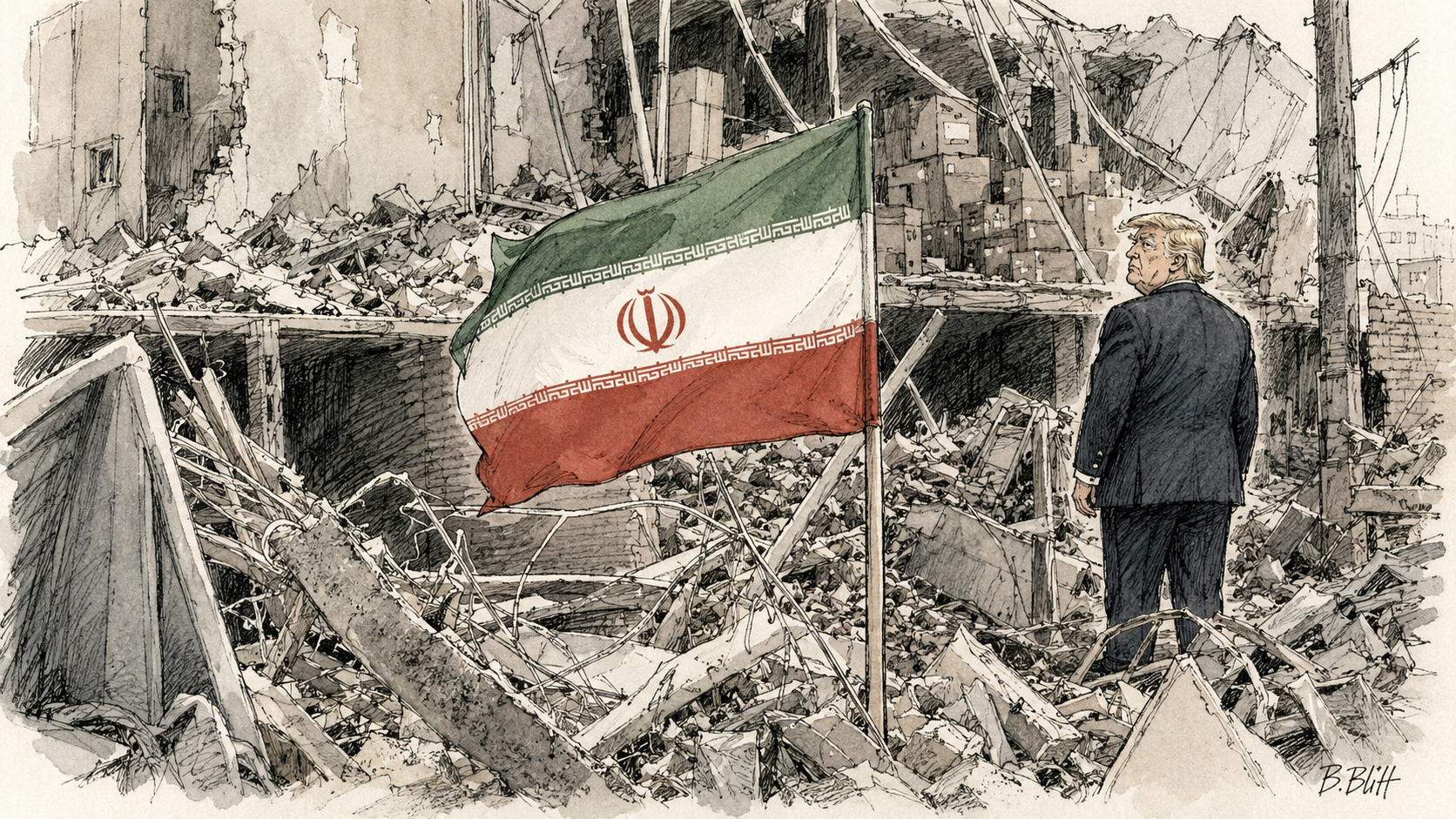
The war has inflicted heavy costs across the Middle East, but nowhere more so than inside the Islamic Republic.
After months of fighting, Iran’s military and economy are under intense strain. Yet lasting victory will depend not only on battlefield gains, but on whether Tehran concludes that continued confrontation has become unsustainable.
Iran Faces a Strategic Reckoning
Nearly five months into the conflict, the balance of power has shifted decisively against Iran. The war has inflicted heavy costs across the Middle East, but nowhere more so than inside the Islamic Republic, where military losses, economic collapse, and mounting international isolation have dramatically weakened the regime’s position.
The United States has lost fewer than 20 service members, while hundreds have been wounded. Israel and several Gulf allies have also suffered casualties and infrastructure damage. Iran, however, has borne the overwhelming burden. Thousands of its military personnel have reportedly been killed, critical infrastructure has been severely damaged, and its conventional armed forces have been significantly degraded.
Perhaps the most consequential change has been the restoration of deterrence. After sustained Israeli and American military operations, Tehran has sharply reduced direct attacks on Israel, reflecting growing concern over the consequences of further escalation. The challenge now is extending that deterrence to attacks on U.S. forces, regional partners, and commercial shipping.
Iran’s political leadership appears increasingly dominated by the Islamic Revolutionary Guard Corps following the deaths of senior officials at the outset of the conflict. Civilian leaders remain publicly visible but appear to wield limited influence as military commanders oversee both the war effort and domestic security.
Economically, the pressure is equally severe. The Iranian currency has continued to depreciate, oil exports remain heavily constrained by U.S. naval enforcement, and sanctions have compounded the country’s financial crisis. Even if hostilities were to end soon, rebuilding would likely take years.
The military campaign has also fundamentally altered Iran’s nuclear ambitions. Much of its known nuclear infrastructure has reportedly been destroyed, pushing any potential weapons capability significantly further into the future, even if questions remain about deeply buried facilities.
Despite ongoing disruptions in the Strait of Hormuz, global energy markets have proven more resilient than many anticipated. Alternative shipping routes, expanded production elsewhere, and regional pipeline networks have prevented the sustained oil price shock that many analysts feared.
Washington now faces a strategic choice. It can continue its current campaign of military pressure and economic isolation or broaden the target set to include additional infrastructure supporting Iran’s military capabilities. Each Iranian attack on U.S. personnel has been met with increasingly forceful retaliation, reinforcing a strategy built on deterrence rather than occupation.
History offers an instructive precedent. In 1988, Ayatollah Ruhollah Khomeini accepted a ceasefire with Iraq after concluding that prolonging the war threatened the survival of the Islamic Republic itself. Today’s leadership may eventually confront a similar calculation as military losses accumulate and economic conditions deteriorate.
A ceasefire remains possible, but only if Tehran abandons attacks on international shipping and accepts meaningful oversight of its remaining nuclear facilities. Until then, the conflict is likely to remain one of attrition rather than rapid escalation.
For the United States, the objective extends beyond battlefield success. Lasting victory would mean securing freedom of navigation, preventing Iran from rebuilding its military capabilities, and reducing the regime’s ability to threaten its neighbors through conventional forces or regional proxies.
The conflict has already imposed immense human and economic costs on all sides. Every additional casualty raises the urgency of finding an end. Yet wars conclude only when both parties judge the price of continuing to be greater than the cost of compromise. Whether Iran’s leadership has reached that conclusion remains the defining question.
Related Topics
Related Posts