
Being near Torah is not the same as standing at Sinai
Shavuot arrives each year with a radical proposition: that wisdom is not simply acquired, but encountered. The holiday commemorates revelation at Sinai, not as an abstract historical event, but as a model for how human beings engage with sacred knowledge.
Torah, in the Jewish tradition, is not information to be downloaded. It is a covenantal relationship. That distinction feels increasingly urgent in the age of artificial intelligence (AI).
Nechama Leibowitz z”l, in Studies in Shemot, notes that the preparation at Sinai was not merely logistical. It was spiritual and psychological. The external acts of washing and waiting reflected an inner process: revelation demands attentiveness. Torah cannot simply be consumed; it requires presence, discipline, and humility. Sinai was not a spectacle for passive observers. It was a covenantal encounter that required the people themselves to participate. (Nechama Leibowitz, Studies in Shemot/Exodus, commentary to Exodus 19.) That insight lands differently in 2026 than it did decades ago.
We now live in a world saturated with information and distraction. Information is abundant; attention is scarce. We can access libraries of Jewish texts from our phones, listen to Torah while commuting, and ask AI tools to summarize centuries of commentary in seconds. Entire tractates of Talmud can be searched in moments. A person with little formal Jewish education can instantly locate sources that once required years of training or privileged access to elite institutions.
There is something genuinely democratizing about this. As an Orthodox feminist and rabbi, I do not dismiss the revolutionary power of expanded access to Torah. Digital tools have opened doors for countless people historically excluded from advanced Jewish learning, including women. Search engines, online archives, podcasts, Sefaria, the Posen Library and now AI have helped create a generation of Jews who “search before they ask.” That is not inherently a bad thing. Curiosity, access and literacy all matter. But accessibility is not the same thing as revelation, and being near Torah is not the same as standing at Sinai.
Jews are often called the “People of the Book,” but that phrase was never meant to describe passive ownership of books or proximity to texts. It describes a civilization shaped by study, argument, memory, interpretation, and obligation. To be the People of the Book means we are meant to engage the books: to wrestle with them, challenge them, annotate them, teach them to our children, and allow ourselves to be shaped by them, and when necessary, to make sure they are not used as a cudgel. Torah is not decorative, it is relational.
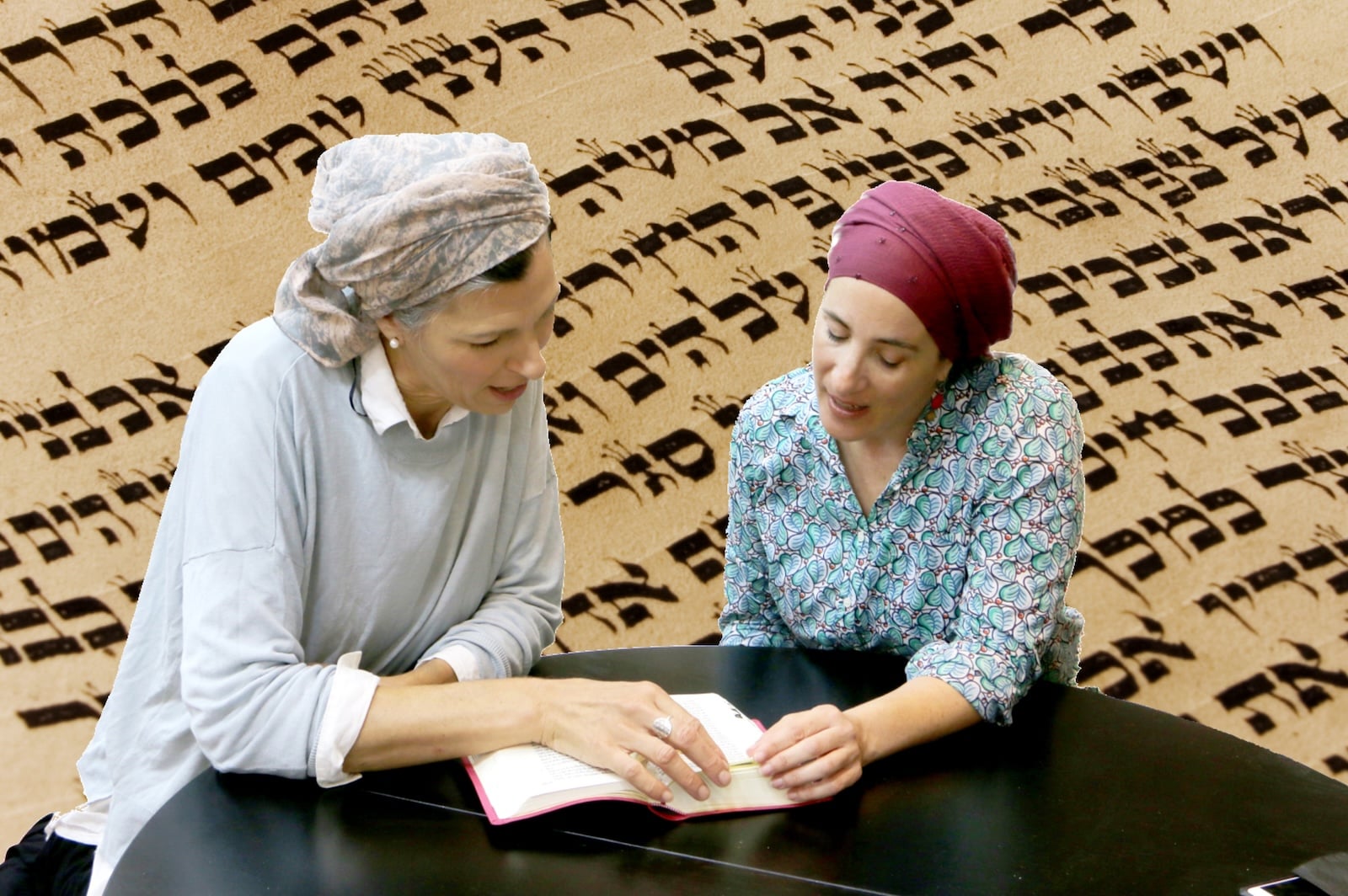
AI can summarize a page of Talmud. It cannot replicate the transformation that comes from wrestling with it. It can explain a halakhic argument. It cannot model the humility of sitting before a teacher, a chevruta (study partner), or a sacred text and recognizing that wisdom demands something of you in return. AI can generate answers at astonishing speed, but Torah has never measured success by efficiency. In fact, Judaism often insists on the opposite.
Shabbat interrupts productivity, kashrut slows consumption and prayer requires regularity and intention. Torah study itself traditionally unfolds through argument, repetition, confusion, and patience. Jewish learning is not optimized for frictionless convenience because covenantal life is meant to shape character and community, not merely to transfer data.
As Rabbi Lord Jonathan Sacks, z”l wrote in Radical Then, Radical Now, “Judaism is the conversation between the generations.” Torah is not simply content. It is transmission. It lives not only in books but in relationships, communities, and obligations. The danger of AI is not that machines will become rabbis. The danger is that human beings will begin to mistake information for wisdom and efficiency for understanding.
This is not an argument against technology. I use AI myself. I believe these tools can deepen learning, broaden participation, and help people enter conversations that once felt inaccessible. But we should resist the temptation to confuse technological proximity to Torah with spiritual encounter.
At Sinai, the Israelites did not receive a PDF. They entered a covenant. Shavuot reminds us that revelation requires more than access. It requires attention, presence, responsibility and humility. It requires the willingness to be present enough to be changed. And perhaps that is the challenge of this moment: not whether AI can teach us Torah, but whether we still possess the patience, discipline, and seriousness to receive it.