
The dilemma of Jewish liberal philanthropists
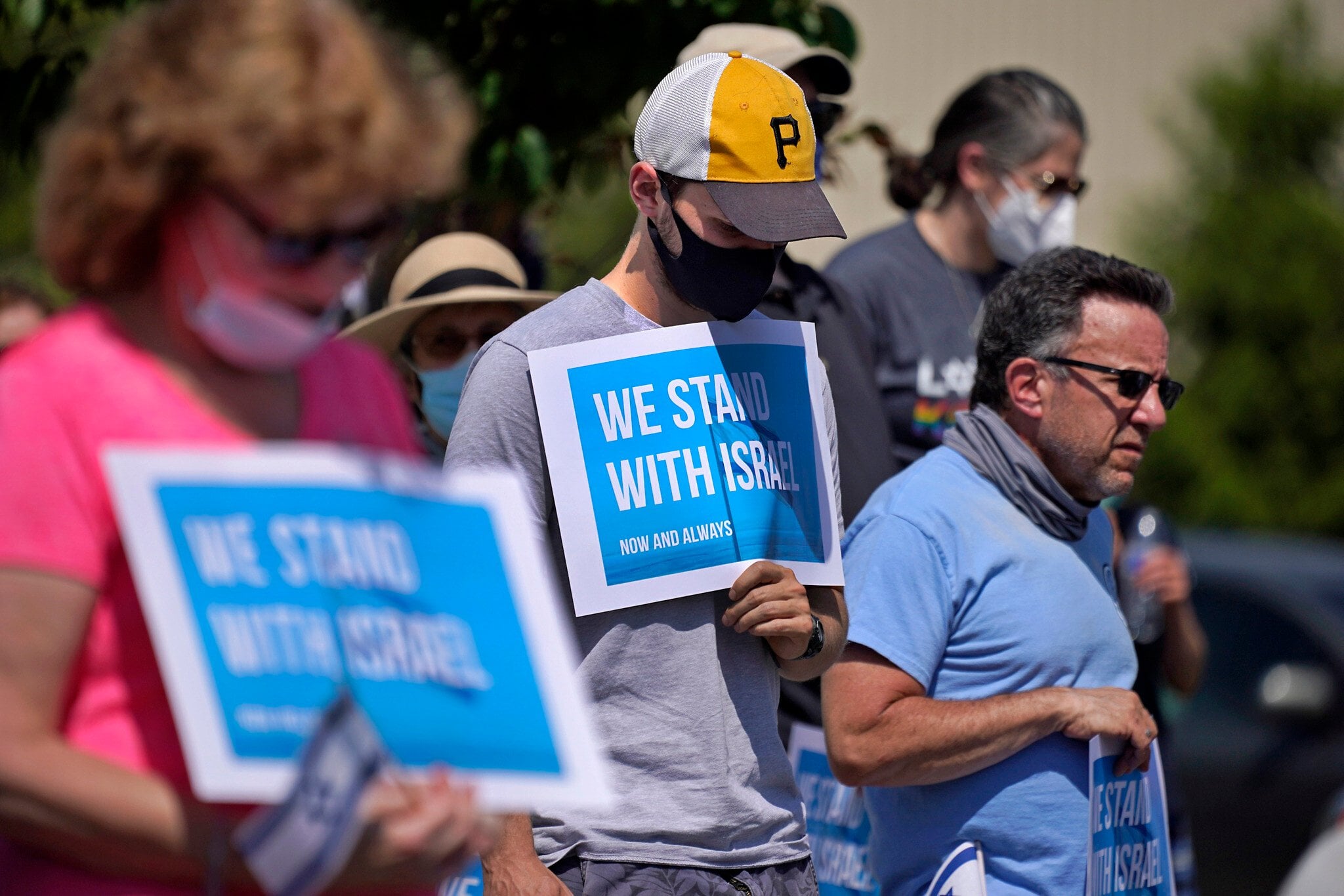
Jewish intellectuals in the West now face a uniquely complex reality, argues sociologist Eva Illouz in her poignant post-October 7th reflection (We Cannot Choose Between the Fight Against Antisemitism and Condemning Israel for Gaza, Haaretz, August 8, 2025). On one hand, they see a frightening rise of antisemitism emerging from within the very liberal, democratic movements they often identify with. On the other hand, they see a government in Israel – a state that was built with the understanding of the need to represent and protect Jewish liberal identity – acting in anti-liberal and anti-humanistic ways and causing immense suffering. They are placed in a moral double-bind, unable to fully align with either side without betraying a core part of their values or identity.
The dual moral dilemma faced by Jewish intellectuals is shared by a particular type of leaders, whom I know very well: Jewish philanthropists in the diaspora. I spent the summer in New York working with Jewish philanthropists who are wrestling with their identities as Jews, Zionists, and liberal humanists, three concepts that for decades have been the core of their individual and communal identity – now being pulled apart by the events of our time.
They, too, must contend with the unsettling reality where, as Illouz sharply illustrates, “antisemitism as an irrational force driving human affairs comes from within the ranks of its seemingly most democratic activists.” And yet, like Jewish intellectuals, when Jewish liberal philanthropists turn their gaze to Israel, they are met with another, equally painful reality. They find “a government that believes God is personally involved in its anti-democratic decisions,” which prefers force over diplomacy, and seems to have abandoned the foundational idea of Israel as a liberal democratic state.
Put bluntly, it seems as though these Jewish philanthropists must choose which values to prioritize. To which group should they pledge their loyalty (and money): the global antisemitic left or the Israeli anti-democratic far-right?

Many Jewish philanthropists are devoted to their Jewish-Zionist identity. They believe the strength of their community is intrinsically linked to the strength of the State of Israel, the national Jewish homeland created to protect the most persecuted minority in history. Yet, as members of this persecuted minority, Jewish philanthropists are also devoted to their liberal identity. They commit themselves to promoting universal liberal principles, creating a just and equal society, and strengthening the ideals of humanism, solidarity, and pluralism. Their liberal identity is both universal and Zionist.
For so long, these two identities were seen as harmonious, not contradictory. But today, they are forced into a painful confrontation: Can a person safely hold a Jewish and Zionist identity alongside a liberal one? And if so, how can this dual identity be expressed through one’s philanthropy?
A Framework for Pluralism and Discovery
Rob Reich, in his book Just Giving, offers an interesting framework for this defining moment. He argues that philanthropy’s dual role in a liberal democracy is to protect pluralism and foster discovery. By protecting pluralism, he suggests, philanthropists enable a diversity of opinions and approaches that help societies overcome the limitations of government orthodoxy: the natural outcome of short-term political power.
By fostering discovery, philanthropists secure long-term investments in policy development and innovation that counter short-term political power. Reich argues that it is within this framework that philanthropy can truly promote and secure justice and freedom over time despite political limitations and changes.
This framework is a powerful tool for Jewish philanthropists. When they see Israel struggling with anti-liberal forces, they must ask themselves: “How can I secure the liberal identity of the Jewish state that reflects my own identity?” They must follow a dual approach, embracing both pluralism and discovery.
In terms of pluralism, they can use their philanthropy to foster a discourse that is neither binary nor simplistic. They can invest in organizations and initiatives that acknowledge Israel’s diverse sectors, identities, religions, and minorities and strengthen the liberal and respectful aspects of the Jewish state. The pluralistic approach can challenge the prevalent perception in Israel and beyond that Jewish identity is monolithic and one-dimensional.
In terms of discovery, they can ask, “What long-term investments can I make to overcome the current and, frankly, eternal limitations of the political discourse?” This requires a willingness to challenge outdated ideas and enhance our moral imagination. This is not about funding quick fixes, but about supporting a courageous, long-term strategy to help both the Israeli public and the Jewish diaspora articulate a new vision rooted in democracy and peace. They must work toward a vision that honestly confronts both the devastation in Gaza and the internal threats to Israel’s democratic soul.
Jewish philanthropists, like Jewish intellectuals, cannot turn away from the deeply alarming realities of antisemitism in Western societies. Illouz reminds us that we cannot enjoy a clear-cut either/or binary: either support Israel or support the Palestinians. Moral clarity requires us to hold two truths: we must fight antisemitism while keeping Israel accountable. A comprehensive and sustainable solution demands that we first recognize the responsibilities of all parties—Israel, the Palestinians, Arab states, and the international community.
For Jewish philanthropists, this can translate into distinct missions for their philanthropy:
In the diaspora, they can:
- Strengthen local Jewish resilience by funding education, culture, and leadership initiatives that can counter antisemitism and delegitimization with confidence.
- Shape local public discourse by investing in nuanced voices in media, academia, and civic spaces to resist polarization and offer a more complex understanding of the issues.
- Model fairness and pluralism by using philanthropy to demonstrate that the Jewish community defends democracy, rejects double standards, and promotes empathy across communities.
And in relation to Israel – a set of basic guidelines may help prioritize investments:
- Hold complexity by avoiding “either/or” funding: accepting Israel’s urgent needs for rehabilitation and ongoing security, while simultaneously insisting that these needs are not met at the cost of its liberal and democratic values.
- Model nuance by funding initiatives that insist on intellectual honesty and fairness, even when it is uncomfortable.
- Empower civil society by investing in Israeli civil society organizations working toward democracy, pluralism, and peaceful coexistence.
In this deeply painful and polarized moment, Jewish philanthropists are called to a unique form of leadership. They are not asked to abandon one truth for another, but to hold two truths simultaneously. While embracing their leadership role in their communities, it is also important to remember (always, but especially in such times of moral discomfort) that no single philanthropic contribution can send a strong enough message or have a powerful enough impact on its own.
Moreover, no individual philanthropist can realistically stand alone against the rising hate, fear, and populist propaganda. This work requires a collective effort. Like-minded liberal leaders and philanthropists will benefit from forming coalitions to amplify their voices and their impact. This is not just a call for financial collaboration, but for a shared moral imagination to build a more just, resilient, and pluralistic future for both Israel and the Jewish diaspora.