
CEO of Time to Stand Up for Israel
The Forgotten Refugees: The Truth Behind the Nakba
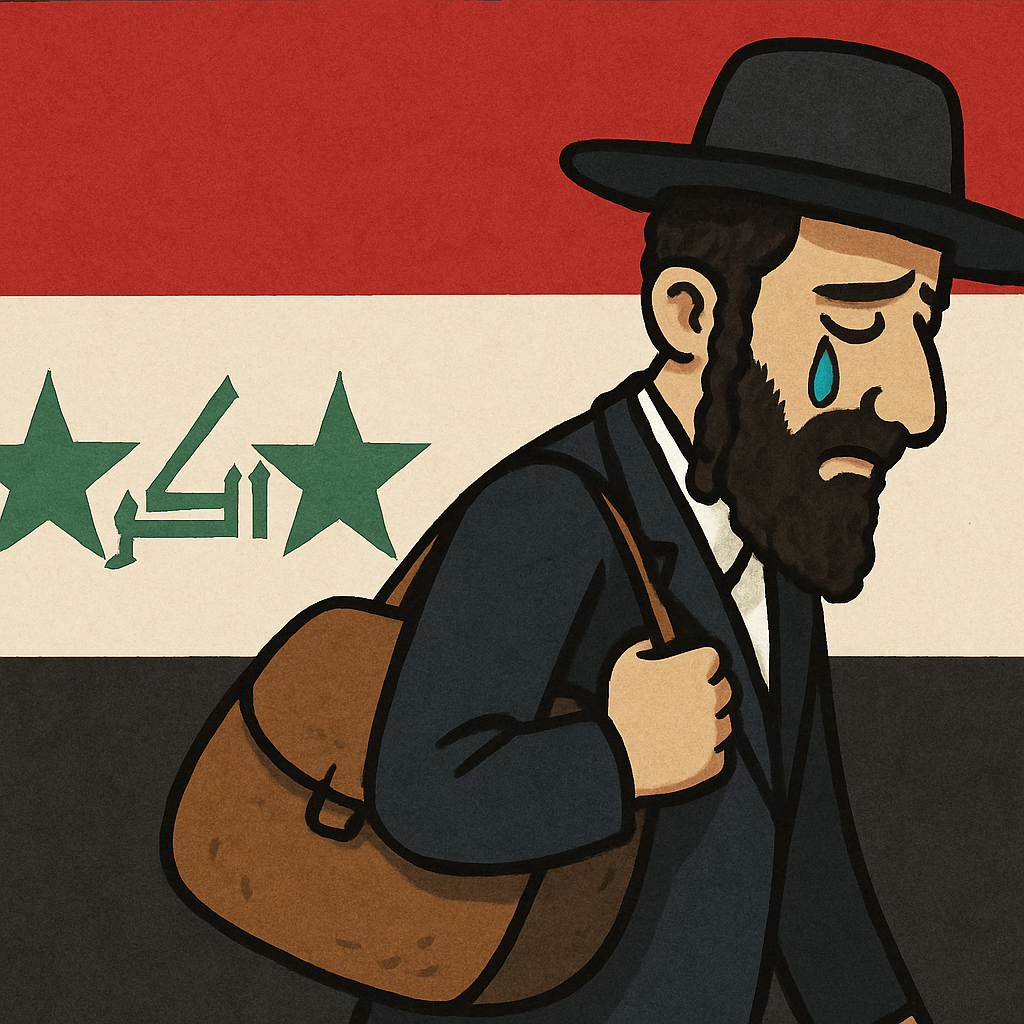
Photo Credits: Sabine Sterk (AI)
The Forgotten Refugees: The Truth Behind the Nakba
Open any history book or news outlet today, and you’ll hear of the Nakba, the Arabic term for “catastrophe”, referring to the displacement of Arab Palestinians during the 1948 Arab-Israeli War. The narrative is used relentlessly to vilify Israel, painting it as a colonial oppressor that “ethnically cleansed” native people from their land. But there’s another side of the story, a truth buried beneath decades of propaganda and silence.
It’s the story of nearly one million Jews who were forced to flee Arab and Muslim lands, leaving behind centuries-old communities, homes, synagogues, businesses, and holy sites. Unlike the Palestinian Arabs, these Jewish refugees received no global attention, no UN special agency, and no right of return. They were simply absorbed and forgotten.
A Forgotten Exodus
Between 1948 and the early 1970s, approximately 850,000 to 1,000,000 Jews were expelled, persecuted, or pressured to flee from 10 Arab and Muslim countries:
- Iraq (~135,000 Jews): Subjected to brutal pogroms like the 1941 Farhud, mass arrests, and laws stripping them of citizenship and property. Most fled by 1951.
- Egypt (~75,000): Expelled after 1948 and again post-Suez Crisis in 1956. Homes and businesses seized.
- Yemen (~55,000): Airlifted to Israel in Operation Magic Carpet (1949–1950) following anti-Jewish violence.
- Libya, Syria, Lebanon, Morocco, Algeria, Tunisia, Iran: Similar stories of mob violence, state-led persecution, and total erasure of Jewish life.
These Jews didn’t have to be expelled by war, they were expelled by hate. Arab regimes made it impossible for Jews to remain. Their only refuge was Israel, the very country being demonized by the descendants of those who once hunted them.
Numbers Don’t Lie
Let’s compare:
| Group | Estimated Refugees | Cause |
|---|---|---|
| Arab Palestinians | 600,000–750,000 | War started by 5 invading Arab armies against Israel |
| Jewish Refugees from Arab Countries | 850,000–1,000,000 | Expulsion, anti-Jewish riots, and legal persecution |
The Palestinians left a war zone, many after being told by Arab leaders to flee temporarily and return after Israel’s destruction. In contrast, Jews were hunted, attacked, and deported from lands they had lived in for millennia.
So why does the world remember only one side?
The Nakba Lie: A Weaponized Narrative
Today, the Nakba isn’t just a term, it’s a weaponized political tool used by Palestinian leaders, NGOs, and activists to delegitimize the very existence of Israel.
They use it to push:
- The false claim that Jews “stole” Arab land.
- The demand for a “right of return” for millions of descendants to flood Israel and demographically erase it.
- A narrative of victimhood that ignores Arab responsibility for launching the war in 1948.
Worse, the Nakba narrative erases Jewish history in the Arab world and gaslights the Jewish people by suggesting they were oppressors rather than fellow victims of 20th-century ethnic cleansing.
Let’s be clear: the Nakba is not about loss, it’s about rejecting Jewish sovereignty. Palestinians mourn the existence of Israel, not just their displacement.
A Tale of Two Refugees
Here’s the key difference between Jewish and Arab refugees:
- Israel absorbed its refugees, often from hostile lands, building housing, jobs, and education.
- Arab countries weaponized their refugees, refusing them citizenship, confining them to camps, and using their suffering to demonize Israel.
Only the Palestinians have a dedicated UN agency (UNRWA) that perpetuates their refugee status across generations. No such agency exists for Jewish refugees. No compensation. No recognition. No UN day of remembrance.
The Silence Must End
It’s time the world acknowledges the two refugee tragedies of 1948:
- The Jewish Nakba: nearly a million Jews driven from Arab lands with no right of return.
- The Palestinian exodus: caused largely by a war their own leaders initiated and lost.
Only one of these groups was permanently resettled. Only one moved on. Only one continues to be used as a political weapon.
Israel has always been willing to negotiate peace. But peace cannot be built on lies. The Nakba narrative has been twisted into a justification for hate, terrorism, and endless rejectionism.
It’s time to unmask the truth and give voice to those who were truly forgotten, the Jewish refugees of the Arab world, whose only crime was being Jewish in the wrong place, at the wrong time
A true and lasting peace will come not from denying history, but from acknowledging all of it. Without justice for Jewish refugees, and without truth in narrative, peace will remain out of reach.
Related Topics