The forgotten step in teshuva
During these Ten Days of Repentance, many of us struggle with the dual-faceted nature of teshuva. The Rambam, in his Mishneh Torah, Hilchot Teshuva, tells that there are two types of sins for which we seek forgiveness – those bein adam l’makom (between an individual and HaShem) and those bein adam l’chaveiro (between an individual and another person). The Mishnah Yoma (8:9) teaches us that Yom Kippur will provide atonement for the first, but not the latter. The Rambam teaches us four steps to the teshuva process: 1) recognize and stop doing the sin; 2) verbally confess the sin; 3) regret the sin by evaluating the negative impact of the sin; and 4) determine to not repeat the sin. We are also taught that it is forbidden (even cruel) to refuse to forgive another person. The prerequisite for divine mercy is extending mercy to others. That has served as a template for our teshuva for close to a millennium.
As we approach the third anniversary of the darkest day in our recent history, many, if not all of us, are still struggling with pain, anxiety, fear, apprehension. I have often said that Israeli society is not yet suffering from PTSD, as there is nothing “post” about the trauma yet. Many of us are still not operating at our pre-10/7 level of effectiveness, and it may be a long time, if ever, that we return to that point. It seems to me that the logical—and psychological—prerequisite for true communal healing in a traumatized society is learning to extend that very same mercy inward, to ourselves.
In order for an individual to ask others, or HaShem, for forgiveness, first that individual must be able and willing (!) to forgive himself. Bahya ibn Paquad (Rabbeinu Bahya), in the introduction to the Seventh Treatise on Repentance (Sha’ar Teshuva) of his guide to Jewish ethics called Chovot HaLevavot (Guidance to the Duties of the Heart), reminds us that all individuals will come to sin. Falling short is an inevitable – even fundamental – aspect of the human condition; requiring a compassionate path back to oneself and HaShem.
Rabbeinu Bahya details the very first step of teshuva: “The first [condition] is regret for the sins of the past.” (Repentance 4:9) He treats regret not as an act of crushing self-punishment, but as a sober, intellectual acknowledgment that allows a person to clear the slate and move forward.
Yet, when we apply this to our current reality in Israel, we realize how often we fail at this very first step—not because we lack regret, but because our regret manifests itself into self-flagellation. In a society where everyone is carrying the weight of a prolonged, unresolved war, many of us use our shortcomings as a weapon against ourselves. We replay the moments we lost our patience, the days we couldn’t focus at work, the times we felt emotionally numb or overwhelmed, and we treat them not as the understandable reactions of a traumatized human being, but as moral failures.
We forget that Rabbeinu Bahya’s framework of teshuva is designed to liberate the soul, not crush it. In the Eighth Treatise on Examining the Soul (Sha’ar Cheshbon HaNefesh, Chapter 2), he warns us against falling into the trap of despair—reminding us that an honest spiritual accounting must be tailored to a person’s actual capacity and emotional reality. When we demand superhuman resilience from ourselves while the nation is bleeding, we are setting an impossible standard that violates the spirit of our own tradition.
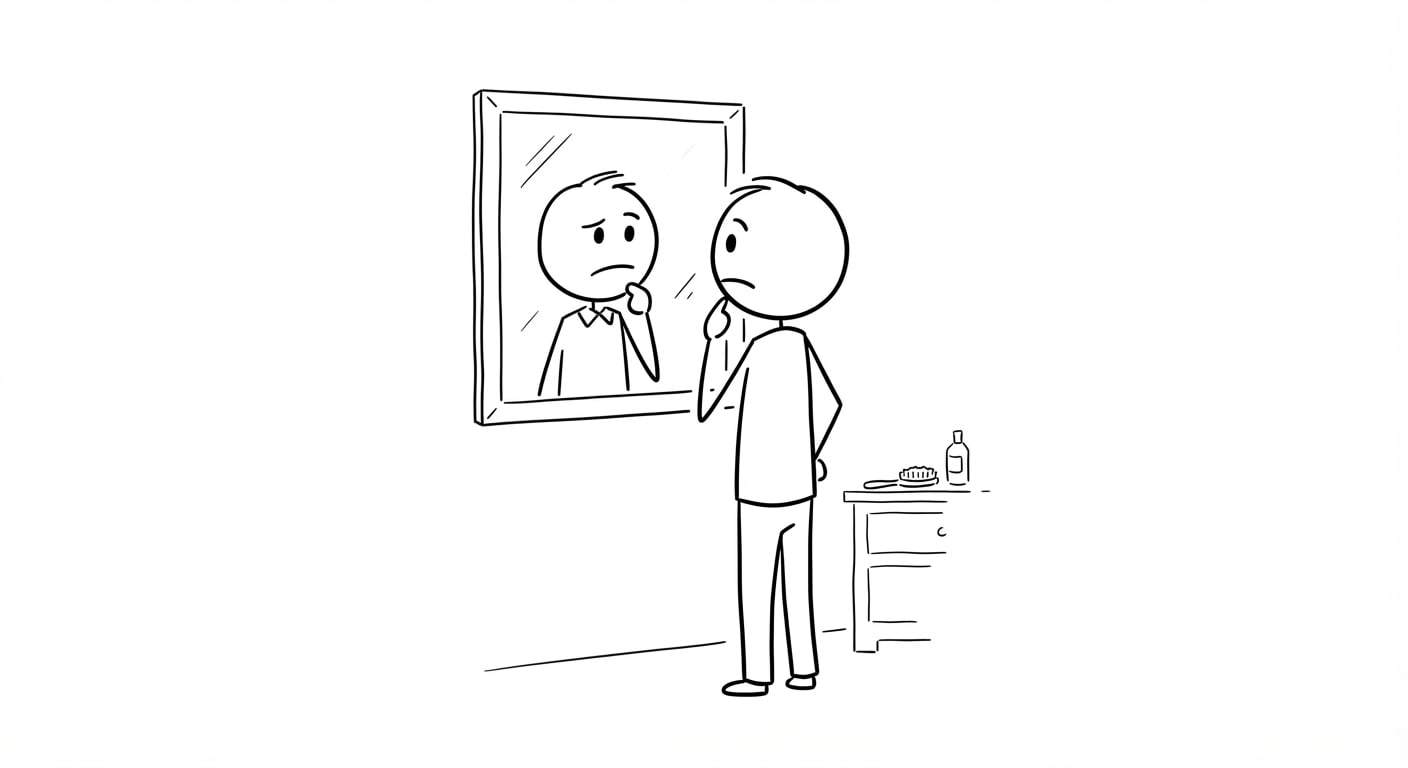
Before we can effectively turn outward to ask our family, friends, neighbors, colleagues, and our Creator for forgiveness, we must first offer a measure of grace to the person staring back at us in the mirror. True teshuva in post-October 7 Israel requires us to put down the heavy stones we throw at our own flaws. Only when we forgive ourselves for our exhaustion, our fear, and our frailty can we truly find the strength to show up for one another, and for our country.