
Author and Global Affairs Commentator
The Geopolitics of Hormuz
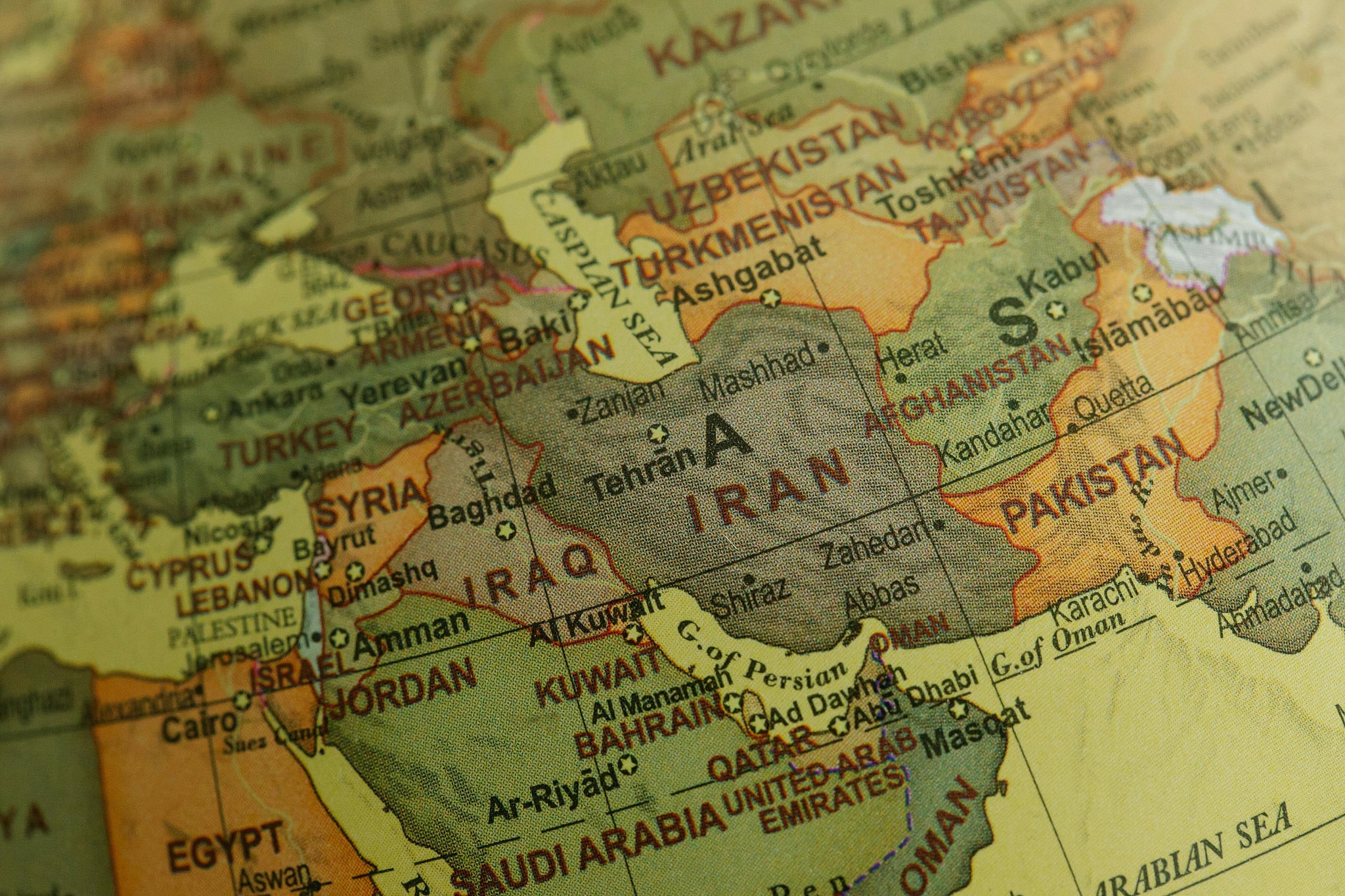
Military force can temporarily alter the balance of power, but it cannot eliminate the strategic realities imposed by geography.
The renewed confrontation between the United States and Iran has demonstrated that the Strait of Hormuz remains one of the world’s most consequential geopolitical chokepoints. While military escalation has exposed the fragility of recent diplomatic agreements, economic realities and mutual strategic constraints continue to make negotiation more attractive than prolonged conflict, even as both sides seek greater leverage at the bargaining table.
For decades, the Strait of Hormuz has represented far more than a narrow maritime passage linking the Persian Gulf to global markets. It is one of the few geographic bottlenecks capable of influencing the international economy within hours. Every confrontation involving the waterway reverberates across energy markets, military planning, and diplomatic calculations far beyond the Middle East.
The latest crisis between Washington and Tehran illustrates this reality with remarkable clarity.
The Memorandum of Understanding reached between President Donald Trump and Iranian President Masoud Pezeshkian initially appeared to reduce the immediate risk of conflict. In exchange for sanctions relief and the removal of a U.S. naval blockade, Iran agreed to facilitate commercial navigation through the Strait of Hormuz while opening discussions with Oman and neighboring Gulf states over the future administration of the waterway.
Yet the agreement contained a critical weakness.
Rather than establishing detailed operational rules governing maritime traffic before implementation, the accord deferred those questions until later negotiations. What appeared to be a diplomatic breakthrough instead created competing interpretations of who ultimately controlled navigation through one of the world’s busiest shipping lanes.
That ambiguity quickly became a source of confrontation.
Geography as Strategic Power
For Tehran, the Strait of Hormuz represents its single greatest source of geopolitical leverage. Control over maritime access provides Iran with influence far exceeding its conventional military strength, allowing it to threaten global energy supplies without necessarily engaging in prolonged warfare.
Washington views that leverage very differently.
American policymakers have long regarded unrestricted freedom of navigation as a fundamental principle of international commerce. Any arrangement that effectively grants Iran supervisory authority over commercial shipping risks creating a precedent that could undermine broader U.S. strategic interests across the Indo-Pacific and beyond.
The disagreement quickly became operational rather than theoretical.
Iran insisted that commercial shipping remain close to its coastline, allowing Iranian authorities to monitor vessel movements. The United States instead encouraged vessels to remain closer to Omani waters, minimizing Iranian oversight while preserving uninterrupted commercial traffic.
Those competing interpretations transformed routine navigation into military confrontation.
Escalation Through Miscalculation
As Iranian forces attempted to enforce their preferred shipping routes, military exchanges rapidly followed. American strikes against Iranian military infrastructure prompted retaliatory attacks on U.S. facilities across the Gulf, demonstrating how quickly tactical disagreements can evolve into broader regional conflict.
Diplomatic efforts struggled to keep pace.
Negotiations intended to stabilize the ceasefire collapsed following attacks on commercial shipping, leading Washington to launch its largest military operation against Iranian targets since the original agreement had been signed. Tehran responded in kind, creating an increasingly dangerous cycle of retaliation and counter-retaliation.
President Trump subsequently declared the agreement effectively void during the NATO summit in Ankara, while threatening both renewed naval blockades and significantly expanded military operations should Iranian attacks continue.
Financial markets responded immediately.
Brent crude prices climbed sharply as investors once again priced geopolitical risk into global energy supplies, reminding governments that disruptions in Hormuz remain capable of influencing inflation, transportation costs, and economic growth worldwide.
Diplomacy Under Pressure
Despite the military escalation, neither side appears eager to pursue an extended conflict.
For Washington, domestic political realities impose meaningful constraints. Rising fuel prices would place additional pressure on inflation while creating electoral challenges ahead of congressional elections. At the same time, the conflict has placed increasing strain on American precision-guided missile inventories, forcing difficult decisions regarding military production and overseas commitments.
Iran confronts equally severe limitations.
Years of economic sanctions, damaged infrastructure, persistent inflation, and domestic political dissatisfaction leave Tehran with limited capacity to sustain a prolonged confrontation. Although maintaining influence over Hormuz remains central to Iranian strategy, continued warfare risks further weakening an already fragile economy.
Consequently, both governments appear to be pursuing a familiar strategy: increasing military pressure to improve negotiating positions while stopping short of actions likely to trigger an uncontrollable regional war.
Israel’s Different Calculus
The crisis also reflects differing strategic priorities among America’s regional partners.
Israeli Prime Minister Benjamin Netanyahu has consistently opposed agreements that reduce pressure on Tehran, arguing that sustained economic and military coercion offers the best opportunity to constrain Iran’s nuclear ambitions and regional influence.
President Trump, however, faces a more complicated calculation.
Although willing to employ military force when necessary, his administration also has strong incentives to avoid another open-ended Middle Eastern conflict that could undermine economic stability and distract from broader strategic priorities, including competition with China.
Those differing objectives do not necessarily weaken the U.S.-Israel partnership, but they illustrate that allies can share long-term goals while disagreeing over the optimal path toward achieving them.
The Economics of Compromise
Ultimately, neither Washington nor Tehran benefits from permanent confrontation.
For Iran, broader nuclear concessions could unlock substantial economic rewards through restored oil exports, access to frozen overseas assets, and international investment needed to rebuild critical infrastructure.
For the United States, a durable agreement would stabilize energy markets, reduce military commitments in the Gulf, and allow greater attention to strategic competition elsewhere.
The central challenge remains one of trust.
Relations between the United States and Iran have been shaped by decades of mutual suspicion, making even limited agreements vulnerable to competing interpretations and political pressures. Every ceasefire becomes an opportunity for tactical advantage; every negotiation carries the risk of renewed confrontation.
The Chokepoint That Shapes the World
The latest crisis demonstrates that geography continues to shape international politics as powerfully as ideology or military capability.
The Strait of Hormuz remains the world’s most consequential maritime chokepoint precisely because its importance extends beyond the Middle East. A disruption there influences energy prices in Europe, inflation in North America, manufacturing in Asia, and economic confidence across global markets.
Military force can temporarily alter the balance of power, but it cannot eliminate the strategic realities imposed by geography.
For that reason, diplomacy—however difficult—remains the only durable solution. Both Washington and Tehran possess powerful incentives to return to negotiations, not because mutual trust has emerged, but because neither side can afford the economic, political, or military costs of allowing Hormuz to become a permanently contested battlefield.
Related Topics
Related Posts