The Hebrew they never taught me in Jewish day school
My Hebrew is functional. It is not pretty. It gets the job done the way a duct-taped suitcase gets the job done — it holds…
For years, the words I didn’t know were inconveniences. I’d blank on the Hebrew for “invoice.” I’d google “mold” while texting my landlord. I’d nod along when someone used slang I didn’t recognize and piece it together from context, the way immigrants do — always three seconds behind, always pretending otherwise.
Then came October 7th, and the wars that followed, and suddenly the words I didn’t know were the sounds of the country trying to stay alive.
אזעקה (az’aka) — siren. You learn it with your body before your brain. Ten seconds to find shelter. My dog has no idea what’s happening. I grab her, I grab my phone, I close the steel door of the ממ״ד (mamad) — the reinforced room — and realize I forgot my glasses and sometimes, my pants.
Not everyone has a mamad. That’s the part they skip in the real estate listing. If your building went up after 1992, you have one — your own private concrete box, steps from your bed. If your building is older, you have a מקלט (miklat) — a public shelter in the basement, often locked, sometimes full of broken strollers and the building committee’s Passover dishes. The key is with the neighbor on the third floor, who may or may not be home when the siren goes off.
This is a class map dressed up as architecture. New construction in Ra’anana: mamad. A 1970s walk-up in south Tel Aviv: miklat, if you’re lucky. An old stone house in Jerusalem, unrenovated since the Mandate: a stairwell and a prayer. Two families under the same טיל בליסטי (til balisti, ballistic missile) — one with WiFi, one with 14 strangers and a flickering fluorescent. Same missile. Not the same roof.
The כטב״מים (katbamim — drones) came from Hezbollah, the Houthis, Iraq. Before this war I did not know what a katbam was. I did not know the difference between a ballistic missile and a til shayit — a cruise missile. I learned the way you learn most things here: by having them happen to you.
מחדל (mechdal) — systemic, institutional failure. Not the kind where you forget to buy milk. The word that defined 1973 and was repurposed within hours of October 7th. Fifty years of national trauma in two syllables.
חטופים (hatufim) — hostages. Word of the year, 2024. The kind of honor nobody wants. The root means to snatch. It doesn’t translate cleanly. It shouldn’t.
פעימות (peimot) — pulses. The term for the incremental phases of a hostage deal. Three people in this pulse, five in the next, the dead in a later one. It’s the language of a heartbeat repurposed for negotiation.
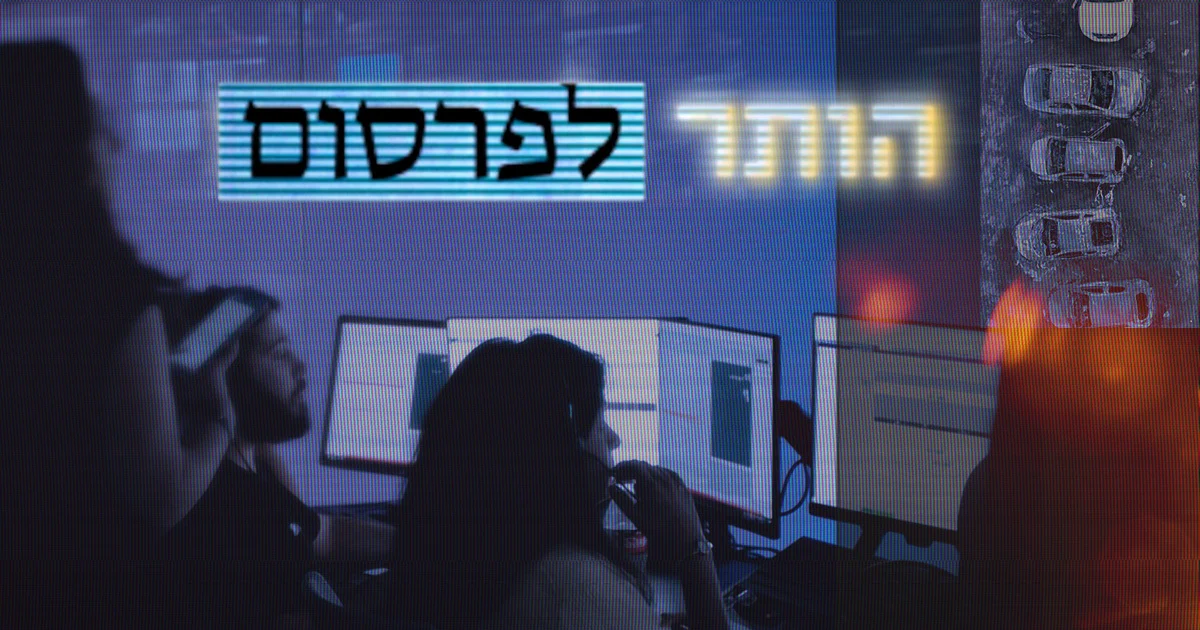
הותר לפרסום (hutar lefirsum) — approved for publication. The IDF’s formula for releasing the name of a fallen soldier. A family has been notified. Now the rest of the country can know.
The emotional vocabulary is the part I didn’t expect. אין מילים (ein milim) — no words. The phrase that closes conversations, ends emails, fills the space where meaning should go but can’t. I run a museum built on the premise that ancient words still speak. And here is modern Hebrew saying: we have nothing to say.
בשורות טובות (besorot tovot) — may we hear good news. Used to be a phrase used by Orthodox Jews. Now everyone says it — It doesn’t make people believe. It just makes them reach for the auspicious words.
The Hebrew I learned before was mine. I chose it. Picked it up word by word, at my own pace.
I didn’t choose the Hebrew of the last three years. It chose me. It walked in the way a siren walks into a room — without asking, without apology, and with the expectation that you will respond.
Ein milim. And also: all these words.