
The Iran war’s double-edged sword
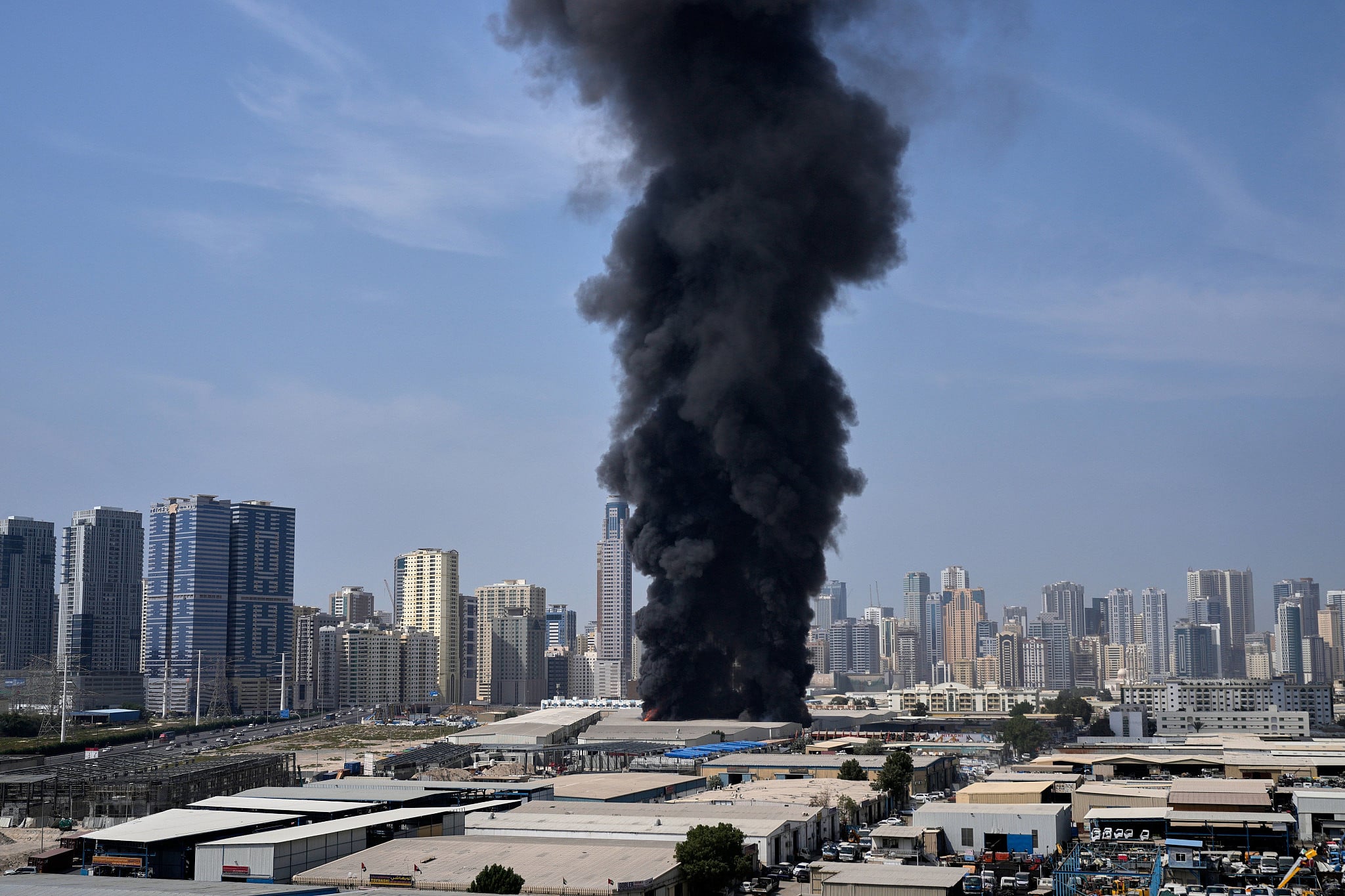
The metaphor of a double-edged sword has been with us for a long time – it likely comes from medieval Arabic, or possibly biblical Hebrew. The modern speakers of those ancient languages should know all about such swords, since the current war with Iran is now cutting not just sharply, but in both directions.
It is true that Gulf leaders, particularly Saudi Arabia and the UAE, may relish the damage now being inflicted on Iran. They certainly will not bewail the demise of the Iranian Supreme Leader and his accomplices, the destruction of Iran’s capacity to threaten its neighbors, or its program to develop nuclear weapons and the means to deliver them. But make no mistake: those same Gulf states are facing the tenacious wrath of Iran’s retaliation for a war they did not start or ask for.
They are furious that Iran is attacking their energy infrastructure, obstructing their exports, and targeting civilian facilities and diplomatic installations – including the US Embassy in Saudi Arabia that I once led. They are watching their reputations as stable destinations for investors and tourists come under threat. And they are nervously uncertain about how and whether the United States, which shares with Israel and Iran ultimate responsibility for the trajectory of this conflict, will protect them.
Meanwhile, Israel is certainly reveling in the long-dreamed-of decapitation of the Iranian regime and the prospect of ending the threat Israelis have long believed Iran’s clerical dictatorship posed to their existence. Nearly every external threat Israel faced – Hezbollah in Lebanon, Hamas in Gaza, the Houthis in Yemen – could be traced to Iran. But there is no guarantee that war with Iran will lead to the regime’s demise or that what replaces it will be an improvement.
This war brings with it unknowable consequences, perhaps a fragmented and leaderless Iran – effectively chaos – that could prove catastrophic for the Gulf and Israel alike. And even if in a best-case scenario, the war leads to an Iran that is less threatening to Israel, the Gulf, and the West, it will not address or resolve the longstanding grievances against Israel that permeate the region, much of which stems from Israel’s conflict with the Palestinians.
Nothing makes it harder to build public support for Israel’s integration in the region quite like Israeli attacks on Muslim countries or their Palestinian neighbors. And like it or not, the genuine regional integration Israel craves will always depend, at least in part, on a settlement to that long-standing conflict.
This war may be an overdue catharsis, quietly welcomed by a region long resigned to Iran’s pernicious ideology and the threat of its weapons. But it should also be a source of profound anxiety for America’s partners in a region that already suffers from a reputation for instability and conflict. This war is a sword that definitely cuts both ways.