The Last Act of Love: Burial and Memory
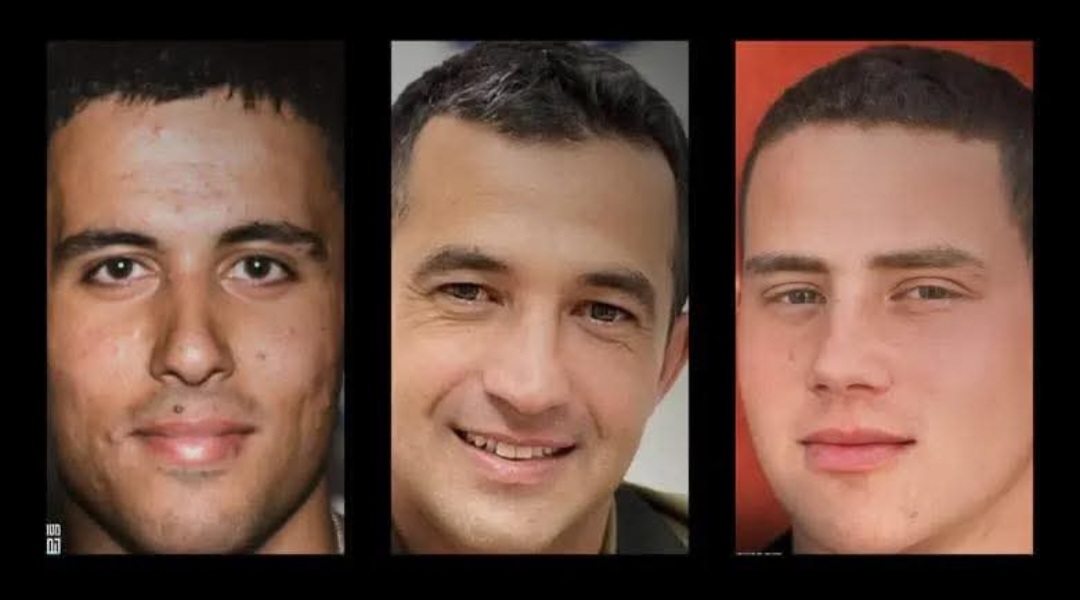
This article is in honor of the return of the bodies of three deceased Israeli soldiers who were held hostage in Gaza and were brought back between Saturday night and Sunday — Capt. Omer Neutra, Staff Sgt. Oz Daniel, and Lt. Col. Asaf Hamami — whose return to their families carries deep meaning in Jewish tradition.
In Judaism, specifically in the Torah, we have records showing the importance of burial itself. We know that Abraham bought Me’arat HaMachpelah from Ephron because he did not want any disputes or conditions. He wanted to bury his wife there, properly and respectfully. It is considered a sacred place because our Avot are buried there.
If we consider the story of Yosef, we see this same importance in two parts of his story. First, Yosef requests permission to go and bury his father, Yaakov, in the Land of Israel — and he is granted that permission. Later, Yosef asks that when the Jewish people leave Egypt, they take his bones with them. And we know that, fantastical or not, the Torah tells us that the bones indeed came out of the water.
These stories reflect how, in Judaism, burial and remembrance are sacred acts of dignity. As a grief counselor, I can say with confidence that one of the things that helps people process grief is the ability to memorialize their loved ones. Judaism provides many rituals for mourning — shiva, prayers, and the comforting presence of the community. These acts allow individuals to feel supported and give dignity both to the deceased and to the living who mourn them.
The return of the deceased hostages is part of a sacred mission. It cannot take away the unimaginable pain of losing loved ones — the pain of knowing they will never come back to share life with their families. The people receiving these bodies will not get the hugs, the conversations, or the time they wish they could have again — with a spouse, a child, a brother, or a father. The loss alone is painful enough, but the inability to close the chapter with dignity makes it even harder.
That is why I want to acknowledge this moment. Rather than remembering how they died, we must remember how they lived — who they were. These three young men were heroes, people who did not die in vain but gave their lives protecting the land and the right of the Jewish people to live freely in their homeland. Their sacrifice is painful but is also part of the larger fabric of Jewish history. In that sense, there is an additional light that shines through their memory.
After so much pain, after everything that we have been through — all of us, and especially their families — I came to the conclusion that we cannot control what happens to us. That is never in our hands. But we can control what we do with the situations given to us. Because of this understanding — of memory, dignity, and closure — we cannot stop until the remaining eight who are still held hostage in Gaza are also returned.
Bringing the remaining deceased hostages home for a dignified burial is the ultimate Jewish mission. We must stay the course and not steer away from it until it is fulfilled. May we have the zekhut and the strength to see this sacred mission completed soon.