Spokesperson for Hatzalah Yehuda v'Shomron
Featured Post
The lie of the soft life
No matter where you live, watching someone you love suffer and knowing you cannot ease their pain is hard. Israel trusts us to manage anyway
(courtesy)
Soft Landing.
Soft sheets.
Soft towels.
Soft food.
When Americans talk about making aliyah, one piece of advice comes up again and again: “Make sure you have a soft landing.”
I’ve always wondered what that really means. Does it mean life should be easy at first? Comfortable? Cushioned? And after that soft beginning…what then? Reality begins? Because the truth is, reality isn’t soft.
I learned that lesson in the maternity ward, of all places.
When I gave birth to my first two children in the US, I barely had to leave my hospital bed. Meals were brought to me. Pain medication was plentiful. I was given a special cushion to sit on and special numbing spray to apply to my stitches. Every discomfort had a solution.
Yet despite all those comforts, I became terrified of pain. Seven days after my son’s birth, I still hadn’t had a bowel movement because I was afraid my stitches would tear. My doctor finally looked at me and said, “Take Milk of Magnesia, put your feet on a stool, push with strong force. You’ll see stars – but your stitches won’t break. The first time will be hard. Then you’ll be fine.”
He was right. I saw stars. And then I discovered something important: I was stronger than I thought.
Years later, we made aliyah with two toddlers, and I was seven months pregnant. When our third son was born in Israel, the experience couldn’t have been more different. There were six women in my room instead of just me. Meals weren’t delivered; we walked to the dining room. Pain medication came one pill at a time, and only if you asked and pestered them. There were no special cushions or sprays waiting for me. I was expected to get up, shower, care for myself, and care for my baby.
At first, it felt almost harsh. Then I realized something. The Israeli system wasn’t assuming I wouldn’t heal. It was assuming that I would. That lesson has followed me ever since.
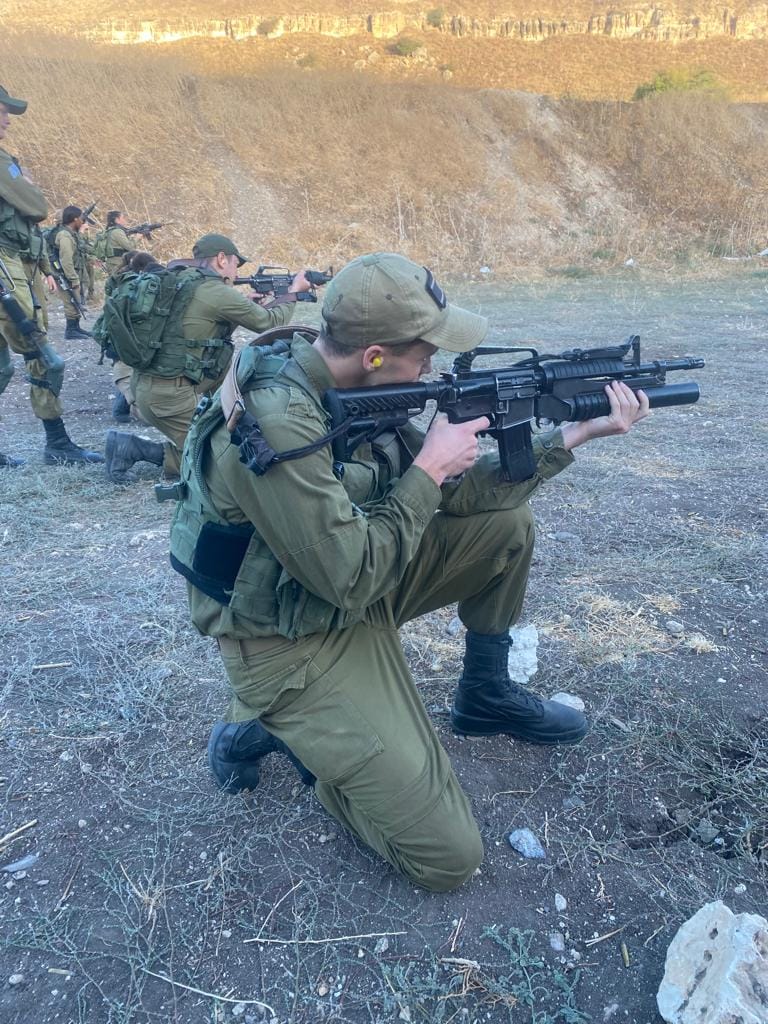
Recently, helicopters circled over our community after a shepherd was attacked by Arab terrorists and his weapon was stolen.
A few days later, while I was on pool duty, a friend texted asking if I wanted to help bake a cake for a young woman I know. Her brother had intervened the night before and saved her life after she attempted suicide.
People often tell me I’m brave for living in Yehuda and Shomron (Judea and Samaria). They assume that terrorism is what frightens us most. It isn’t. The hardest moments are the same ones parents face everywhere: watching someone you love suffer and realizing you cannot fix everything for them.
Living here hasn’t removed those fears. It has simply removed the illusion that life is supposed to be easy.
Perhaps that’s what bothers me about the phrase, “soft landing.” Softness can be comforting, and there is certainly kindness in making someone’s transition easier. But there is a difference between compassion and pretending that life can be padded enough to eliminate pain.
It can’t.
Pain comes in hospital rooms, in family struggles, in acts of terror, in quiet battles no one else sees.
The question isn’t whether we’ll encounter hardship. The question is whether we’ll discover, as I did all those years ago, that we are capable of walking through it.
Maybe that’s what Israel has taught me. Not that life here is harder. That life was never soft to begin with.
Related Topics
Related Posts