The Netanyahu Paradox: Why Does He Still Matter?
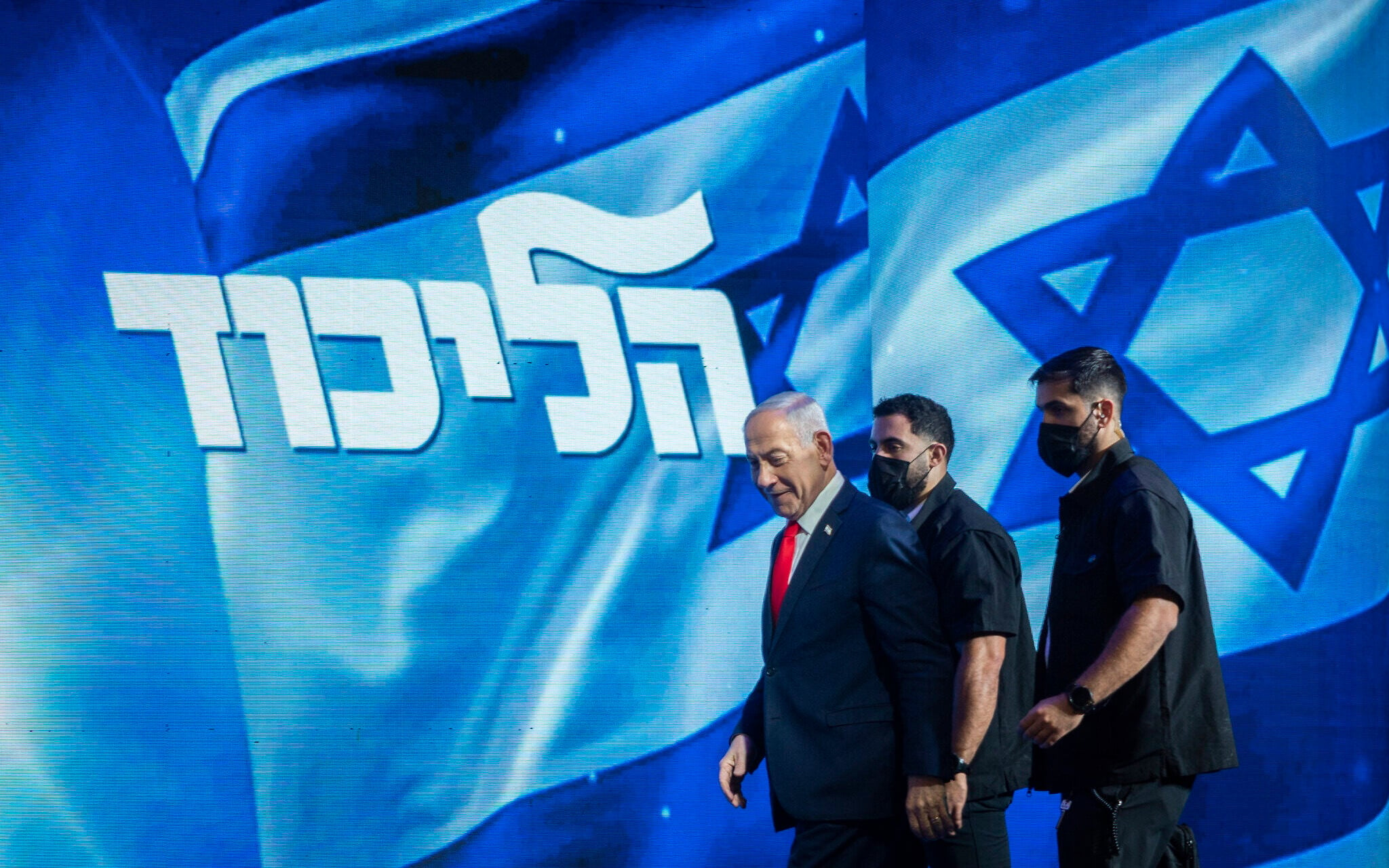
This forum is not intended to defend or condemn Benjamin Netanyahu. It simply seeks to understand a political phenomenon and, in my view, a real social one. How can we explain that after so many years in power, despite the crises, wars, legal proceedings, and deep divisions of the country, Netanyahu continues to embody, for a significant part of the Israeli right, a form of recourse? I’m not trying to judge the man, but to understand this particular relationship between a leader and part of Israeli society.
The first estimates of the Israeli elections on 27 October place Likud at the head of the parties. Yet the question of parliamentary majority remains open. This contrast deserves reflection. After more than twenty years in power, Benjamin Netanyahu remains at the center of Israeli political life, while a significant part of the country wants his departure.
There is something singular about this longevity.
Since he first came to power in 1996, Netanyahu has suffered electoral defeats, political ruptures, court cases, wars, and internal crises. He left power, then returned. Even within his own camp, he faced challenges. Yet he remains a key figure on the Israeli right today.
How to explain it?
The first answer may lie in the relationship he has built with part of his electorate. For some Israelis, Netanyahu is not simply the leader of Likud. It embodies a vision of the country, based on security, military power, distrust of international pressure, and the belief that Israel must be able to defend its interests, even at the cost of isolation.
In this reading, Netanyahu appears as a man of experience, capable of facing a particularly hostile regional environment. His followers may admit mistakes without considering that another leader would do better.
But this loyalty also has a social dimension.
For several decades, Israeli politics has been marked by deep fractures: between right and left, religious and secular, center and periphery, but also between different family, cultural and social histories. These divisions are not just with Netanyahu; they existed before him and will probably continue after him.
However, Netanyahu has become one of the main symbols of these oppositions. For some of his voters, supporting him also means defending a political and social identity that they sometimes consider to be despised or insufficiently represented by certain elites in the country.
It is perhaps here that part of the explanation for its longevity can be found. When a leader becomes the symbol of belonging, the relationship with his constituents no longer depends solely on his balance sheet. It is also based on a sense of loyalty, recognition and sometimes mistrust towards one’s opponents.
But it would be equally reductive to present this loyalty as blind or to consider that all its voters share the same motivations. Some vote for his economic or security program, others for Likud, and still others because they do not recognize themselves in the alternatives proposed.
You also have to look at the other side of the table.
October 7, 2023 profoundly shook Israeli society. Security failures, the consequences of wars, the human price paid by the population, institutional tensions and political divisions raise questions that no serious analysis by Netanyahu can escape.
His opponents consider that his longevity should not mask his responsibilities. They reproach him in particular for having contributed to deepen the divisions of the country and contest his ability to propose a sustainable political perspective.
These criticisms are part of the democratic debate. Ignoring them would mean turning analysis into advocacy.
But ignoring the support that Netanyahu still enjoys would be another mistake. This would make it impossible to understand why, despite the events, part of the population continues to place its trust in him.
There is also a more political explanation: the fragmentation of the opposition. Opposing Netanyahu does not necessarily mean sharing the same vision of Israel’s future. On security, relations with the Palestinians, the place of religion or institutions, his opponents themselves have important differences.
Rejecting a leader is therefore not always enough to build a common alternative.
This is where a distinction seems essential: surviving politically does not necessarily mean succeeding strategically.
A politician can retain a loyal electorate without being able to rally the country. He can win elections without resolving the divisions in society. It can also achieve military successes without succeeding in transforming them into lasting security.
This thought goes well beyond Netanyahu and Israel. Political history offers many examples of leaders whose longevity is explained as much by the expectations, fears, and divisions of their societies as by their own decisions.
Perhaps then we should look at Netanyahu differently. Not only as a politician who resists crises, but as the revealer of a society deeply divided about its identity, security and future.
The final results of the elections will make it possible to know the parliamentary power relations. But they will not suffice to explain the special relationship between Netanyahu and part of the Israeli electorate.
At bottom, the question is not how Benjamin Netanyahu managed to survive politically in so many crises.
It is to understand why, after all these years, some Israelis continue to see in him a means of recourse, while others consider that the country’s future depends precisely on his departure.
What if the real phenomenon of society were there: in this capacity of a single man to embody, at the same time, the hopes and the fractures of a country?