Poet, Historian, Diplomat
Featured Post
Al-Sharaa brings jihadi populism to Syria
After replacing Assad's dictatorship, the country's new ruler built another family-led regime that blends sectarian rule, Islamist ideology and populist theatrics
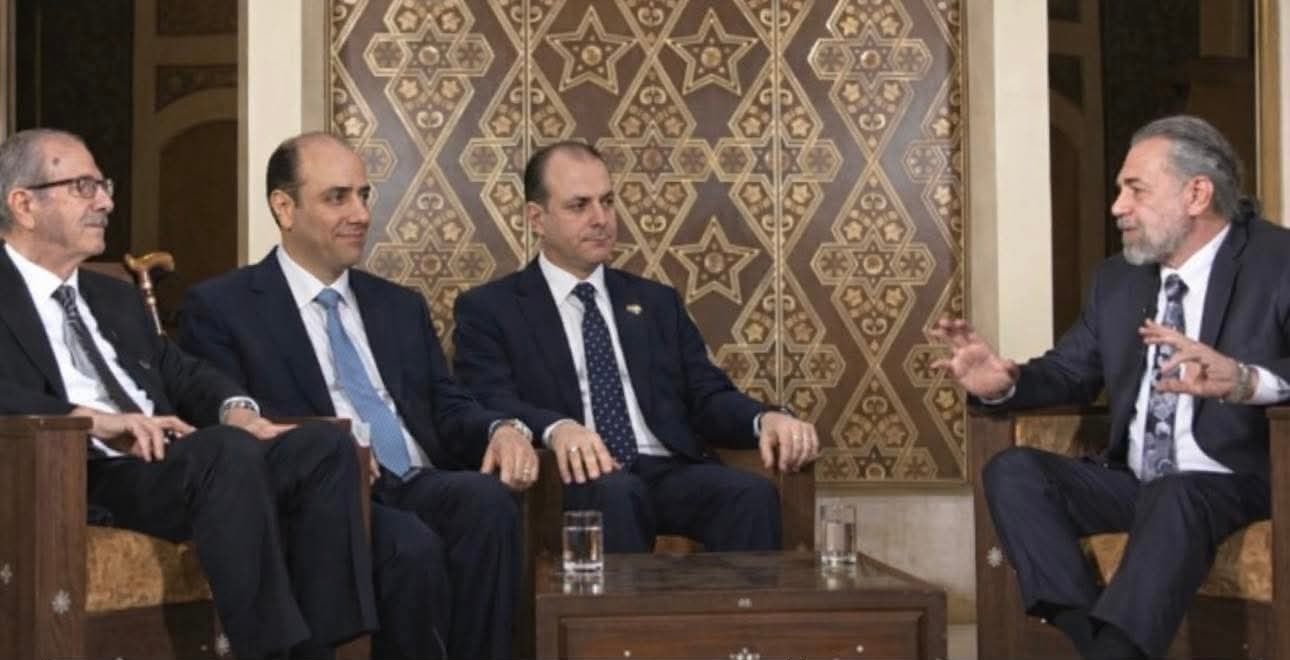
Al-Sharaa's father and two brothers. Photo courtesy AI
As the regime of Ahmad al-Sharaa, formerly Abu Mohamad Al-Golani, enters its second year in power in Syria, it’s important to understand what this new government represents. Sharaa’s supporters see him as the voice of the Sunni majority’s will; his opponents view him as a Salafi-jihadi leader who suppresses minorities. Yet this is not the whole story.
Sharaa means different things to different people, but the constant foundation of his regime is jihadi populism. In a way, he is another leader in the wave of populism that is sweeping the world in the first half of the 21st century. Syrian populism’s only difference is its jihadi flavor.
The first sign of popular jihadism became clear when we realized that the end of the rule of the Assad family dictatorship didn’t lead to elections or to a representative government, but to the installation of another ruling family. The main change in the new government is essentially just in the name: from Assad to Sharaa.
Sharaa’s brothers and brothers-in-law took over many key roles in the government, controlling, in effect, most of the important divisions of the new regime. Formally, Sharaa likes to talk about Assad’s corruption; in reality, his brothers are overseeing the takeover and the transfer of wealth from the Assad family and its supporters to themselves.
The second sign of jihadi populism is echoing the claim that Assad’s Ba’ath party regime was sectarian, despite supposedly representing Syrian society. In reality, the Ba’ath party provided significant space for minorities, but the Sunni majority was integral to the regime, holding many leading positions.
Sharaa’s new regime is clearly sectarian. It considers Sunni Arabs as the true rulers of the country and claims they are the descendants of the Umayyads, who ruled the Muslim empire from Damascus. For them, the 35% of the Syrian population that includes many ethnic and religious minorities are only tolerated parts of society.
The last component of jihadi populism is flirting with any regional or global power that can give it legitimacy and financial support. It started with the backing of Turkey and Qatar, the obvious sponsors of any Islamist government in the Middle East. These two countries brought in the British and Americans to open the way for Golani’s transformation into Al-Sharaa.
Yet it did not stop there. The new Syrian regime entered negotiations with Israel, the main opponent of the former Assad regime, almost immediately. And if that wasn’t enough, Sharaa went to Russia, the previous regime’s main ally and supporter, and offered concessions for legitimacy. Visiting Moscow while Assad is taking refuge there is the height of cynicism of the Sharaa regime.
Like any other populist regime, the Sharaa government is busy creating false images instead of addressing real problems. Its first priority was selecting a new national emblem that displays power rather than focusing on nation-building.
The new government leadership is touring the country with large entourages of luxury SUVs, wearing expensive suits and watches, while millions of Syrians remain in refugee camps. They dismantled the socialist system and introduced extreme capitalism that trades in all national infrastructure and natural resources.
Populism always ends in tears. It promises prosperity but offers no real solutions to the nation’s problems. The danger of jihadi populism in the Middle East is that such a regime can lead to internal chaos or, worse, suicidal acts of desperation against neighboring countries.
Related Topics
Related Posts