
The Next Wave of Antisemitism
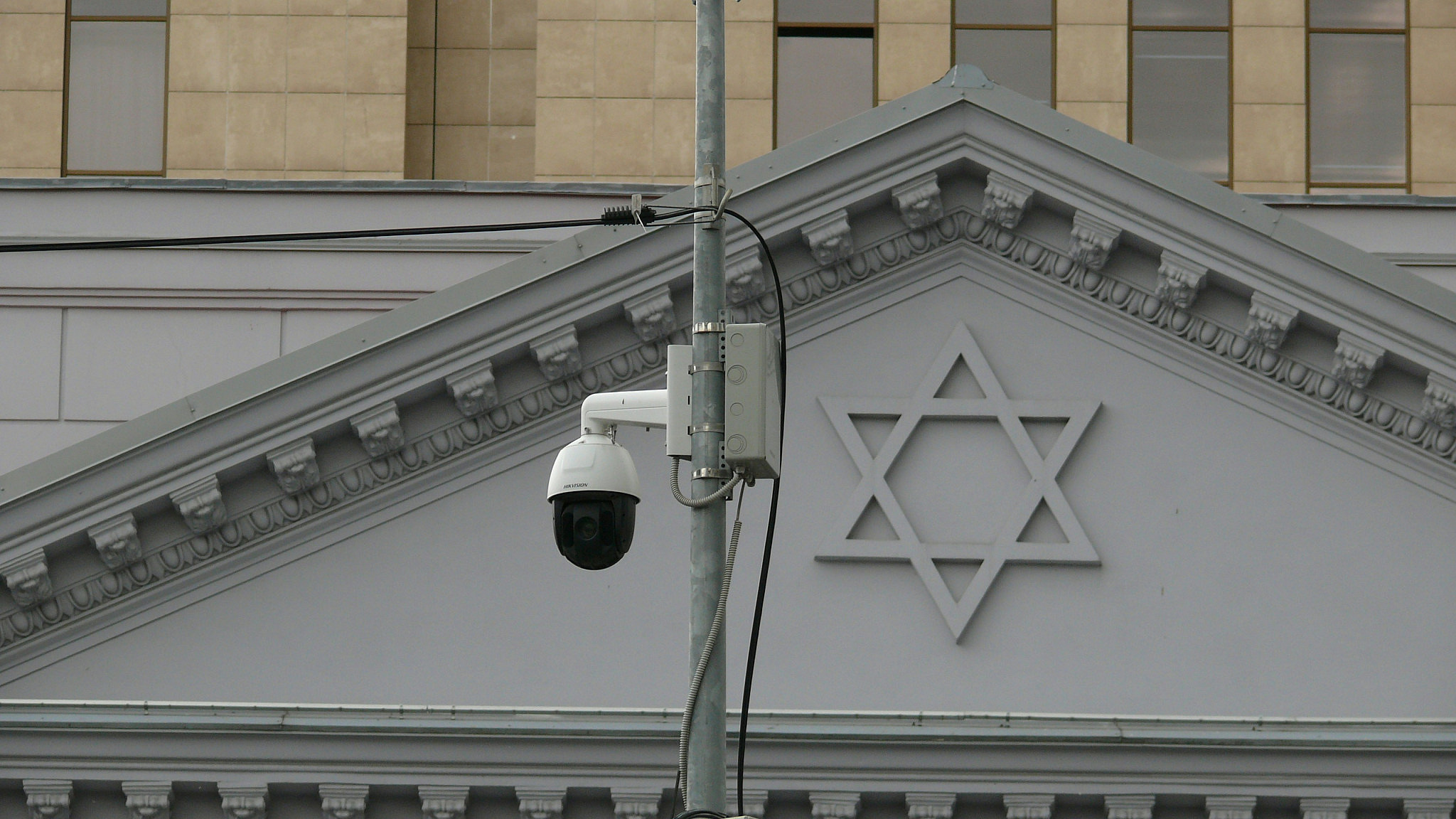
What October 7th revealed about Jewish vulnerability
October 7th did not just mark one of the darkest days in Israeli history. It exposed something far more unsettling: how unprepared Jews around the world were for what followed.
I remember the summer of 2021, when there was already a small flare-up in Gaza. I went to a pro-Israel rally in Times Square, and it was nearly empty. Yet I could feel the rumblings—something was brewing, something that many others seemed to believe that wouldn’t amount to much of a threat. That sense of foreboding now reads as a warning, a signal that preparation is never too early.
Within hours of the attack on October 7th, before Israel had even begun to respond, the online and offline backlash began. Within days social media flooded with disinformation. Jewish students were harassed on campuses. Synagogues increased security. In cities across the world, Jews were confronted not for policies or actions, but for existing. The speed and scale of the response were shocking, but in hindsight, they should not have been surprising.
For decades, every major flare-up involving Israel has been followed by a surge in antisemitism. Yet October 7th revealed a deeper problem. While Israel prepares militarily for future conflicts, Jews in the Diaspora remain largely reactive, fragmented, and uncoordinated when the next wave inevitably arrives.
The lesson is stark: survival in the modern era is not just about military strength. It is about information, presence, and community. Online platforms have become the new frontlines. TikTok, Instagram, and other social media sites are shaping perceptions faster than any traditional media ever could. Misrepresentation spreads in minutes. Lies take root while facts lag. Without a coherent, proactive strategy, Jews are left vulnerable to waves of misinformation and hatred.
Preparation means building infrastructure before the next crisis, not scrambling after it arrives. It means establishing credible voices on social media, cultivating allies, and supporting Jewish students, educators, and community members who are already on the front lines. It also means thinking long-term, like AIPAC does: forming relationships years in advance with college students who will become the next generation of leaders and policymakers. Real preparation is about creating trust, influence, and networks far ahead of the moment they’re needed. History has shown that those who plan early endure. Those who wait are exposed.
Concrete Steps for Diaspora Readiness
-
Strengthen Campus Presence
Universities remain the most fertile ground for shaping the next generation of leaders. Jewish students should be encouraged, funded, and supported in student government, debate, and media initiatives. Organizations that engage early, like AIPAC and Birthright alumni networks, show how sustained attention creates influence decades down the line. -
Build Credible Online Voices
Social media is the first battlefield. Jewish thought leaders, community organizations, and influencers must maintain consistent, accurate, and visible accounts. Rapid response teams, historical fact-checking, and pre-prepared content can help combat misinformation when it arises. Currently, there are only a handful of prominent Jewish voices online. With proper funding and professional support for additional accounts, the community could create a more robust, powerful presence to counter false narratives and amplify truth in the future. -
Coordinate Local Communities
Synagogues, Jewish community centers, and local nonprofits should maintain communication networks, share security guidance, and host educational sessions. Prepared communities can respond efficiently, support vulnerable members, and push back against antisemitism collectively. In addition, practical self-defense training, firearms safety courses, and licensing programs could gain more traction in the near future, helping community members protect themselves while fostering confidence and readiness. -
Engage Allies Proactively
Preparation is not just internal. Jews cannot confront global antisemitism alone. Building relationships with interfaith groups, politicians, journalists, and civic leaders creates a network of allies who can amplify accurate information and intervene when threats emerge. We will always be outnumbered, yet there are many opportunities to collaborate and encourage those who are undecided or on the fence to join—every supportive voice strengthens the community’s resilience. -
Fund Early, Plan Ahead
Resources matter. Organizations that plan for the long term, secure sustainable funding, and create clear operational plans are the ones that can scale rapidly when a crisis hits. Waiting for a crisis to fundraise is too late. Jewish safety is a vital need, and funds currently allocated elsewhere should also be directed toward preparedness, resilience, and community protection.
Hope alone is not enough. Silence is not protection. And wishing that the world will act fairly the next time a flare-up occurs is a gamble we cannot afford. The Jewish community must act now, before another wave hits. We must invest in self-defense, in amplifying the truth, and in networks that can respond with clarity and authority.
October 7th will not be the last warning. However if we internalize its lessons, fortify our communities, and act decisively, we can ensure that the next wave of antisemitism does not catch us flat-footed. Preparation is our responsibility.