
Post October 7 war: Bridges, not fences, are the way to peace
After the signing of the first phase of the regional agreement, we must change the way we look at peace agreements. I want to argue that any regional peace agreement must begin with the understanding that there must be no fences between Israel and its neighbors.
As a child growing up in the 1990s in Gush Etzion, I protested against the Oslo Accords. As a teenager in a boarding school in Jerusalem, I experienced firsthand the terrible violence and bloodshed of the Second Intifada — and I sought revenge. Over the past decade, I watched the construction of barriers and fences between us and the Palestinians, and like millions of Israelis, I hoped that walls and obstacles would allow us to live in safety.
The October 7th massacre must serve as a wake-up call. Hundreds of days as a reservist on all fronts have only sharpened my conviction that it is time to break out of the old paradigm. For three decades, we have lived under the illusion that peace can be built on separation. Since the Oslo Accords planted the idea that “peace = separation” in the Israeli consciousness, we have come to believe that walls, fences, and checkpoints are the right way to ensure security. But history has taught us the exact opposite: separation breeds fear, alienation, and extremism.
Instead of building neighborly relations, we built barriers. Instead of strengthening trust, we strengthened fear. The notion that peace requires “distance” between peoples has produced a generation of Israelis and Palestinians who do not know one another — except through a lens of suspicion. That same logic has seeped into the broader regional mindset: instead of creating a shared space for cooperation with Arab states, we created mechanisms of isolation, distrust, and closure.
But fences are not only made of steel — they are mental fences, too. They prevent us from imagining a future where Israelis, Palestinians, and Arabs from across the region can move freely, work, study, and travel together.
A sober look at the past three decades shows a clear pattern: The more we separated, the further we drifted from peace. The more we closed ourselves off, the less we knew one another. The Oslo Accords became a symbol of “technical peace” — a peace measured by checkpoints, permits, and mutual oversight, rather than by human encounter.
To move forward, we must admit that Oslo brought about the opposite of peace — Oslo led directly to the Second Intifada. The Disengagement Plan brought the opposite of security — it led to the rise of Hamas, and eventually, to October 7th. Retreating behind walls and barriers only brings distance and the empowerment of radical forces.
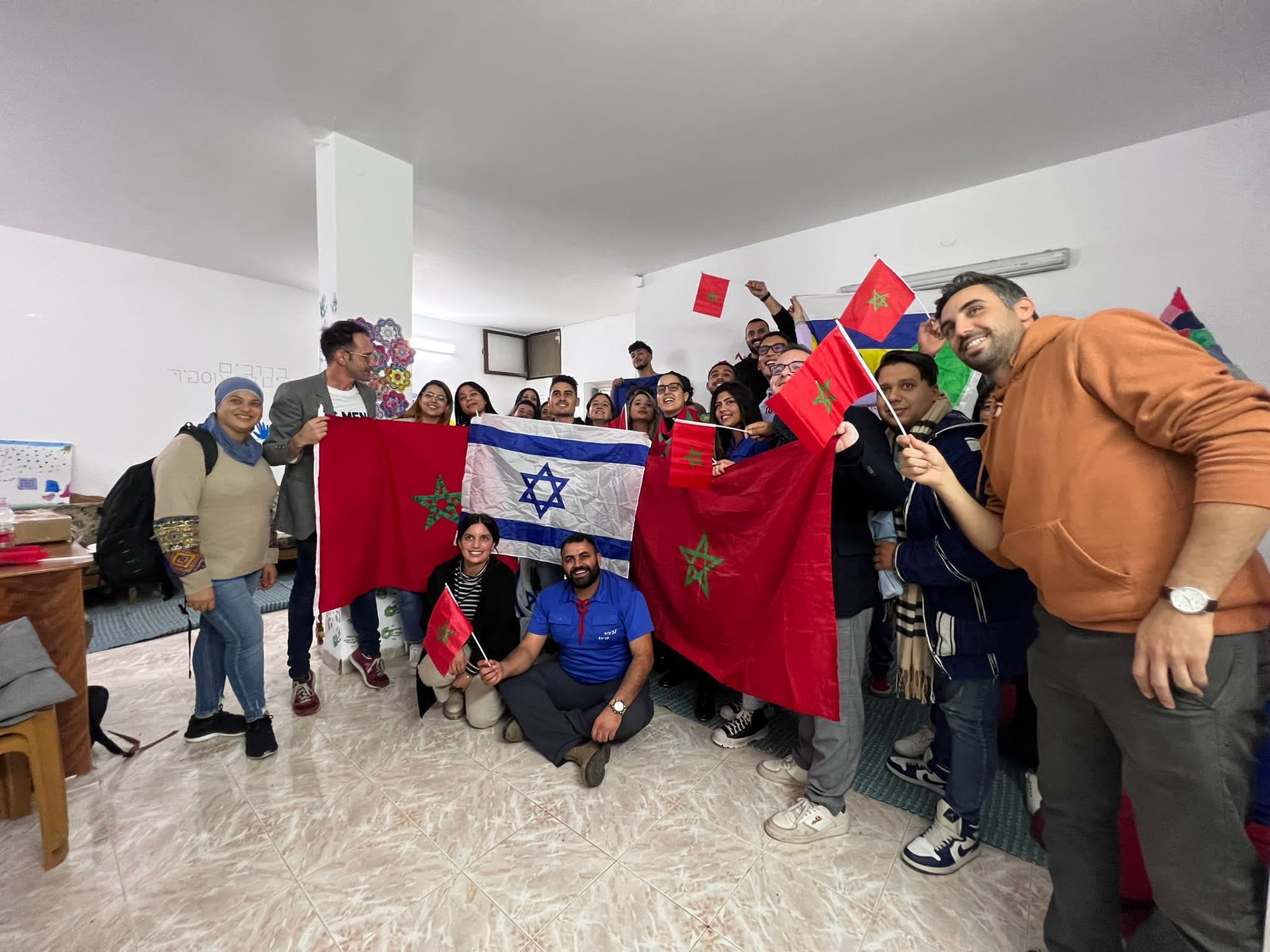
In contrast, the Abraham Accords — signed with the United Arab Emirates, Bahrain, Morocco, and Sudan — proved the opposite. They were not built on borders but on shared interests, openness, and mutual will to cooperate. Direct flights, reciprocal investments, educational and tourism projects — all these created a new reality in which Israelis and Arabs learn to know each other through collaboration, not through separation.
The difference is simple yet profound: those agreements were born from the belief that peace is built on closeness, not distance. They did not seek to manage the conflict but to change the dynamic. True peace in the Middle East cannot focus solely on the relationship between Israel and the Palestinians. It must be a comprehensive regional peace — one that includes Saudi Arabia, Syria, and Lebanon as well.
The vision must be of an open region — one in which a Saudi citizen can travel in the Galilee, an Israeli entrepreneur can open a business in Beirut, and a student from Gaza can study at Tel Aviv University. This is not a naïve dream — it is a strategic vision. A region with freedom of movement and shared interests is a region that is more stable, secure, and prosperous.
Even from a security standpoint, the reality is clear: Walls may provide a fleeting sense of safety, but over time they deepen hostility and fuel extremism. Regional cooperation — economic, technological, and even security-based — creates interdependence that reduces the likelihood of conflict.
In other words, the more we invest in bridges, the fewer fences we will need. The next peace will not be written on maps but expressed in actions. It will not be measured by the number of checkpoints removed, but by the number of doors opened.
To get there, we must change our starting point: not “how do we separate,” but “how do we live together.”
That is the greatest lesson of October 7th — and the greatest challenge of the future.