
The Paradox of Crisis: Coming Home
When a conflict erupts in a volatile region, its consequences rarely remain contained. The current confrontation involving Iran, whether it escalates further or shifts unpredictably, is already sending tremors across the globe. Its impact may ultimately be measured less in battlefield outcomes than in the global consequences now unfolding.
These repercussions move in several directions. One strikes at the global economy, energy flows, and food security; another reverberates through politics, public perception, and the safety of Israel and Jewish communities worldwide. Amid these pressures, a third dynamic is quietly emerging: a renewed focus on identity and home, even in the midst of chaos.
Economic Shockwaves: A World on Edge
History offers a stark lesson. Consider the aftermath of Russia’s invasion of Ukraine: markets plunged into uncertainty, energy prices soared, and food insecurity reached alarming levels. What began as a regional military conflict quickly evolved into a global economic crisis.
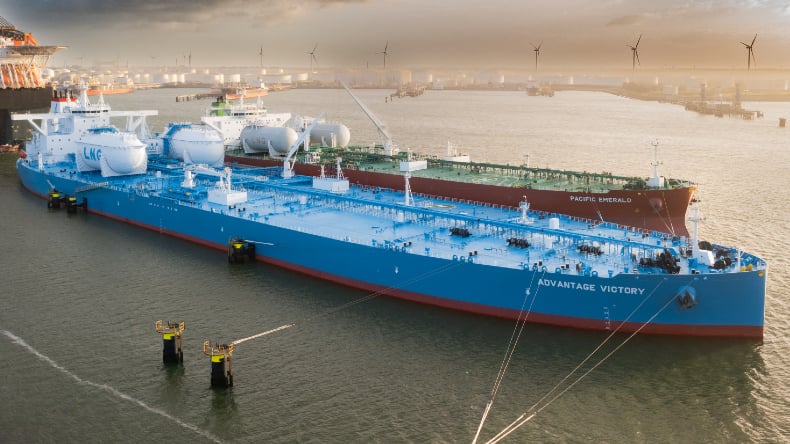
Iran, like Ukraine, occupies a pivotal position in global supply chains. As I write, the price of oil has surged, touching $120 per barrel, while the Strait of Hormuz remains effectively blocked. Any disruption in production or transport is felt almost immediately, cascading through transportation, agriculture, and industry. Household budgets across continents are already under pressure, and even limited interruptions in supply can produce far-reaching consequences. Unlike conflicts confined to a single region, a confrontation with Iran has the potential to affect ports, farms, and factories worldwide.
Political and Social Turbulence: The Return of the Scapegoat
Economic disruption, however, tells only part of the story. Conflicts reshape narratives, sometimes more forcefully than the fighting itself. Since the October 7 attacks carried out by Hamas, global opinion toward Israel has become sharply polarized. In many quarters, Israel is portrayed as the source of regional instability.
When hardship spreads, history shows that frustration often seeks a target. Narratives linking Israel to broader crises—economic or otherwise—have already gained traction. The resulting climate places Jewish communities worldwide at risk of being blamed for forces far beyond their control. Rising energy costs, disrupted livelihoods, and geopolitical tension may reinforce this pattern, reviving an old impulse to search for scapegoats in times of collective anxiety.
Anchoring Identity in Uncertain Times
Yet disruption can also clarify priorities. Crises that scatter communities may simultaneously drive a return to deeper anchors of identity. For Jews around the world, this moment is fostering renewed attention on Israel, both as a physical sanctuary and a spiritual home. International tension and rising hostility are narrowing the perceived distance between Diaspora communities and the Jewish state.
Geopolitically, the situation remains unpredictable. Iran’s military capabilities and regional alliances make any escalation difficult to predict. Yet amid global turbulence, the Jewish community is finding its footing. What may initially appear as upheaval can also become a catalyst for consolidation—a reminder of shared history and a call to resilience.
Looking Ahead: Finding Ground in Uncertainty
The interplay between global economic pressures and social tensions illustrates how deeply interconnected the modern world has become. Energy and food disruptions rarely remain isolated; they shape public sentiment and political narratives, which in turn influence social stability and communal identity.
As Israel navigates this precarious landscape, and Jews worldwide confront renewed challenges, there is a moment to pause and reflect. Difficult months may lie ahead, yet they also present an opportunity for reaffirmation—of home, community, and continuity.
History will record the turbulence of this period, but it may also mark a turning point: a time when global uncertainty drew people closer to what matters most, and when resilience was tested and ultimately reaffirmed. Even amid the most violent shocks, the human capacity to endure, regroup, and return remains unbroken.