Strangers and a house with sticky walls
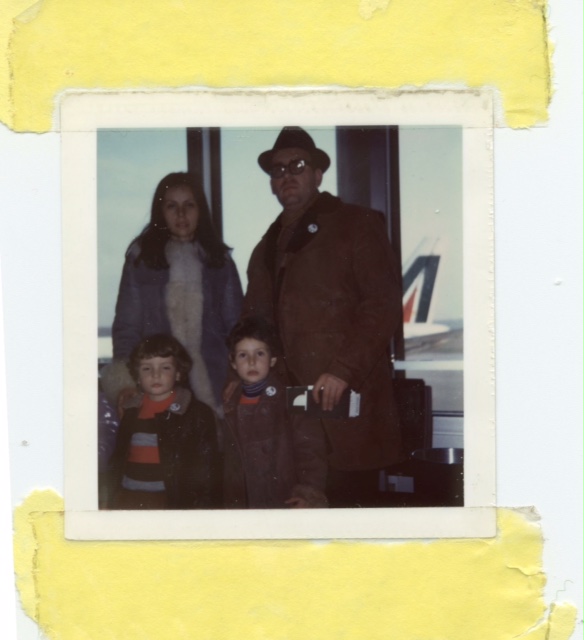
In July 1972, my parents packed up my two-and-a-half-year-old brother, four-year-old me, two suitcases and a single 100-dollar bill and embarked on a dangerous, clandestine journey from communist Hungary to the United States. With all the makings of a spy novel, we journeyed through Europe on trains, lodging in hidden houses, meeting mysterious strangers; angels whose identities my parents swore never to reveal. These people risked their lives to smuggle us and many others like us, from the Soviet-bloc countries to freedom in the West.
I can only imagine my 25-year-old mother and 30-year-old father’s fear as we sat in the back of a car in the middle of the night, my brother and I “sleeping”, heads covered in blankets at the Yugoslav-Italian border. The border guards glanced at the sleeping children as my father handed them travel documents that were “borrowed”, stating that I was six and my brother was eight years old.
They let us through.
Lucky.
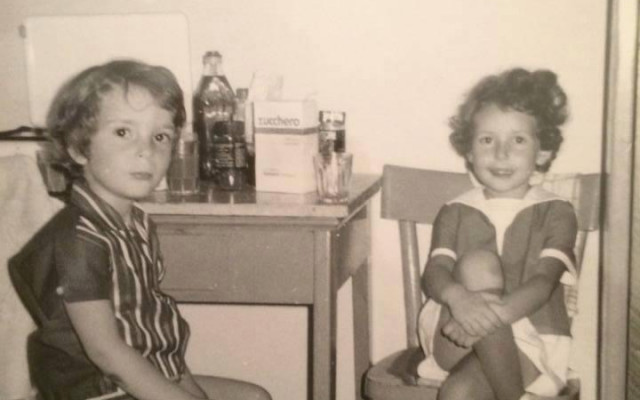
In Rome, we were stateless and refugees but we were free and safe. We spent three months in a pensione arranged and paid for by more “angels”. We arrived in Brooklyn in November 1972. My dad’s great aunt worked at the Jewish Theological Seminary and my dad was given a position as the assistant Rabbi at a synagogue. He barely knew English and my mother knew no English. She learned together with us.
Nonetheless, we were lucky immigrants. We had a place to live and enough money to buy food. In addition to his job at Progressive Shaare Zedek Synagogue and in exchange for our Jewish day school tuition, my dad taught in the afterschool program at East Midwood Jewish Center.
In the nearly 50 years since then, I rarely thought about those years.
Until this past week.
The pictures of refugee children from Eastern Europe triggered post-trauma that I had no idea that I had.
Flashback Budapest. I am lying in my bed in our apartment. I am happy. As a child, teen and even as a young adult, I recalled that image when I needed to feel “safe”.
Other less comforting images also infiltrated my thoughts.
Germany. I am standing on the steps of a train and my parents and brother had already disembarked. I hear the train’s whistle and it begins moving. HORROR. My dad grabs me and lifts me off the train. Nonetheless, those milliseconds haunted me for years.
Yugoslavia. The sticky house. We spent a few nights in a house where the walls were sticky. I don’t know why but I remember feeling terrified of that house.
Rome. We lived in a rundown old pensione. There were many people around. I don’t remember much but I was uncomfortable around some of those strangers…. Not sure why.
Brooklyn. My first day of nursery school. One of the teachers (Mindu) miraculously spoke Hungarian but other than what she said, I understood nothing and didn’t want to stay. Nonetheless, since I was four years old, my mother left me there, alone. She held my three-year-old brother’s hand, picked up a loaf of bread she must have bought and walked out. I was terrified.
Fifty years later, children from another Eastern European country are becoming refugees, once again because of Russia and this time it’s even worse. These children, unlike us, are fleeing from war, sirens, bombs, explosions and the physical destruction of their homes and cities.
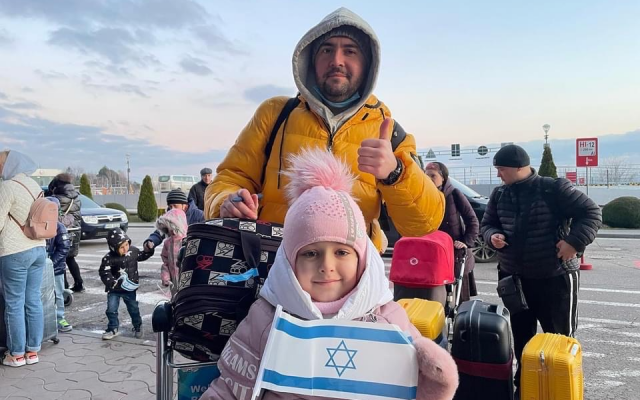
Fifty years later, I’m rounding up my town and my community to fill a few suitcases with some essentials and treats. Tomorrow, I will drive the suitcases to the airport and meet a delegation of 12 brave angels who will deliver its contents directly to the refugees on the Moldova-Ukraine border.
I am doing what I can but it feels so very inadequate. I can only hope as my friend Esther said as she handed me a couple of bags filled with medicines and pretty tights, “Maybe just one little girl will smile when she pulls up these new, dry, warm pink tights, bites into a piece of chocolate and reads a letter written by another little girl in Israel.”