The psychology of mimicry and imitation
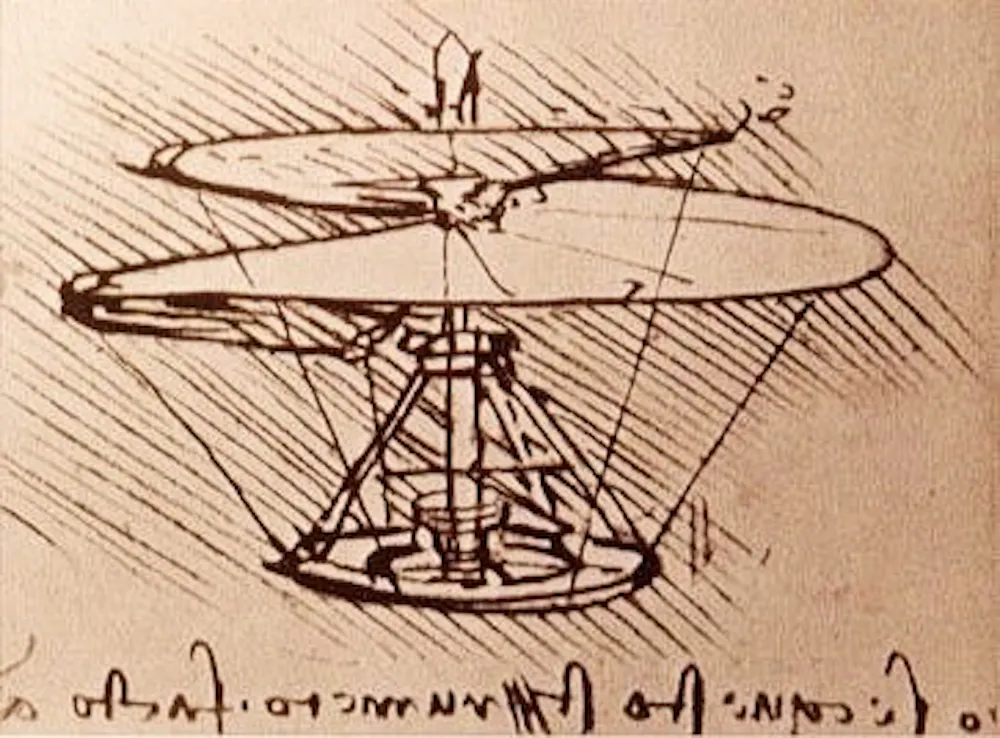
They say that imitation is the sincerest form of flattery. Sure, some imitation, some copying or mimicry, is flattering. But we have way too many people on this planet who just copy without coming up with a single original idea. Now, my high school philosophy teacher joked that the last person who had come up with an original idea was Gottfried Wilhelm Leibniz. Cringe, I know, but still, you get the point. It is indeed a valid question: do we come up with original ideas or do we just repackage old ideas, just using different words to match the new context and technology? Is it possible to actually come up with something new? Genius is about hitting the target no one else can see, about coming up with new ideas. But are there new ideas, really? I mean, take the Matrix. Plato’s allegory of the cave conveys a similar message about the illusory nature of reality. And so on, and so forth. Still, arguing if there are new ideas or it’s all just repetition and mimicry, that’s counterproductive. Leonardo Da Vinci envisioned a kind of helicopter several hundred years ago. What matters is what we build on the old foundation. The current context changes, even if the foundation’s been built hundreds or thousands of years ago.
That’s why I like creative writing, such as blog posts or opinion pieces. Translating court documents, for example, is no fun because every letter, every space matters, every nuance must be clarified and converted to another legal system/language. There’s no room for creativity or interpretation and, indeed, there can’t be. Re-writing the news without ever being mentioned as the author just sucks. If your name doesn’t appear next to your work, then what’s the point? Money, I know. It’s a job. Still, it’s a poor excuse, in my opinion. Without creativity, we’re like AI, basically. No original thought, our passions – a quotation (Oscar Wilde). I remember reading someone’s comment that in some religious groups out there women are discouraged from writing because it’s vain and women who write are promiscuous. No wonder more and more people see alien abductions not as abductions but as rescue missions to get off this psychiatric planet.
There are different levels of imitation and mimicry. Some people like a particular idea or a personality trait. A language mannerism. That’s cool. I like Senator Bernie Sanders’ speaking style. My accent isn’t the same as his (I like pronouncing my Rs), but that doesn’t matter. He is a clear and concise communicator. Just because I don’t agree with all he says is irrelevant. He’s a good communicator. That’s what interests me. Mimicking mannerisms is perfectly natural when it comes to language. We have a language model and we want to sound like this person in some respects. But it obviously doesn’t mean we want to become this person.
Accents don’t always reflect one’s identity. I’ve come across several people who sounded as American as it gets, but they’ve never been to the US and don’t have much in common with the US. Cartoons, international schools, family members, a good ear, all sorts of reasons. Yes, they’d make great spies, that’s for sure. I’ve read that the head of the Iranian unit countering Mossad was an alleged Israeli agent. The level of language and cultural expertise and prowess required for that to work is impressive, indeed, if not genius. One mispronounced word (shibboleth) was likely enough to be exposed as a foreign agent. When does one’s role end and one’s real self begin in situations like these? What if the two get entangled, just as an undercover cop might go rogue after playing the role of the ”baddie” for too long? That’s why ambassadors get recalled to their countries after five years abroad or so. To minimize the chance of them becoming too loyal to a foreign country. Identifying with the foreign state. Defeated, puppetized (colonized) states sometimes have the language of the victors imposed on them to the point where the conquered citizens imitate the language of the victors for favors. The language of the defeated is marginalized, even erased. It’s a humiliating, but well-known, process in history.
Diplomats, spies, politicians, and so on – mimicry in their case is understandable, even expected. Still, politicians faking local accents to appeal to some group is more cringe than not. Whatever the scenario, imitation doesn’t mean becoming a different person. The problem starts when there’s no or limited core sense of self and imitating is all one knows.
Which brings me to people who lack a stable sense of self. I find it particularly saddening because these people haven’t fully developed their identity or they have no identity at all, usually as a result of abuse in childhood or just being told their ideas don’t matter (invalidating parenting or neglected, even abandoned), and so on. So, they started focusing on others as their reference points to have any identity at all. They base their identity on other people and mimic them down to the tiniest detail. It’s actually creepy, not flattering at all, when you think about it. It’s like a person with no soul. George Ivanovich Gurdjieff, an Armenian mystic, once said, ”If you knew how many people around you are dead inside [have no souls], you’d go mad with terror.” Gurdjieff also asserted that without developing our soul potential by being introspective and inquisitive, we’d cease to exist after death.
I sincerely hope these people are going to be helped by God and will be given full personalities, identities, that divine spark, call it whatever you want. They’ve suffered way more than any human being should and they often are amazing people who feel things on a level most of us can’t even begin to imagine. We can only pray for them and hope they are in a loving and supportive environment. Maybe in the afterlife, if nowhere else, God will grant them their full personalities.