The perpetual cyberabbi!
The Torah We Read Is Never the Same
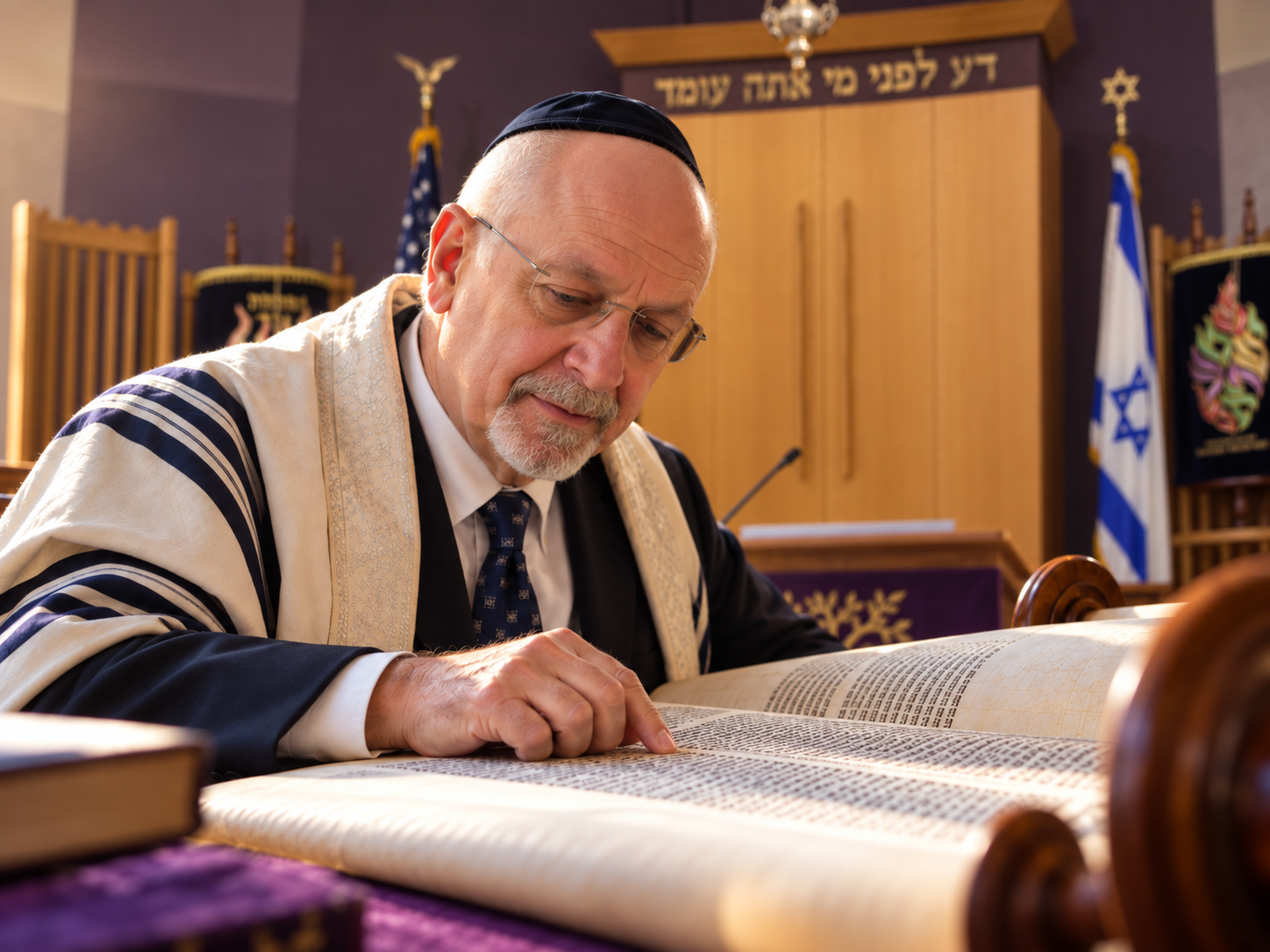
On Simchat Torah we perform a curious act. We arrive at the final verses of Deuteronomy, accompany Moses to the end of his life, complete an entire year of reading, and then, almost before the ending has had time to settle, we open another scroll and hear the first words of Genesis. Bereshit bara Elohim. In the beginning.
It would be easy to see this simply as the machinery of a liturgical calendar: one cycle ends and another begins. But the speed with which Judaism moves from the last word to the first suggests something deeper. The Torah is not a book we finish. It is a text we return to because we ourselves are unfinished.
We are accustomed to treating completion as evidence of competence. We finish the course. We read the book. We master the material. We earn the degree. We check the box and move on. The Torah resists that logic. We reach the end and discover that the end is not an exit. It is an invitation to return. The words are the same. We are not. A verse that passed almost unnoticed one year can become unavoidable the next. A story that once seemed simple may become morally complicated after loss, age, disappointment, parenthood, illness, joy, or grief. The text has not changed. The reader has.
That may be one of the deepest lessons of Simchat Torah. The cycle refuses the illusion that we have mastered the text. We return because we have changed, and therefore the Torah we encounter is never quite the same.
This year, the convergence is especially rich. Simchat Torah coincides with Shemini Atzeret and Shabbat. Three sacred rhythms meet in a single day.
Shemini Atzeret is itself a kind of refusal to rush away. After the expansiveness of Sukkot, tradition asks us to remain one more day. Not because there is more to accomplish, but because relationship is not measured only by activity. Sometimes holiness is found in staying.
Shabbat adds another layer. It asks us to stop doing, stop producing, stop controlling, and simply inhabit sacred time. We cease striving long enough to notice what we have become.
And then there is Yizkor. On the very day when we begin the Torah again, we pause to remember those who are no longer here to begin it with us. Yizkor makes the point unavoidable. We do not begin again empty-handed. We bring our dead with us. We carry the people who taught us, disappointed us, loved us, challenged us, and shaped us. We carry the mistakes we made and the questions we failed to ask. We carry the losses that altered the way we hear familiar words.
So when we return to Bereshit, we do not return as we were. We return older. Perhaps wiser. Certainly more complicated. That is why the joy of Simchat Torah is not merely the joy of completion. It is the joy of being given another chance to listen. If the goal were simply information, once through would be enough. But Torah is concerned with formation. The question is not only, “What does this text mean?” It is also, “Who am I becoming as I return to it?” There is humility in that. To begin again is to admit that we did not understand everything the first time. Or the second. Or the twentieth.
We are accustomed to treating certainty as a sign of seriousness. We state positions, defend conclusions, and move quickly toward answers. Simchat Torah offers a different discipline: return to the text. Read again. Ask again. Notice what you missed. Not because truth changes with every mood, but because human beings are limited readers. There are things we cannot see until life has prepared us to see them.
That question becomes especially powerful at the beginning of Genesis. “In the beginning” can sound like a phrase about the distant past. But on Simchat Torah it becomes personal. What might I hear this year that I was not yet able to hear last year? What difficult teaching am I finally ready to face? What question have I been avoiding because I preferred the comfort of an answer I already knew? The Torah does not spare us from those questions. It gives us somewhere to bring them. And that is the gift of this unusual day, when Shabbat, Shemini Atzeret, and Simchat Torah converge.
We stop. We remember. We complete. And then we begin again. Not as the people we were last year. As the people we have become.
Related Topics
Related Posts