This Way Up: Spiritual Means to Psychological Ends
The Weight of Guilt: A Bridge Between Torah and Tao
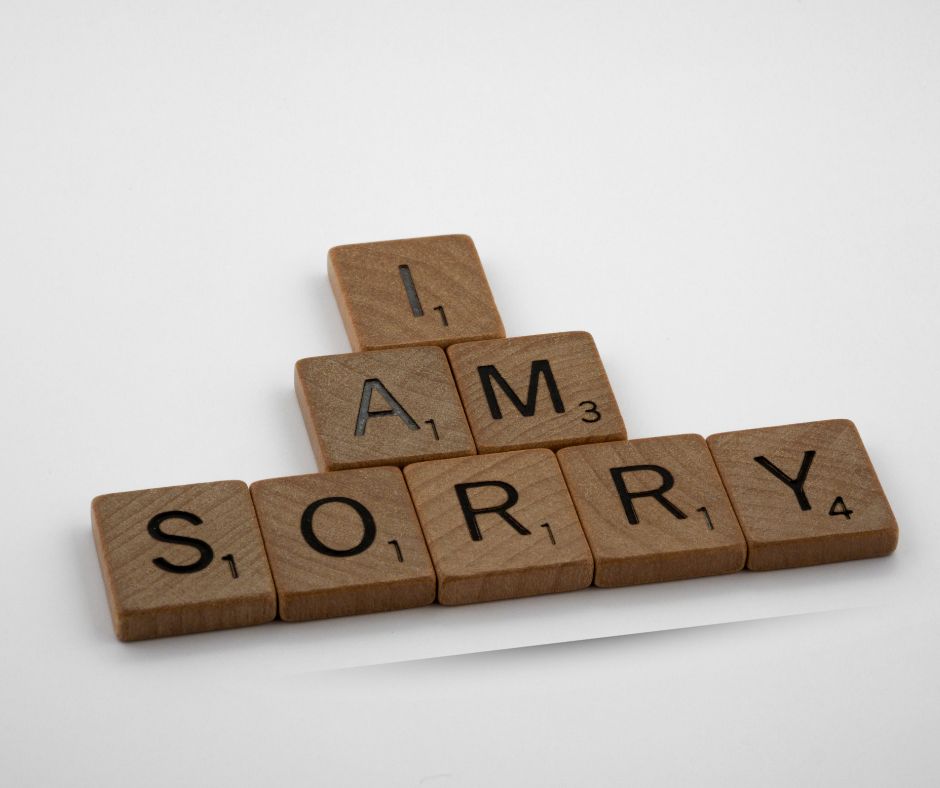
Image courtesy of Canva.com
Guilt is one of the heaviest emotions we carry. The Bible captures this poignantly in the story of Cain and Abel, when G-d warns Cain: “Sin coucheth at the door” (Genesis 4:7). That phrase, Dr. Ofer Baranovitch reminds us, suggests that guilt lies heavily at the threshold of human experience, pressing down on the soul like a weight upon the shoulders.
Baranovitch, a physician trained in both Traditional Chinese Medicine (TCM) and Jewish thought, has written about guilt and its impact in his TCM text entitled, Stages, Levels Envelopes: Integrating Classical Models of Chinese Medicine. His insights reveal a fascinating meeting point between Torah and Tao — two great traditions that both recognize guilt not just as a legal or moral concept, but as a force that shapes health, balance, and human flourishing.
Guilt as Heaviness
In Hebrew, the word for guilt, asham (אשׁם), shares letters with words meaning load and burden. To feel guilty is to be weighed down, sometimes to the point of physical illness. Chinese medicine would describe this as stagnation: an excess that obstructs the free flow of qi, leaving the body and spirit heavy, tired, and weak.
But heaviness is not simply negative. It signals that something needs attention. Guilt, when acknowledged, becomes a compass pointing toward responsibility and repair.
Acceptance and Transformation
Baranovitch draws a striking parallel between Jewish ritual and TCM principles of cleansing. In the Temple era, guilt was not ignored but faced head-on. The korban asham, the guilt offering, provided a structured way for individuals to acknowledge wrongdoing and release its burden. In rabbinic thought, guilt is compared to impurity: a vessel must first accept impurity before it can be purified.
In modern therapeutic language, this means that the first step is not to deny guilt but to accept it fully. Only then can it be transformed — whether through confession, ritual, therapy, or the slow work of making amends.
The Guilty Self and the Serpent Self
Baranovitch describes two inner voices:
-
The guilty self, always judging, prodding, urging us to do better.
-
The serpent self, instinctive and anti-moral, rationalizing and resisting conscience.
Life becomes the stage on which these two forces wrestle. Here, Baranovitch draws on Hebrew numerology which associates each Hebrew letter with a numerical value: the value of all the letters in the word asham (guilt) is 341, the value of nachash (serpent) is 358. The difference is 17 — the value of the word tov (good). Goodness, then, is born out of the tension between conscience and instinct.
Chinese philosophy would not be surprised. Yin and Yang, too, are opposites, but also complementary forces whose interplay generates life. Likewise, guilt and instinct are poles of a spectrum that we must navigate — too much serpent leads to indulgence, too much guilt to paralysis. Balance lies in moving between them without getting stuck in either extreme.
From Torah to Tao — A Shared Wisdom
Both traditions agree: guilt must not stagnate. If it sits unresolved, it weighs us down and makes us ill. If it is faced, acknowledged, and transformed, it becomes a source of growth.
In Jewish practice, Yom Kippur dramatizes this truth. On that day, every individual stands before G-d without guarantees, stripped of excuses, carrying only his or her own deeds. Addressing sins and making amends leads to the resolution of guilt. In Chinese medicine, healing comes when blockages are released, circulation is restored, and energy flows freely again.
These are not identical systems, but they resonate. Each insists that wholeness is only possible when we address that which is uncomfortable and work towards repair.
Toward Renewal
For Baranovitch, guilt is not a crushing weight to be avoided. It is a teacher. When we allow it to speak, we hear the call to responsibility. When we honor it, we find pathways to healing. And when we transform it, we move closer to the wholeness both Torah and Tao envision.
This is one more reminder that Jewish and Chinese traditions — though separated by geography and language — share deep insights about what it means to be human. Both insist that even our heaviest burdens can become sources of light, if we are willing to face them with honesty and courage.
Related Topics
Related Posts