
The West Delayed on Iran and the Costs Were Human
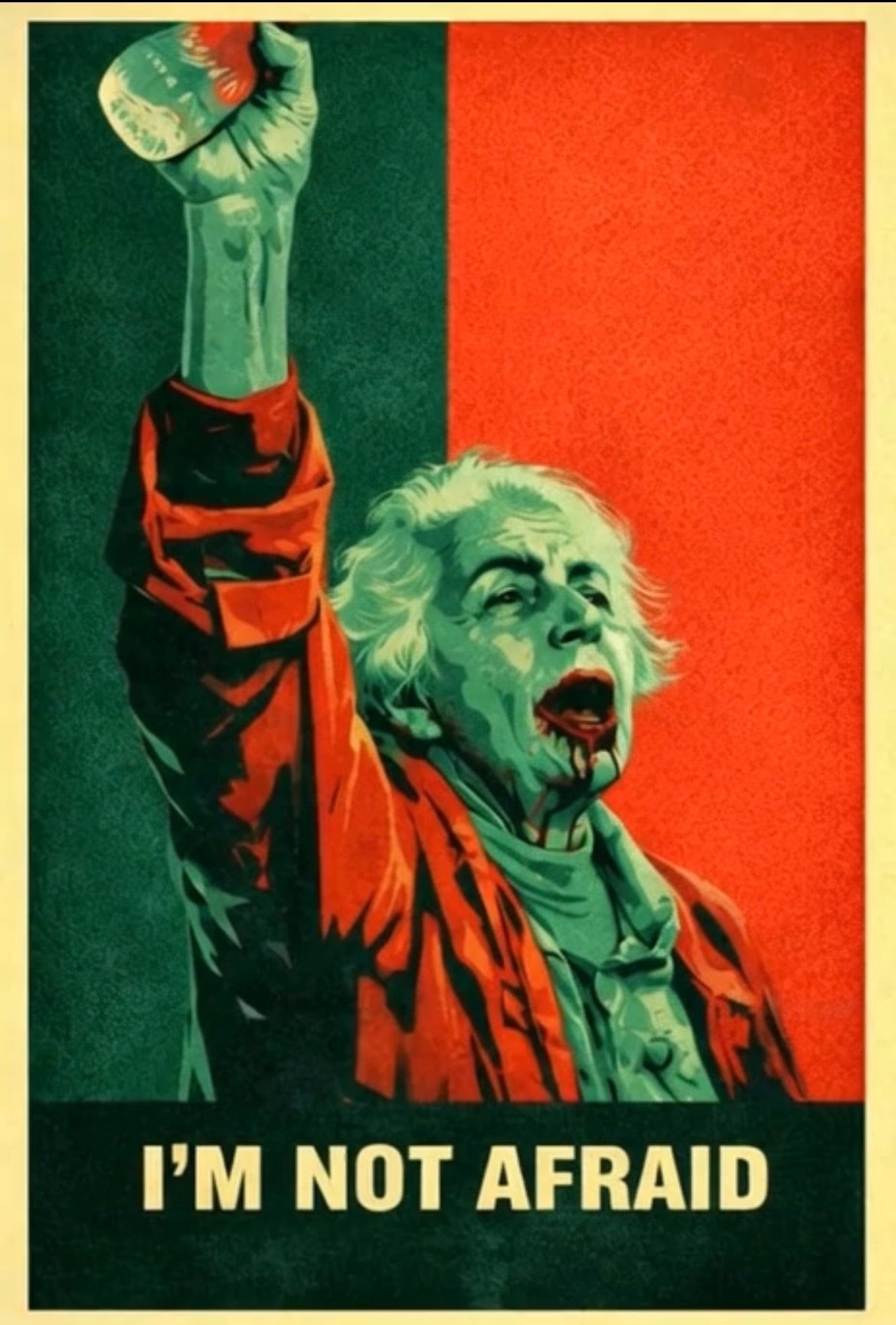
For decades, the Islamic Republic of Iran has financed, directed, and exported terrorism beyond its borders. That record alone should have compelled decisive Western action long ago. Instead, the response was delayed, fragmented, and cautious, even as Iranian aggression targeted Western forces, civilians, and allies across multiple continents.
This failure did not begin as a humanitarian lapse. It began as a failure of basic state responsibility.
From the early years of the Islamic Republic, Iranian-backed networks carried out attacks abroad, operating through the Islamic Revolutionary Guard Corps and its proxies. These attacks were not isolated incidents. They formed a coherent system designed to provide deniability while preserving command and control. The threat was not confined to distant regions. Iranian-linked cells operated within Western nations themselves, conducting surveillance, facilitating financing, and preparing attacks. This was a direct internal security concern.
At that stage, the question facing Western governments was not ideological. It was operational. A regime attacking Western interests abroad while maintaining covert networks inside Western societies continued to be treated as a conventional state actor. That choice requires explanation.
The delay cannot be attributed to lack of evidence. The pattern of Iranian-sponsored terrorism was visible in real time. Nor can it be explained by uncertainty about responsibility. The proxy model was intentional and well understood. Western policy nevertheless defaulted to legalism and caution. Terrorism was compartmentalized into discrete incidents rather than recognized as a centralized system. Even by the narrow standard of protecting their own citizens, Western governments failed.
The West hesitated in part because it prioritized stability over the risk of wider conflict. Having hesitated when its own security was at stake, it hesitated again when Iranians paid the price at home.
The Islamic Republic did not gradually become extremist. It consolidated power through repression immediately after the revolution. Political rivals were eliminated, journalists silenced, women stripped of rights, minorities persecuted, and executions carried out early in the regime’s life. Violence against Iranians came first.
There were moments when the divide between the regime and the people became unmistakable. In 1999, student protests were crushed. In 2009, millions of Iranians took to the streets after a disputed election, asking a simple question about the legitimacy of their vote. The response was force. Later nationwide protests in 2017 and 2019 spread beyond elites and into working-class communities. Hundreds were killed. Thousands were detained. Internet access was cut to conceal the scale of the repression.
In 2022, any remaining ambiguity collapsed. Following the death of Mahsa Amini in the custody of Iran’s morality police, women led a nationwide rejection of the regime’s moral authority. Hijabs were burned. Schoolgirls confronted officials. Families joined openly, aware of the consequences. The response was deliberate brutality. Women were targeted. Children were not spared. The message was clear: dissent would be extinguished.
Western reactions followed a familiar pattern. Statements were issued. Sanctions were calibrated. Careful language replaced consequence. The machinery of repression remained intact.
During a subsequent wave of unrest, expectations were again raised. Former United States President Donald Trump publicly told Iranian protesters that help was on its way. Those remarks were widely reported and closely watched inside Iran. For many risking their lives in the streets, such words carried meaning. They did not translate into protection. The regime endured, repression followed, and the cost continued to rise.
As of this writing, that pattern appears to be shifting. Western governments are not only taking belated political action but adjusting military posture as well. Significant forces have been positioned in and around the region in response to escalating tensions with Tehran. This does not resolve the failures that preceded it, but it underscores a reality long avoided. Iran was not merely a diplomatic challenge. It was a security threat.
The Middle East now sits on a razor’s edge, the predictable result of sustained Iranian aggression combined with years of Western hesitation.
Designating the Islamic Revolutionary Guard Corps is necessary. It is not redemptive. Recognition after decades of evidence does not erase the cost of delay. The West did not misunderstand the Iranian regime. It understood it slowly, while others paid the price.
What matters now is whether clarity finally leads to consequence, or whether hesitation once again becomes policy.