
‘They Will Not Silence Me’: The Voice of Marzieh Hamidi That Crosses Borders
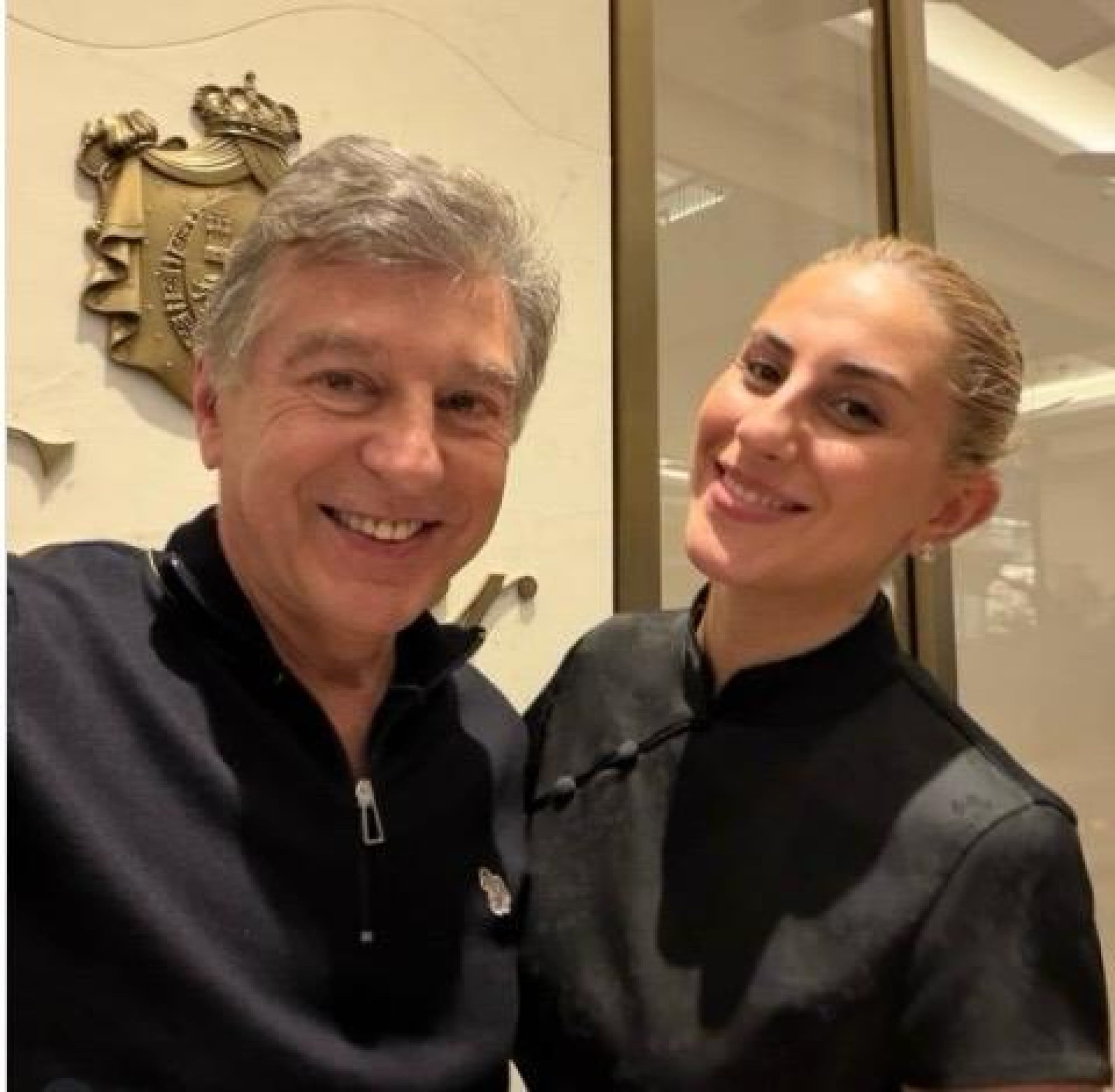
On the night of August 17, the Arthur Rubinstein Theater at Hebraica São Paulo hosted Iranian-Afghan journalist and activist Marzieh Hamidi for the event “They Will Not Silence Me: A Voice That Crosses Borders”, organized by the club in partnership with movements and organizations such as PinforPeace and StandWithUs Brasil.
Claudio Lottenberg, president of CONIB, vice-president of CJL, and commissioner of the World Jewish Congress (WJC) for combating antisemitism, reflected on the meeting with the activist on his social media:
Last night I had the opportunity to speak with Marzieh Hamidi, a young Afghan athlete who transformed her story of exile into a courageous struggle for freedom and women’s rights. Even while living under threats and police protection in France, she chose not to remain silent in the face of extremism and intolerance. Our conversation left me with a reflection: freedom can never be considered definitively won. There are moments when defending it requires courage, choices, and personal sacrifice. And human rights are only truly universal when we are able to defend the freedom of those who do not belong to our own group.
More than a personal testimony, the event was a call to reflect on the strength of women who, even under oppression, refuse to remain silent. Marzieh’s story is marked by displacement, loss, challenges, and above all, the choice to transform her own voice into an instrument of resistance.
Exiled, an elite taekwondo athlete, and a human rights defender, Marzieh Hamidi has become one of the voices exposing the reality faced by women and girls under Taliban rule in Afghanistan. Her journey reveals how courage can take many forms: on the mat, in words, in exile, and in the decision to keep fighting even when speaking out may mean risk.
By sharing her experience, Marzieh brought to the forefront a question that transcends Afghanistan’s borders: what happens when freedom of expression is threatened and women’s rights become a target? Her answer lies in her own path. Remaining silent is not an option when a voice can illuminate what many prefer not to see.
The meeting also highlighted women’s resistance under oppressive regimes and the challenges faced by those who fight to preserve their autonomy, dignity, and right to choose their own path. In times of intolerance and setbacks, stories like Marzieh’s remind us that the defense of human rights begins with the determination not to accept injustice as destiny.
At Hebraica, her voice found an audience willing to listen, reflect, and engage. The conversation touched on themes such as freedom, human rights, gender oppression, and the global challenges of protecting those who dare to speak out against tyranny.
They Will Not Silence Me was not just the title of an evening. It was a statement of principles. Marzieh Hamidi’s story shows that borders may separate countries, but they need not separate voices. And when a woman refuses to be silenced, her courage can cross continents—and inspire others to choose freedom as well.
Source: Brazilian Jewish Confederation (Conib)