I believe in independent, clear, and courageous journalism – especially where injustice is being silenced
Traces of Jewish Heritage — The Enchanting Village of Lailashi in Georgia
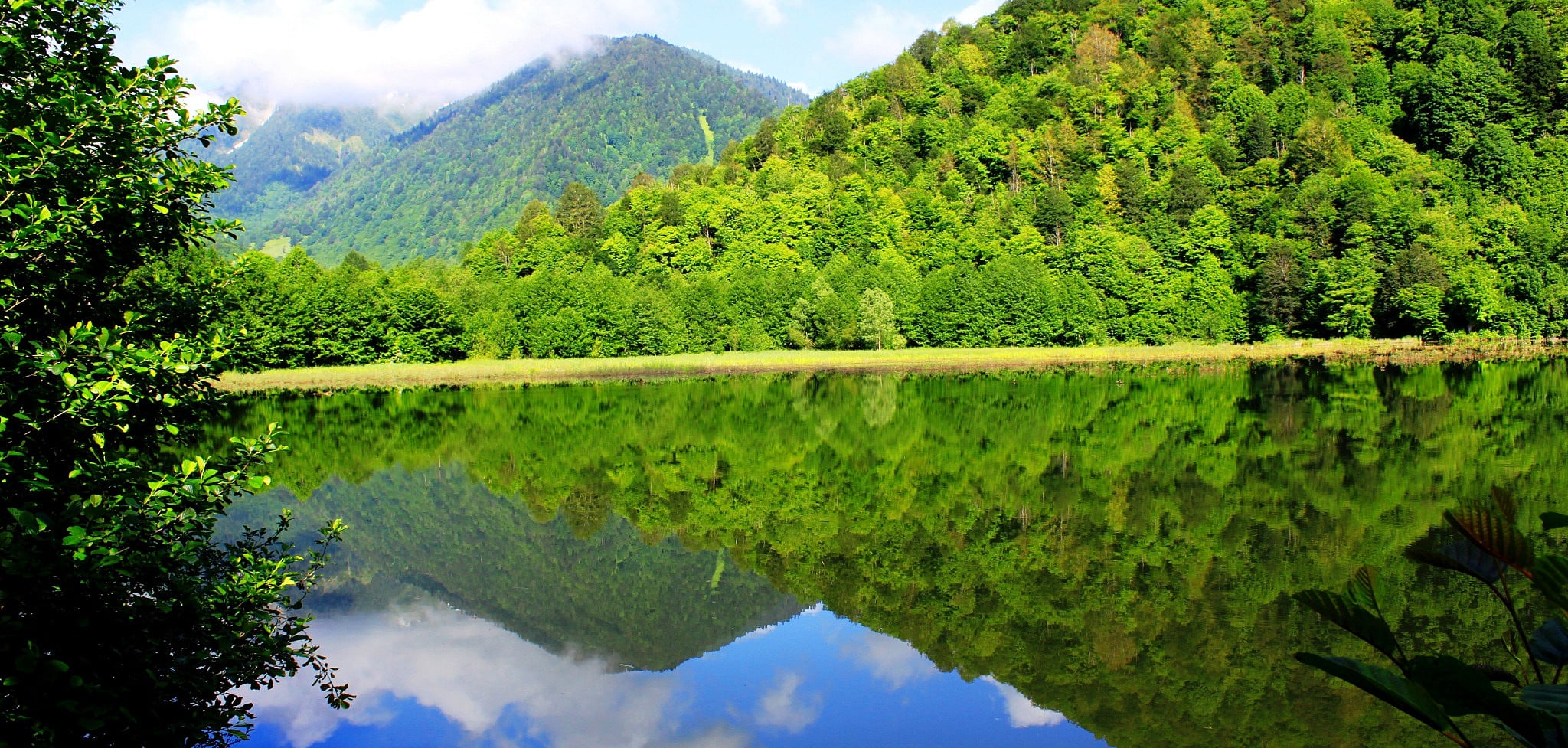
Georgia’s Lechkhumi region - via Twitter
High in the mountains of Georgia’s Lechkhumi region, at an elevation of 850 meters above sea level, lies the picturesque village of Lailashi. Surrounded by dramatic ridges, lush forests, and crystal-clear mountain air, this tiny settlement has preserved an atmosphere of timeless serenity. Yet Lailashi is not only about breathtaking nature—it carries the weight of a remarkable past.
For centuries, Georgians and Jews lived side by side here, shaping a community defined by tolerance, shared traditions, and cultural exchange. The old synagogue of Lailashi, still standing proudly in the heart of the village, serves as a silent witness to this coexistence and to the once-vibrant Jewish life that flourished in the highlands.
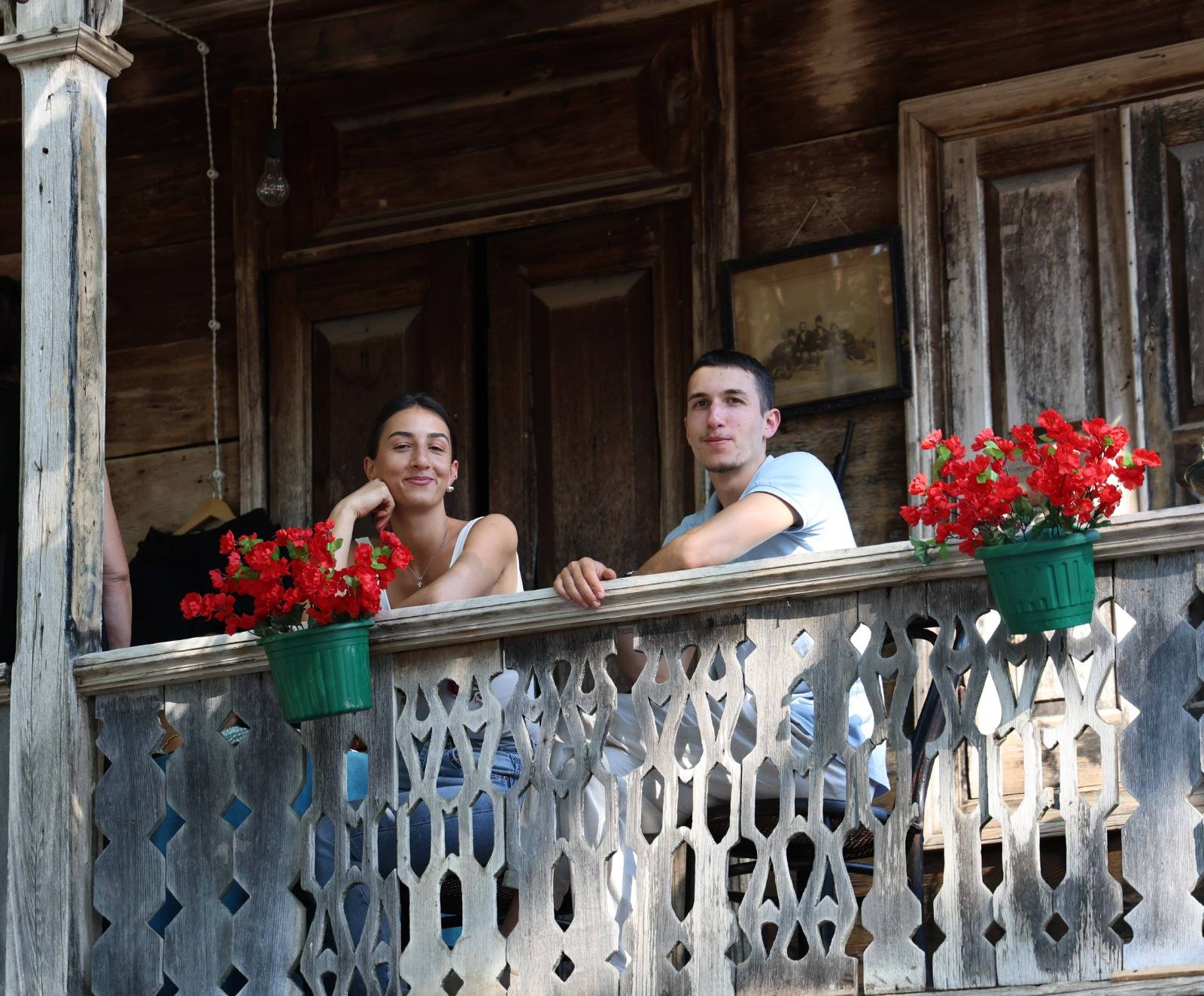
Today, visitors who walk its quiet streets encounter more than just scenic beauty—they step into a place where the natural landscape and the intertwined heritage of two peoples tell a story of resilience, faith, and harmony.
A Legend of Origins
Historical records first mention Lailashi in the 18th century. Yet, its story goes back earlier — to the 16th century, when Turkish forces captured Akhalkalaki. Fleeing the violence, Jewish and Armenian refugees escaped from Samtskhe-Javakheti and sought safety in the remote highlands of Lechkhumi.
According to legend, they arrived at the site at night, guided by the light of the moon. Captivated by the moonlit mountains, they named the place Lailashi — from the Hebrew word laila, meaning “night” and Georgian shi meaning “in”.
For centuries, four communities — Georgians, Jews, Armenians, and Greeks — lived here side by side. Local tradition recalls no conflicts, not even minor disputes, among them.
The Jewish Footprint in Lechkhumi
Historian Davit Kopaliani notes that Jews settled in Georgia nearly 26 centuries ago, first in Svaneti before moving into Lechkhumi. One nearby village was named “Tabor,” after Mount Tabor in Israel.
The Jews of Lailashi were known as honest craftsmen, diligent farmers, and talented traders. Though they adapted well to their new home, they never lost the longing for their ancestral land.
By the early 20th century, the village had almost equal numbers of Georgians and Jews — about 120 Georgian and 100 Jewish households, while Armenians and Greeks were fewer.
In 1913, when a fire broke out at the Jewish market on a Saturday, Jewish men could not work to save their property because of the Sabbath. It was Georgians who fought the fire to protect their neighbors’ belongings, a story still remembered as a symbol of solidarity.
The Lailashi Bible — A Priceless Treasure
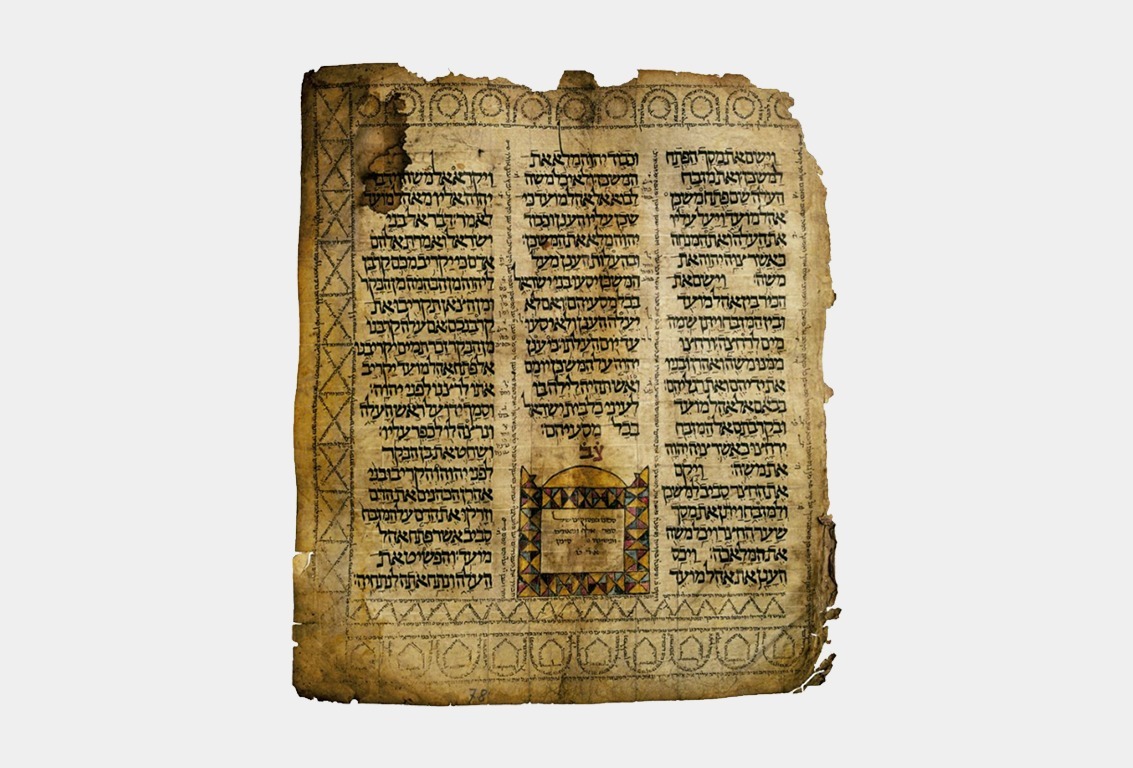
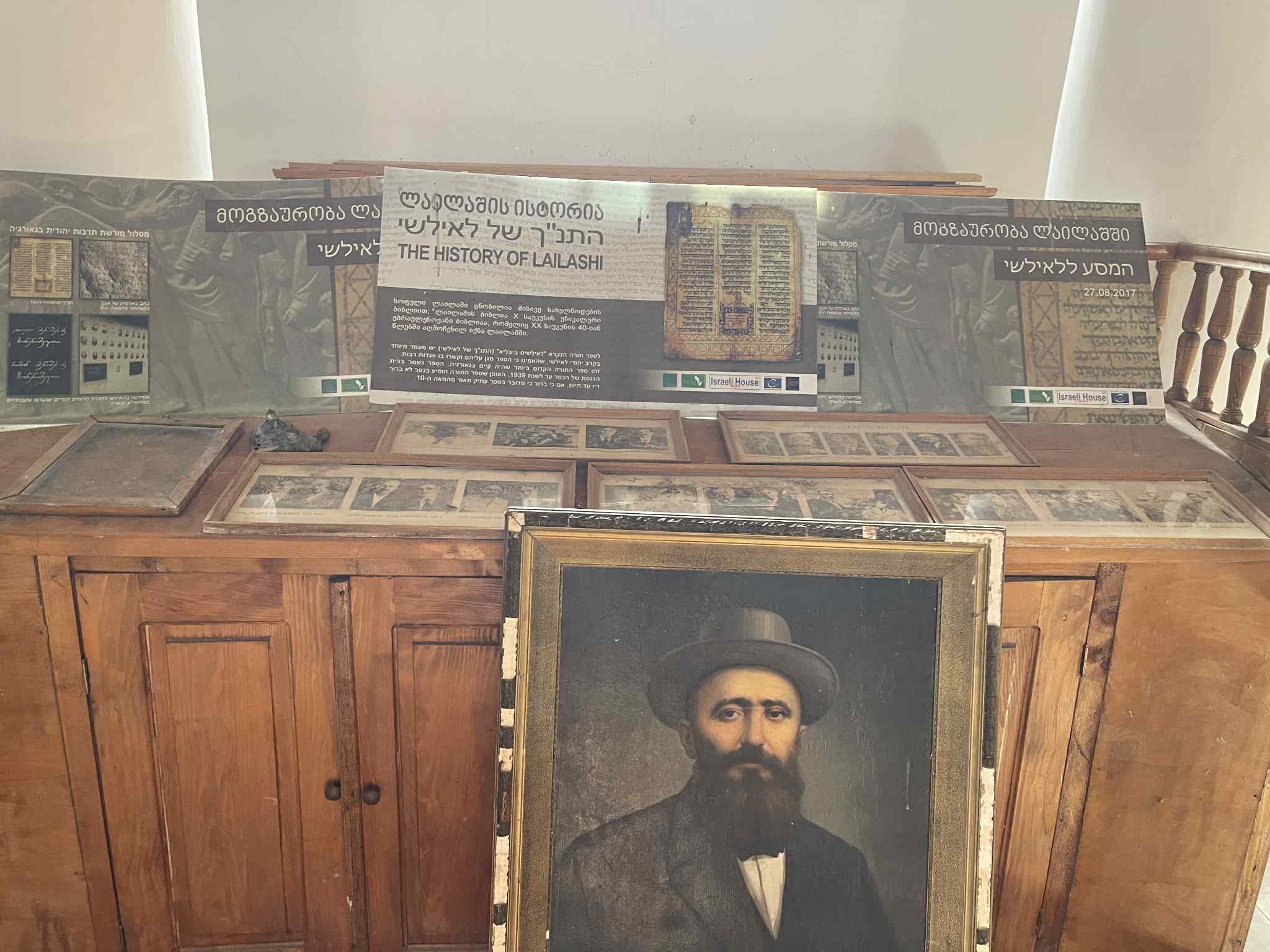
One of Georgia’s rarest manuscripts was discovered in Lailashi: The Lailashi Bible, a Hebrew manuscript dating to the 9th century. Written on parchment, it consists of 169 folios, containing the Five Books of Moses, the Masorah, and commentary, decorated with colorful geometric designs.
Scholars regard it as an invaluable treasure, with only three or four such manuscripts known to exist worldwide. Today, the Lailashi Bible is preserved at Georgia’s National Centre of Manuscripts in Tbilisi, though much of its content remains unstudied and mysterious.
Lailashi Today — A Living History
On August 17, 2025, the municipality of Tsageri organized the festival “The Century-Long Chronicle of Multiethnic Coexistence in Lailashi.” Exhibitions of local crafts, winemaking, cuisine, and family photo archives were held throughout the historic village.
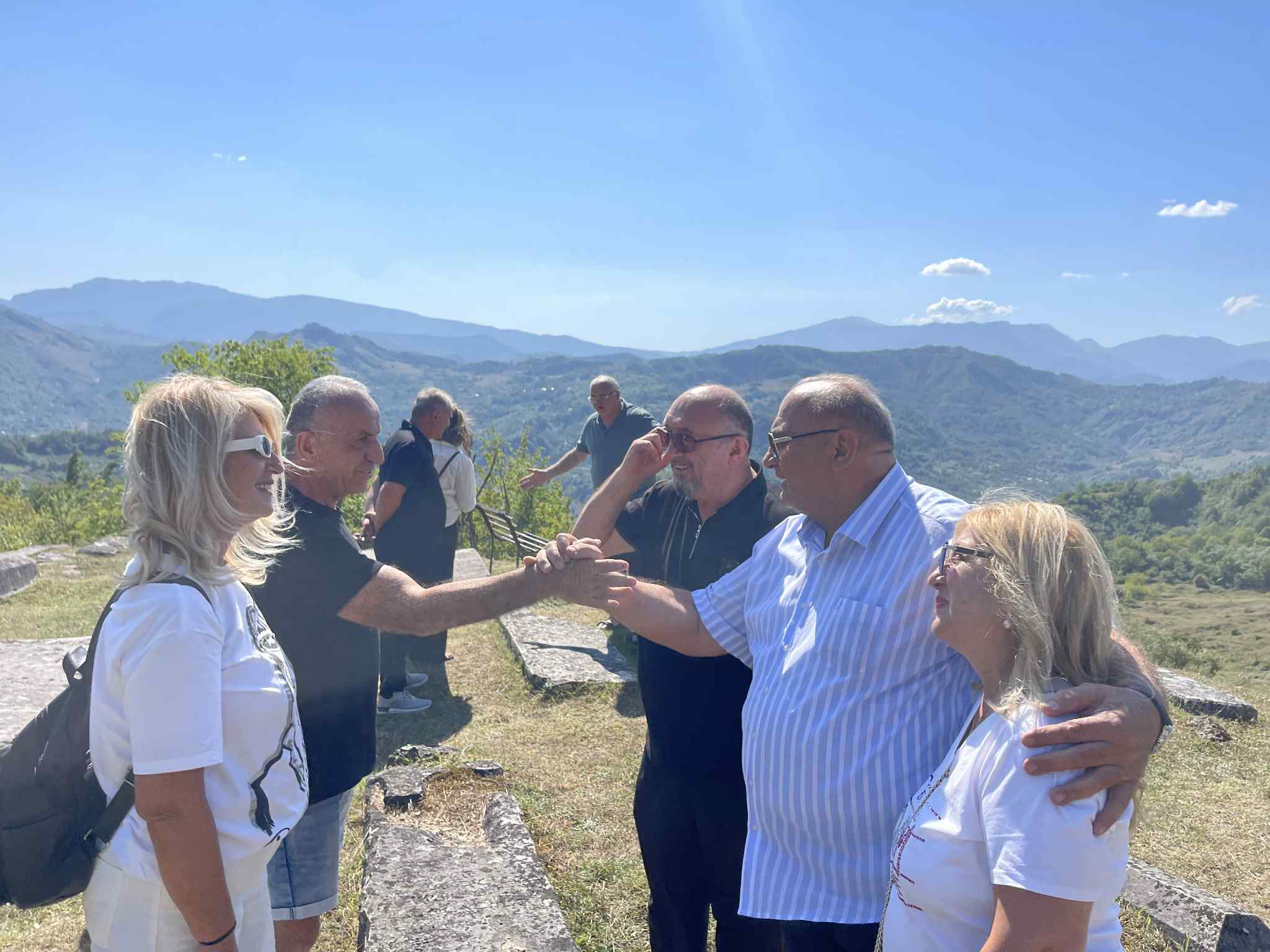
Among the guests were Georgian Jews who had specially traveled from Jerusalem for the occasion — Michael Shimshilashvili with his wife, Lea Shimshilashvili, accompanied by about ten friends. The people of Lailashi warmly welcomed them, and several events were held in their honor.
ანა კოლმა რომ წამიყვანა ბეერ-შევაში ქორწილში, იქ გავიცანი ქართველი-ებრაელი გმირის, იციკ ბუზუკაშვილის ბიძა – მიშა შიმშილაშვილი. იერუსალიმში მეორედ ჩასვლაზე მის ოჯახს ვესტუმრე. ეს დღეები მიშა მეუღლესთან და რამდენიმე მეგობართან ერთად საქართველოშია. დამპატიჟეს ლაილაშში, ისინი თავის მხრივ, ადგილობრივმა ადმინისტრაციამ მიიწვია. ეს კი არის კადრები დახვედრისა, სიყვარულისა და ჩახუტებისა. ასეთი ბედნიერი ემოციები და ურთიერთობა საარაკოა –რამხელა სითბო და სიყვარული უნდა გქონდეს დათესილი ასე რომ დაგხვდნენ. მთელი სოფელი ფეხზეა ამ სიტყის სრული მნიშვნელობით.. და ეს ვართ ქართველები – სიყვარულის, მშვიდობის, მეგობრობისა და ჩახუტების შემოქმედები. ასე იყო და ასე იქნება ეს! ლაილაში კი ყიფილა ზღაპარი. ადგილობრივების გზავნილებზე, სინაგოგაზე, მიღებაზე, დახვედრაზე, მასპინძლობაზე ვრცელ სიუჟეტს მოვამზადებ. მანამდე კი ამ კადრებით დატკებით. ????????
Posted by Michael Khachidze on Sunday, August 17, 2025
Together, the Georgian Jews who arrived from Jerusalem and the local community visited the Lailashi synagogue, which still stands in the center of the village, restored and preserved to this day.
The celebrations culminated in a concert with Georgian songs, dances, and poetry, blending cultures in a vivid celebration of shared history.
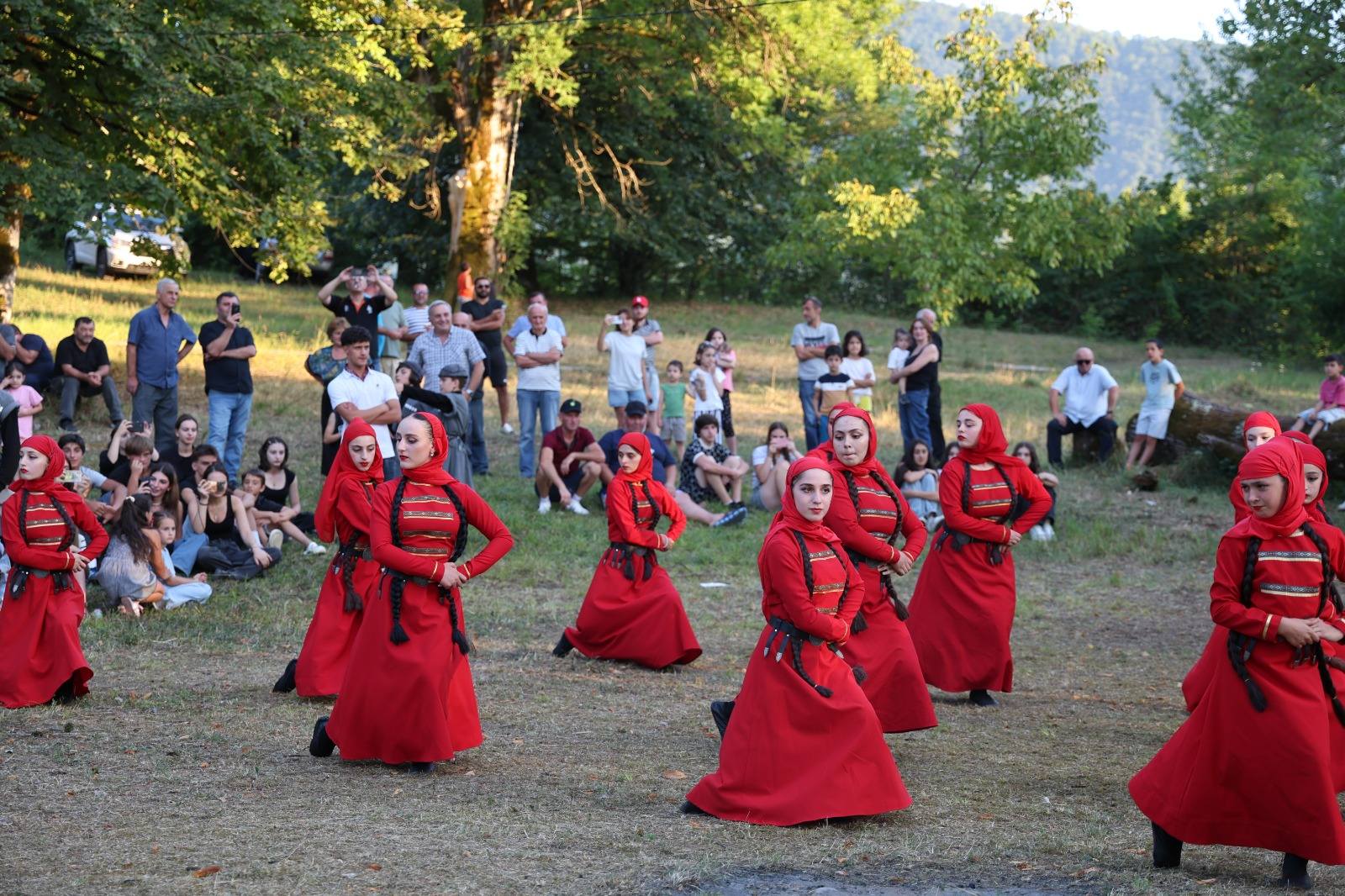
On this day, a decision was made to establish a lasting tradition: from now on, the festival of Lailashoba will be celebrated every year during the third week of August. The annual event is meant not only to honor the rich cultural and historical heritage of the village of Lailashi, but also to bring together locals, guests, and members of the Georgian and Jewish communities in a spirit of remembrance, friendship, and continuity.
A Hidden Tourist Gem
Today, Lailashi attracts visitors not only with its history but also with its natural beauty. A pool built by the Jewish community near the Oqronishi spring offers stunning panoramic views over the Ladjanuri gorge. After its recent restoration, this long-forgotten spot looks more enchanting than ever.
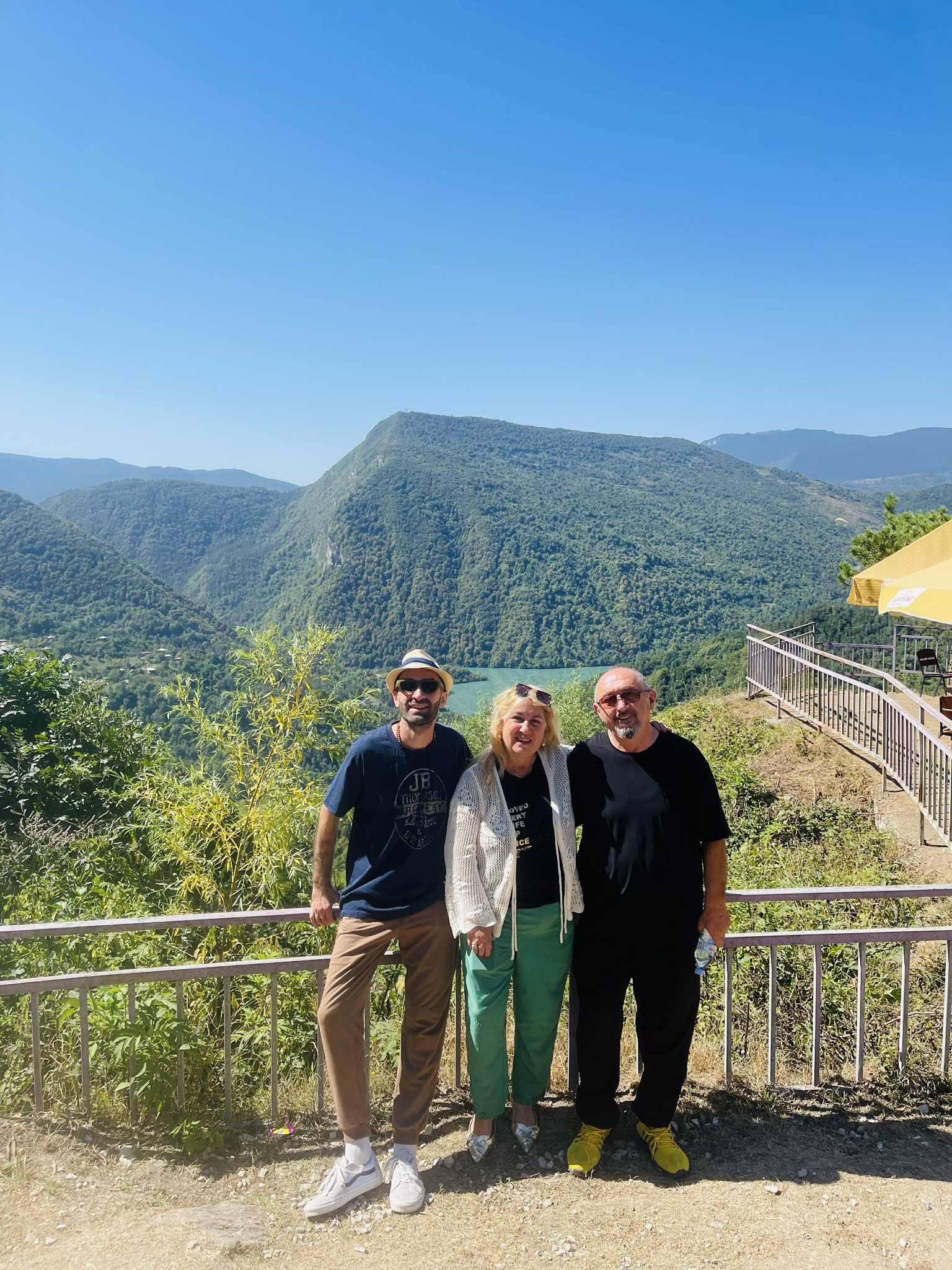
Photos of the pool have gone viral on social media, drawing widespread curiosity and making Lailashi a must-visit destination.
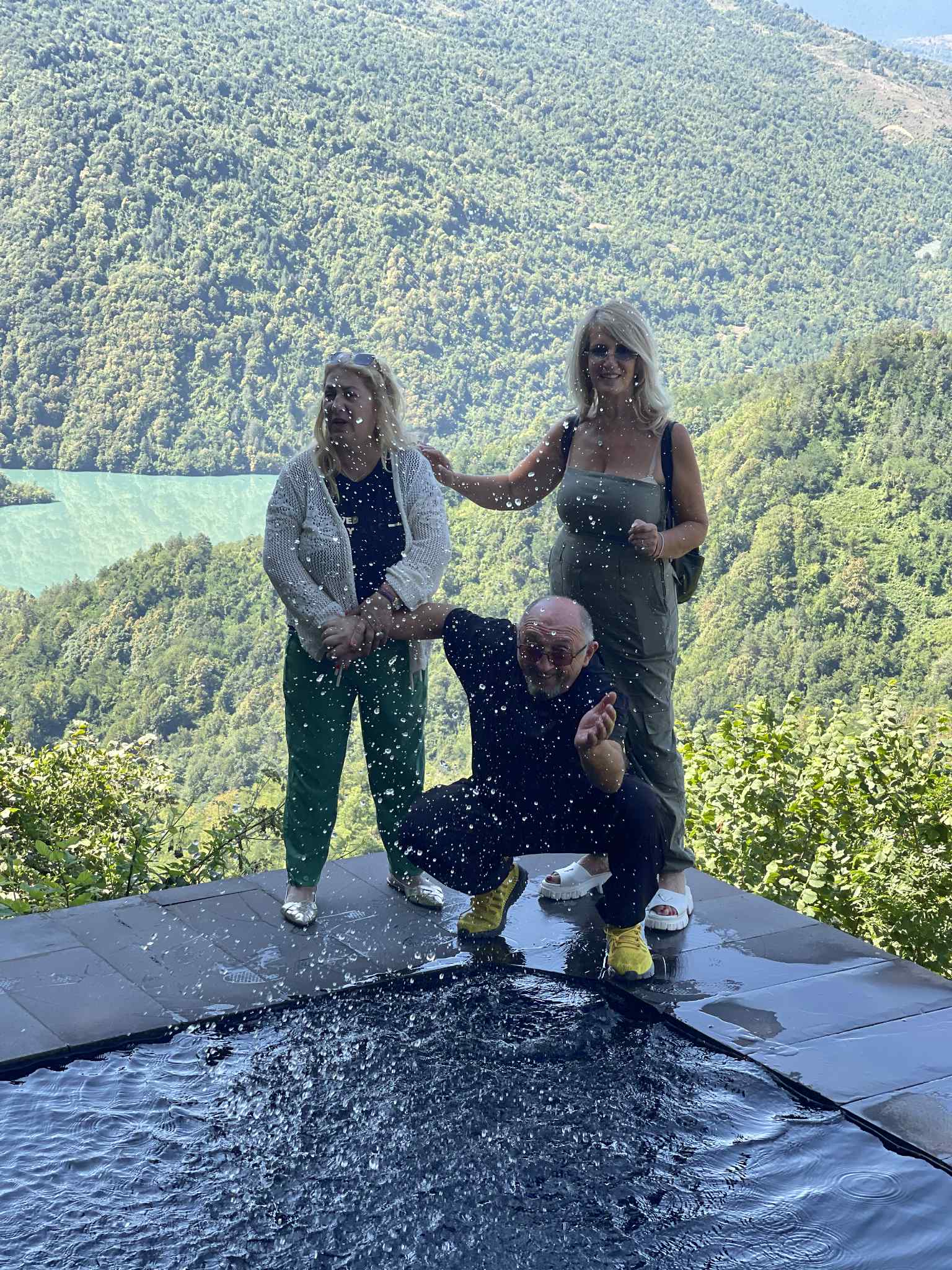
Every day, both locals and travelers — including many visitors from Israel — come here to admire the scenery, take pictures, and feel the spirit of this unique place. Villagers welcome them warmly, embracing guests as part of Lailashi’s living story.
Monuments and Cultural Heritage
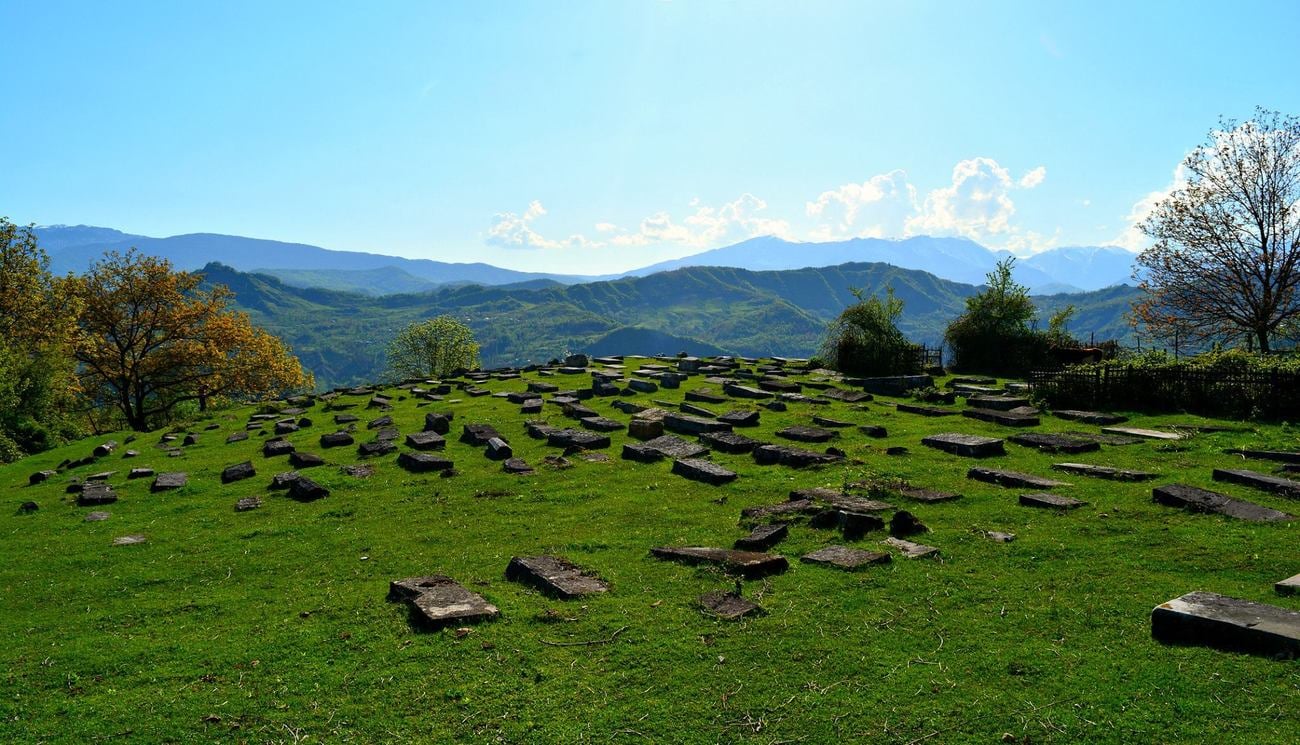
Once regarded as a town and, at one point, the trade hub of Lechkhumi, Lailashi is also rich in historical and architectural monuments. On the village cemetery stands a hall-type church and a bell tower, both dating to the early 19th century. Oral tradition holds that an even older church once stood nearby, though it has not survived.
Lailashi also found its place in Georgian cinema: about 30% of the beloved film “Me, Grandma, Iliko and Ilarion” was shot here.
In addition, the village once had a magnificent Armenian basilica-style church, now heavily damaged but still a silent witness to the diversity and cultural richness that defined Lailashi through the centuries.
Related Topics