
Trump, Iran, and the Illusion of Control
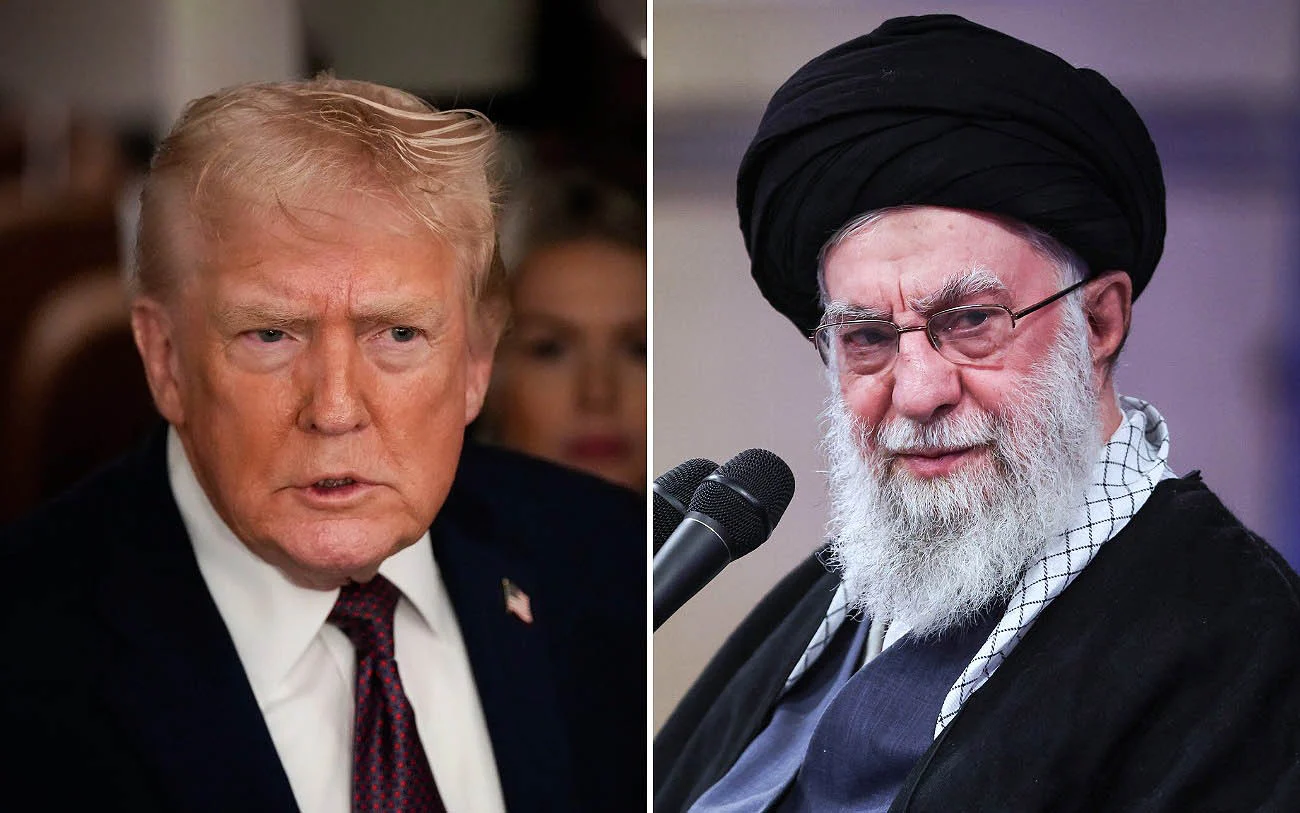
Across Washington and Tehran, policymakers and analysts are asking the same unsettling question: who really holds the advantage in the escalating standoff between the United States and Iran? On the surface, President Donald Trump’s renewed hardline posture toward Tehran projects confidence, leverage, and control. In reality, it may reflect something far more precarious: an illusion of control that risks pulling both sides into an escalation neither genuinely seeks, but neither may be able to avoid.
Trump has returned to a familiar formula. Economic sanctions are tightened. Military deterrence is made visible. Rhetoric is deliberately unpredictable, alternating between threats and vague offers of negotiation. Supporters argue this approach keeps Iran off balance and extracts concessions without the need for war. Yet history suggests that unpredictability, when paired with unclear objectives, often produces miscalculation rather than compliance.
The core problem is not pressure itself. It is pressure without a clearly articulated endgame.
What, precisely, constitutes success? Is the goal to halt Iran’s nuclear ambitions, constrain its regional influence, change its behavior, or weaken the regime itself? Each objective requires a different strategy, different tools, and different timelines. Yet the current posture often treats pressure as an end in itself, rather than as a means to a defined political outcome. Escalation may feel manageable when each step is incremental, but incremental escalation has a way of narrowing options until confrontation becomes the default rather than the choice.
This is where the illusion of control takes hold. Sanctions and military deployments create the appearance of dominance, but without a diplomatic framework they also reduce flexibility. Strategic ambiguity may confuse adversaries, but it can just as easily unsettle allies and encourage red-line testing by opponents who believe Washington itself is unsure where those lines truly lie.
For all the economic pain inflicted by sanctions, Iran has not collapsed or capitulated. Instead, it has adapted. Tehran’s leadership has learned to absorb internal costs while shifting pressure outward. It relies on asymmetric capabilities, proxy forces, and calibrated provocations designed to signal resolve without crossing thresholds that would trigger all-out war. This is not panic. It is a strategy of endurance.
Iran’s leadership understands that it does not need to defeat the United States militarily. It only needs to outlast American political cycles. Economic hardship, domestic unrest, and international isolation have not yet produced strategic surrender. Instead, they are reframed as proof of resistance and national resilience. External pressure often strengthens the regime’s narrative that Iran is under siege, even as ordinary citizens bear the cost.
One of the most dangerous features of the current standoff is that both Washington and Tehran believe they are acting from positions of strength. In Washington, strength is measured in sanctions, strike capabilities, and declarations of resolve. In Tehran, strength is measured in survival, regional reach, and the ability to impose costs indirectly. But strength without clarity is brittle. When neither side fully understands the other’s red lines — or its own — deterrence becomes unstable.
This matters deeply for Israel and the broader region. Any direct U.S.–Iran confrontation would not remain contained. It would ripple across Lebanon, Syria, Iraq, and the Gulf, activating proxies, threatening shipping lanes, and destabilizing already fragile states. Israel, in particular, would face heightened risks from Iranian-backed actors seeking to exploit chaos or force new deterrence calculations. Regional partners, while wary of Iran, are equally wary of becoming collateral damage in a conflict driven by miscalculation rather than design.
Deterrence works best when paired with clarity, consistency, and credible diplomacy. Pressure without purpose invites resistance. Unpredictability without boundaries invites testing. If Trump’s Iran policy is to avoid becoming self-defeating, it must move beyond the illusion of control and toward a strategy grounded in defined objectives and realistic pathways.
Absent that shift, the greatest trap may not be one Tehran has set for Washington, but one Washington has fashioned for itself — mistaking motion for progress and pressure for strategy. In the Middle East, illusions rarely endure. Consequences do.
For Israel, the stakes are especially acute. Strategic ambiguity from Washington complicates Jerusalem’s own deterrence calculus and narrows room for maneuver. When American policy lacks clarity, regional actors adapt in unpredictable ways, increasing the likelihood that Israel will be forced to respond to crises it did not initiate.