Trump Just Cried Wolf Again. Will the Wolf Come This Time?
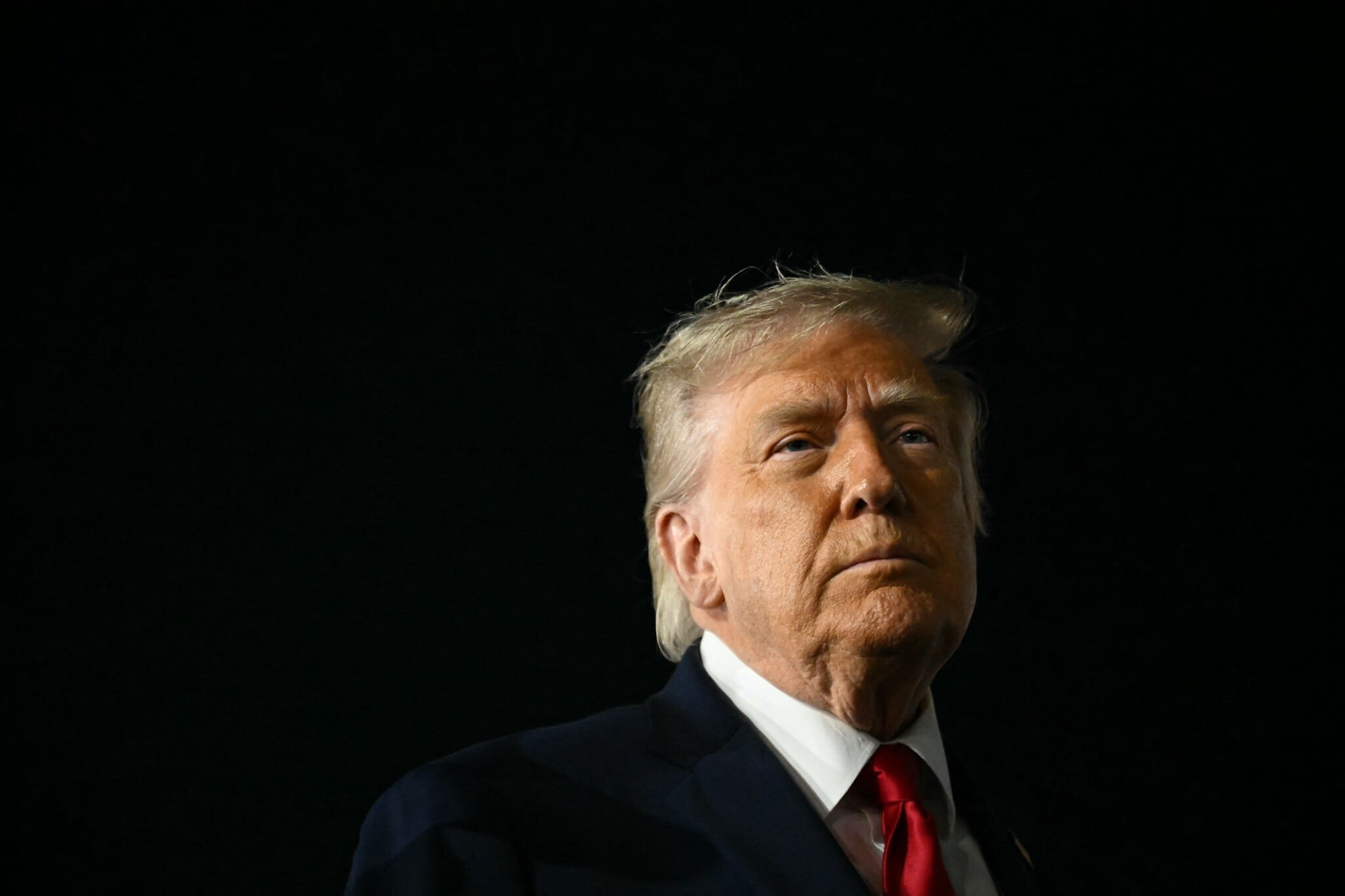
On Wednesday, US President Donald Trump declared that the United States would be attacking Iran again that same day, complaining that Tehran keeps playing America for suckers, even as he insisted the deal was “fully negotiated.” Hours earlier he had said Iran took too long to negotiate and would now “pay the price,” floating fresh strikes on its power plants and bridges.
It all landed in the middle of the bloodiest week since the ceasefire took hold. Iran had fired a wave of missiles at Israel. Israel had struck back, including a hit on a Hezbollah command center in the southern suburbs of Beirut.
An American Apache helicopter had gone down near the Strait of Hormuz after colliding with an Iranian drone. The United States had retaliated against Iranian air defenses, and Iran had answered overnight by striking US assets in Bahrain, Kuwait, and Jordan. The region was trading blows again. And the man at its center announced, once more, that the wolf was coming.
He has announced it many times before. That is the problem.
A calendar of warnings
Since the war opened in late February, Trump has run the conflict by deadline. The cadence has been remarkably consistent. An ultimatum, a threat to obliterate Iranian infrastructure, a wave of fear across the markets and the chancelleries, and then, near the appointed hour, a pause.
In late March he suspended a planned strike on Iran’s energy plants for ten days while talks were said to be going very well. In April he warned that “a whole civilization will die” if Tehran did not reopen the Strait of Hormuz, and then signed an eleventh-hour ceasefire instead. This very week he said a deal was two or three days away, only to declare hours later that Iran would pay the price.
The dynamic has had one durable effect. It has made the president impossible to read. For months, the most candid analysts have admitted that his next move cannot be forecast, because the threats and the reversals have followed no pattern anyone could chart. A maximal ultimatum is as likely to end in a handshake as in a bombing run. The deadline that once stopped the heart now passes like weather over the desert.
Yet the target of the threat never changed. Every ultimatum has pointed at the same two objects. The uranium, and the strait. Washington has demanded that Iran surrender the 440 kilograms of sixty percent enriched uranium it still holds, and reopen Hormuz to the world’s oil. And it has promised, if Tehran refuses, to leave the country in ruins.
Power plants burning. Bridges down. The regime reduced to rubble.
The boy on the hillside
There is an old fable, attributed to the Greek storyteller Aesop, about a shepherd boy left to watch the village flock. Bored on the hillside, he cried out that a wolf was among the sheep. The villagers dropped their work and ran to help, and found nothing. Amused, he did it again, and again they came, and again there was no wolf. So when the wolf finally appeared, and the boy screamed in earnest, the village ignored him. No one came. The flock was devoured.
The moral has survived twenty-six centuries because it is true. A man who sounds false alarms will not be believed even when, at last, he tells the truth.
Trump has cried wolf at Iran so often that the cry has gone dull. Markets have learned to shrug. Foreign ministries have learned to wait him out. Each new warning is received not as a verdict but as a rerun, and discounted accordingly. The shepherd is shouting again, and the hillside has stopped turning its head.
But the audience that matters is Tehran
The desensitization that counts is not the analysts’. It is Iran’s.
Iran is the one that must decide whether to believe the cry, and Iran has every reason not to. The threat is to shatter its grid, drop its bridges, and leave both the country and the regime in a deplorable condition. That is a genuine catastrophe. And yet, from the seat of the Islamic Republic, the price of obedience is heavier than the threat itself.
To comply is to hand over the uranium, the one asset that guarantees no enemy bombs you a second time, the lesson North Korea taught the world. To comply is also to open the strait, the one lever that lets a cornered Tehran keep its hand on a fifth of the planet’s oil.
Surrender the uranium and the regime stands naked before the next aggression. Open the strait and it throws away its final instrument of pressure. Both demands ask the Islamic Republic to dismantle, in public, the very things that have kept it alive.
So Iran does what the villagers did. It hears the cry, it weighs the long record of alarms that came to nothing, and it concludes that this time, too, the shepherd is lying. It has chosen, so far, to keep the uranium and to keep its grip on Hormuz, and to treat each fresh warning as one more piece of theater.
The trap in the fable
Here is what the desensitized forget. The fable does not end with the boy made to look foolish. It ends with the wolf eating the flock.
The string of false alarms is not a harmless habit. It is the very mechanism that lets the real wolf in. Two roads lead to that ending, and both are open tonight.
Trump may finally strike, in full, precisely because a credibility spent on bluffing can only be bought back with fire, and a president who has promised ruin a dozen times may decide he can no longer afford to be doubted. Or Iran may misread the single warning that was real, so certain it is theater that it crosses the line which brings the bridges and the power stations down on its own people.
Either road arrives at the same place. The cry that no one believed turns out to be true, on the morning it is too late to act on it.
The treeline
So the question is no longer whether Trump will warn again, because he just has. The question is whether Tehran will believe the cry this time and hand him the deal he wants, or wager once more that the wolf is not real, and learn, at the treeline, that on this night it had finally come.