Trump’s Middle East Plan Is Oslo Rewritten — Only Weaker
Some rightly argue that October 7th was the direct result of Israel’s judicial overhaul and the systematic weakening of democratic institutions and security agencies under Benjamin Netanyahu. Others—also correct—blame the disastrous doctrine of “strengthening Hamas while weakening the Palestinian Authority,” the illusion that “money buys quiet.” Some point to the original sin of the Gaza disengagement, while the most delusional among us still fault the Oslo Accords themselves.
Let’s talk about that.
The Oslo Accords were not perfect—but they were a beginning. They embodied hope, the first genuine attempt to end the conflict. That hope was assassinated by a vile murderer who believed he was acting on behalf of his people—a people whose leader then, as now, was the herald of Israel’s moral and political decline.
Thirty years have passed since a Jewish nationalist terrorist killed not only a prime minister, but also the Israeli dream of normal life. Since November 1995, Israel has never truly recovered. From seeking peace, we have learned to settle for brief pauses between wars. From a people who cherished life, we have become a people accustomed to death. Three decades after that gunshot froze history, we find ourselves back at the same point—only this time, there’s not even an attempt to change direction. Worse: the ideological heirs of the assassin now occupy positions of power. One of them, a convicted supporter of terrorism, even controls the police—and holds the prime minister by the throat.
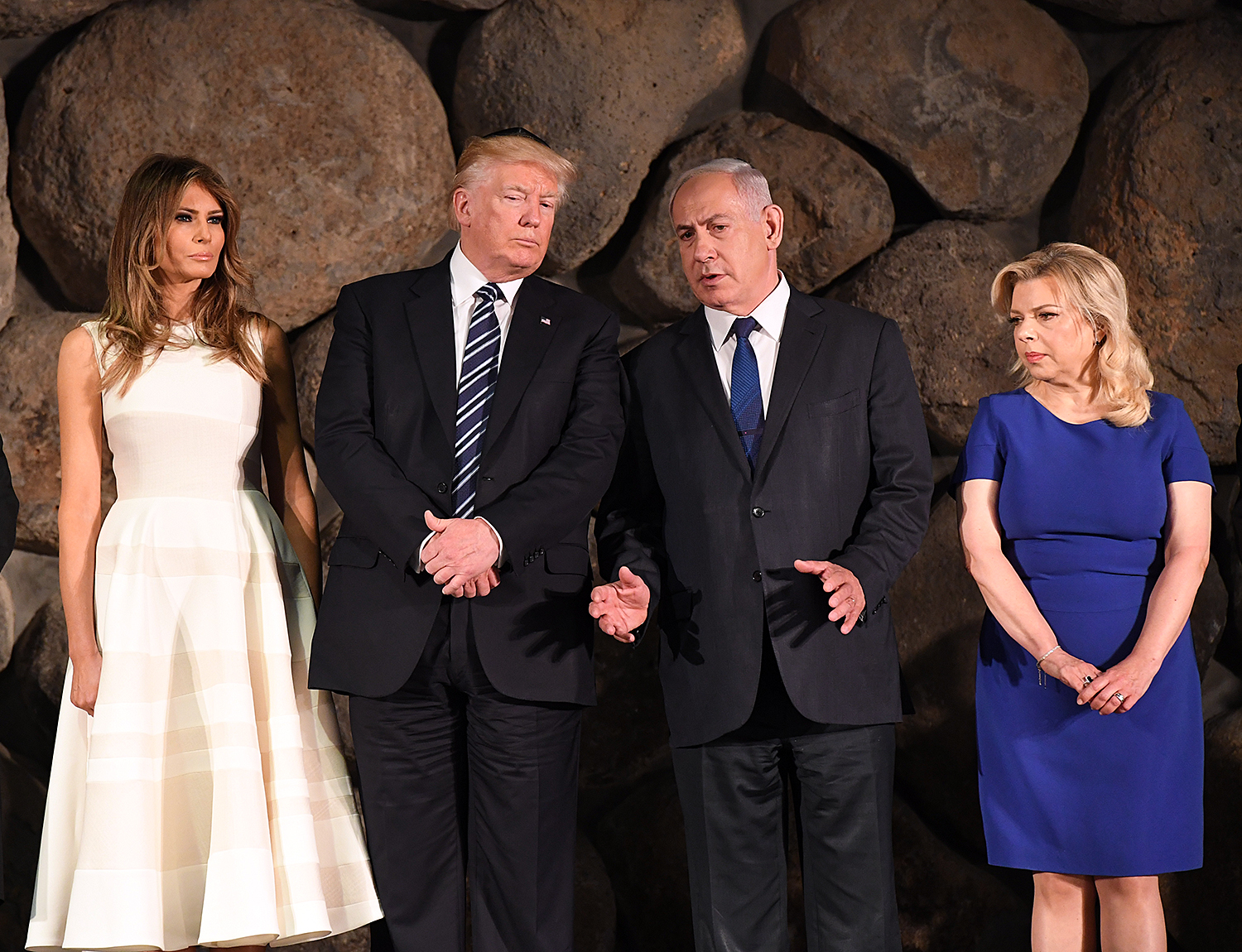
In recent days, we’ve witnessed broad support—except from the apocalyptic fanatics and merchants of death—for the new “peace plan” presented by former US President Donald Trump. A plan that, in his words, should create a “new peace in the Middle East.” In truth, all Trump is offering is a repackaged Oslo—commercialized, hollow, stripped of real political substance.
In practice, it’s an even weaker, riskier, and narrower framework than the original Oslo principles. The borders envisioned by Rabin for a permanent settlement were broader and more secure than those now being sketched by American officials and Netanyahu’s advisers for “the day after.” The absurdity is breathtaking: the very government that has spent thirty years vilifying Rabin and Oslo now embraces that same legacy—only without courage, without vision, and without a leader like Rabin.
At the strategic level, Trump’s initiative represents one of two possible futures for the Middle East. The first, which he seeks to build, requires reconnecting with the Palestinian Authority—in essence, a return to Oslo. The alternative axis is that of Turkey and Qatar, which fuels Hamas, the Muslim Brotherhood, and radical political Islam. There is no third way. Either you work with the pragmatic camp, or you side with the messianic one.
Israel, as it stands today, is paralyzed—leaderless, stuck in the middle. Headed by a man driven not by responsibility or vision but by fear and survival. A man willing to sacrifice us, our children, and our country to cling to power.
The paradox is that Trump, the consummate businessman, understands the value of stability better than anyone. He’s not sentimental about Palestine, but he despises chaos. For him, as long as there’s economic peace that brings billions into the region, that’s good enough. Yet in Israel of 2025, even that modest goal seems too complicated. For the Saudi-led framework to succeed, someone here must make a historic decision: to restore the Palestinian Authority’s role in Gaza, or at least grant it civilian control. That’s the essence of Oslo—not love, but shared interest; not naïve dreams, but pragmatic security.
And what does Netanyahu do? He once again sabotages the moderate axis to appease the messianic right, clings to Hamas to preserve fear—exactly as he did before October 7th. Exactly what led directly to October 7th.
Rabin understood that without political borders, there can be no moral sovereignty. Netanyahu, in contrast, has erased every boundary—between truth and falsehood, between state and self, between responsibility and political survival. Even Trump, paradoxically trying to save Israel from itself, cannot grasp the full depth of these nuances. He sees maps as business deals, not as histories of trauma and identity.
Thirty years after the assassination, it’s time to bring sanity back to the table—to speak again about borders, responsibility, and order. Not redemption, not revenge, not a politics of death. Oslo was not a mistake. It was an attempt to correct the greatest mistake of Jewish history: the belief that one can rule over others forever without losing oneself in the process.
Today, as Netanyahu clings to Trump like a student cheating off someone else’s exam, as the messianic right hijacks the flag, as the world loses faith in Israel—it’s time to remember not only Rabin, but his courage. The courage to understand that peace is not a Nobel Prize; it is a leader’s duty and a nation’s future. Thirty years on, we may not have another Rabin—but we still have memory. And with a bit of wisdom, perhaps we can learn from it.