A Correspondent in Tel Aviv
Turkey’s Soft Power: Israel’s New Security Threat?
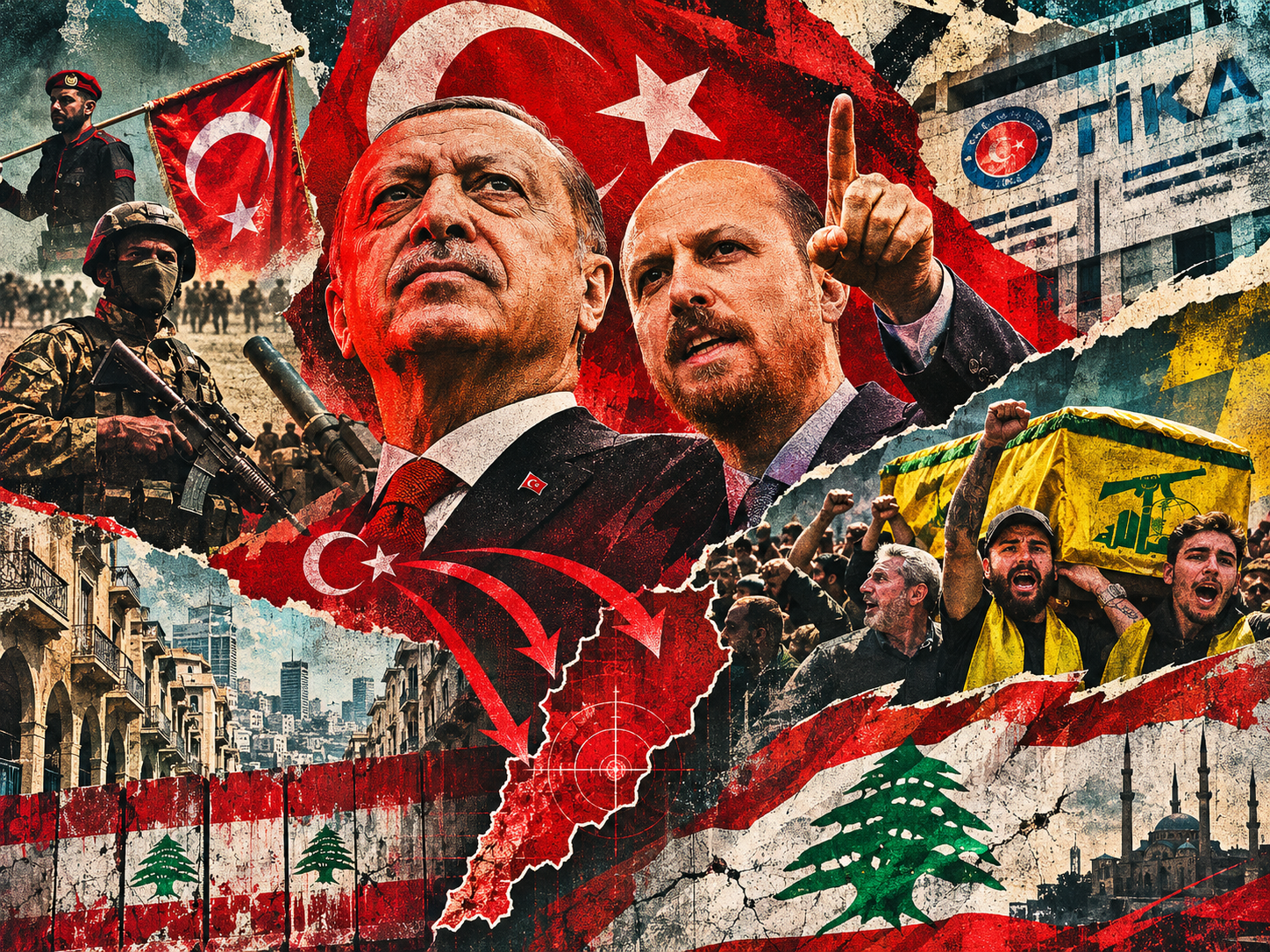
Bilal Erdogan’s three-day tour of Lebanon was no mere visit by a president’s son to a neighboring country. It underscores Ankara’s effort to turn cultural influence and economic assistance into a political — and potentially military — role on Israel’s northern flank.
Bilal, who holds no government office, met with Lebanese President Joseph Aoun and senior political and religious figures before touring predominantly Sunni Tripoli. His meetings coincided with parliament’s approval of a Turkish-Lebanese military financial cooperation agreement.
The timing matters. UN peacekeepers in southern Lebanon will end operations on December 31, though their withdrawal will continue through 2027. Recep Tayyip Erdogan has already said that Turkey wants a role in whatever security arrangement follows UNIFIL.
For Israel, Turkish troops near its border would present more than a diplomatic irritant. Their presence could complicate military operations, intelligence coordination and crisis management along an already volatile frontier. No successor force has been agreed, however, and a Turkish deployment remains hypothetical.
Syria adds another dimension. Ankara already enjoys considerable influence there, while Israeli officials have openly opposed Turkish military bases. In August, Foreign Minister Gideon Sa’ar said Israel did not seek confrontation with Turkey but would not accept such bases in Syria. A Turkish foothold in southern Lebanon would extend that strategic friction to a second front.
And then, there is also the question of Hezbollah.
President Aoun is trying to strengthen Lebanese state authority and the Lebanese Armed Forces as the country confronts the terrorist organization’s independent arsenal. Turkish military assistance could reinforce those institutions; it could also give Ankara greater influence over security arrangements crucial to Israel.
Turkey’s appeal to Lebanon’s Sunni community could provide a political counterweight to Hezbollah’s Iranian-backed influence. But whether that would actually help curb the organization’s military power is another matter entirely.
Bilal’s itinerary suggests how Ankara builds such influence. In Tripoli, he met religious leaders and visited Ottoman heritage sites restored with Turkish support. Turkey’s development agency, TİKA, has funded projects there for years. Israeli concerns stem in part from a 2018 case in which a TİKA employee in Gaza was jailed for diverting assistance to Hamas.
None of this means Lebanon is about to become a Turkish satellite. Beirut maintains longstanding and particularly strong ties with Cyprus, reinforced by a maritime delimitation agreement signed in November 2025. Despite strong Turkish objections, there is no evidence Lebanon intends to reopen it. Its diverse political allegiances also make an abrupt geopolitical realignment difficult.
Yet for Israel, the central issue remains whether Turkey’s expanding soft-power network in Lebanon will eventually translate into a military presence on another of its borders.
Related Posts