Two years after October 7, I am still writing to the Israel I lost
“We were like those who dream.” — Psalm 126:1
Two years ago, on October 7, a dream I once had of Israel came to an end.
On September 7, 2023, one month before that terrible day, I left Israel and moved to New York. I said goodbye to my family, to my hometown, Sderot, a city where one lived with knowledge of danger but believed in resilience, and to the land that had shaped every part of me. I had spent most of my life there. I had served six years in the military. I believed I would always belong to that country, that I would find my way back to serve it again. I moved to New York with the comfort of knowing that the Israel I knew, for all its noise and imperfection, would always be there — flawed but whole, wounded but alive.
Then came October 7.
The Israel I knew was torn apart in a single morning. What was taken from us that day was not only lives, but a sense of safety, of continuity, of trust in one another. The country became unrecognizable.
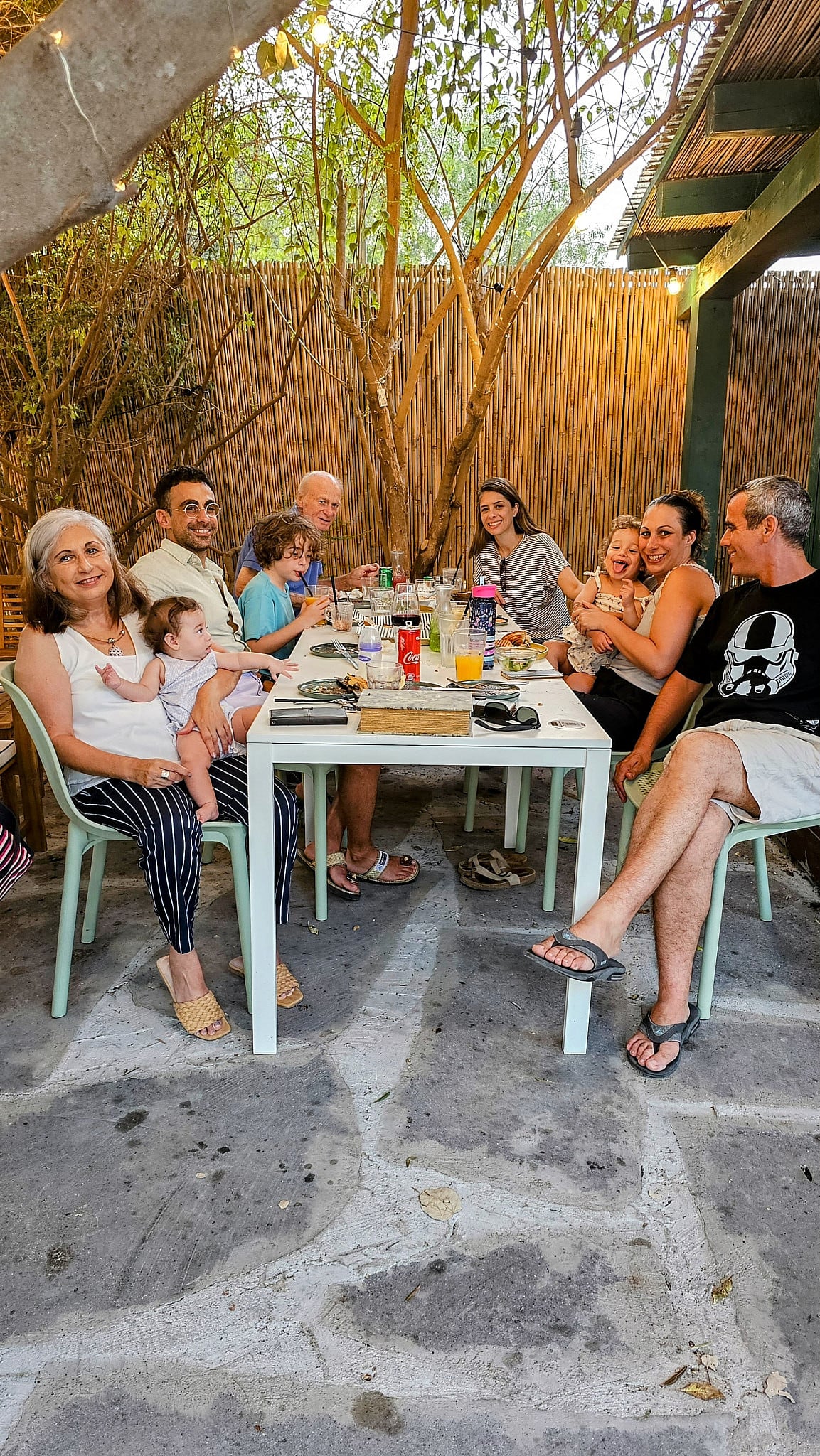
My brother-in-law, Omri Miran, was kidnapped from Kibbutz Nahal Oz that morning. He was a father, a husband, a friend. He worked the land and healed others with his hands. He was a shiatsu therapist and a gardener, someone who believed that care and touch could restore what the world breaks. My sister, Lishay, and their two daughters, Roni and Alma, survived after hours of terror inside their home. They were rescued, but their world was torn apart. Since that day, they have lived with an emptiness that defies description. Every morning begins with the same question. Every night ends with the same prayer.
Omri’s absence is not just the loss of one man. It is the measure of everything Israel still must answer for. His captivity, and that of the other hostages, is not only a national trauma but a mirror reflecting what we have become.
In those first days and weeks, whether in Israel or in the Diaspora where I was, we were one people. We were broken but together. We shared one heartbeat. People opened their homes, drove to hospitals to donate blood, cooked for strangers, and prayed — whether or not they believed in God — in the streets. Jews across oceans found each other again in grief. We were bound by shock, sorrow, and love. The promise of Israel still pulsed beneath the rubble and scorched earth.
That early unity felt sacred. It reminded us who we are at our core: a people who refuse to abandon one another, who understand that survival is not only physical but moral.
But as the weeks turned into months, the unity began to fade. The war continued. The grief grew heavier. The faces of the hostages disappeared from screens. Their names became background noise. The country that had once vowed to bring them home began to lose faith in its ability to do so.
Some of the forty-eight who remain in Gaza are believed to be alive. Others are not. All of them are Israel’s children, either by nationality or by choice. All of them are still waiting to be brought home, in life or in death. Their captivity has become a wound that refuses to heal, an open question that hangs over every speech and every silence.
The longer this continues, the more it changes us. We begin to live comfortably with what once felt unbearable. We speak of deterrence, strategy, and politics as if they can substitute for humanity. We tell ourselves that nothing can be done, that time will dull the pain. But time does not heal what we refuse to face.
In Pirkei Avot, it is written, “In a place where there are no human beings, strive to be one.” It is a call not to forget who we are, even when the world grows numb. It reminds us that silence is also a decision, and that looking away is an act of surrender.
When I left Sderot, I believed I was leaving a place that would always find its way back to itself. The city has endured wars and escalations time and again. Its strength has always been its memory. It taught me that even when everything falls apart, faith in life can hold a community together. But a nation cannot live on memory alone. It must act on it.
Isaiah said that Tziyon bemishpat tipadeh, “Zion shall be redeemed with justice.” Justice is not vengeance. It is the discipline of remembrance, the insistence that compassion must have form. Righteousness is not belief alone. It is integrity in action, the quiet strength to hold fast to what is right when others have begun to forget.
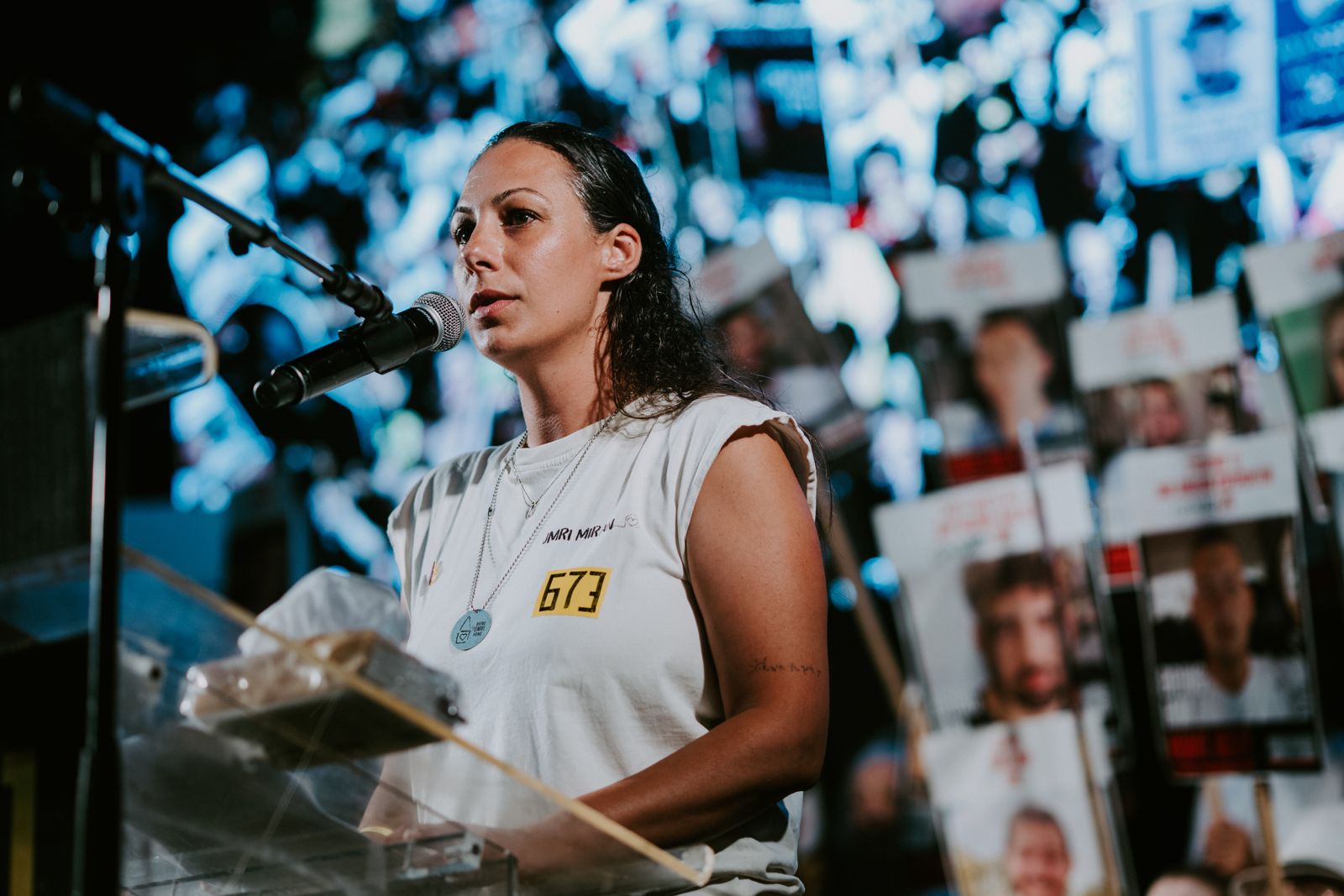
In the face of all this, my sister and many of the other hostage families have carried themselves with extraordinary grace and strength. They speak truth not only to the world but also to Israel’s leadership and to the public itself. They do so without bitterness, guided by love and by an unshakable sense of purpose. The way they have chosen to lead, in dignity, courage, and moral clarity, reflects the Israel that once was and the one that can still be. In their words and in their persistence lies a quiet reminder of the nation we are meant to be.
This past Shabbat, we read Parashat Ha’azinu, the Song of Moses, a song that holds both lament and promise. It calls on Israel to listen, to remember, to return. Its words feel heavier this year, reminding us that redemption begins with attention, and that listening is itself a form of responsibility.
The return of the hostages is not only a humanitarian necessity but also a matter of national security. It is the measure of our humanity. It is the test of whether Israel can still see itself as one people.
When Omri comes home, when the last of the 48 comes home — whether alive to reunite with their families or in death to be buried in the Land of Israel — Israel will be able to breathe again. Only then can we begin to rebuild what was lost. Not the same country, but a truer one. One that knows how easily moral blindness can spread when we stop looking directly at pain.
Sometimes I still write to that Israel in my mind, the one that felt like home even in its chaos, as if words could reach across the distance between what was and what remains.
I left Israel believing I would return one day to the home I knew. I still believe I will, but it will not be the same home. The Israel I knew is gone. The Israel I long for is still waiting to be rebuilt, not from strength alone but from compassion and truth that begin with the most sacred mission of all: bringing them home.