U.S.-Facilitated Talks Usher in New Israel-Lebanon Peace Era
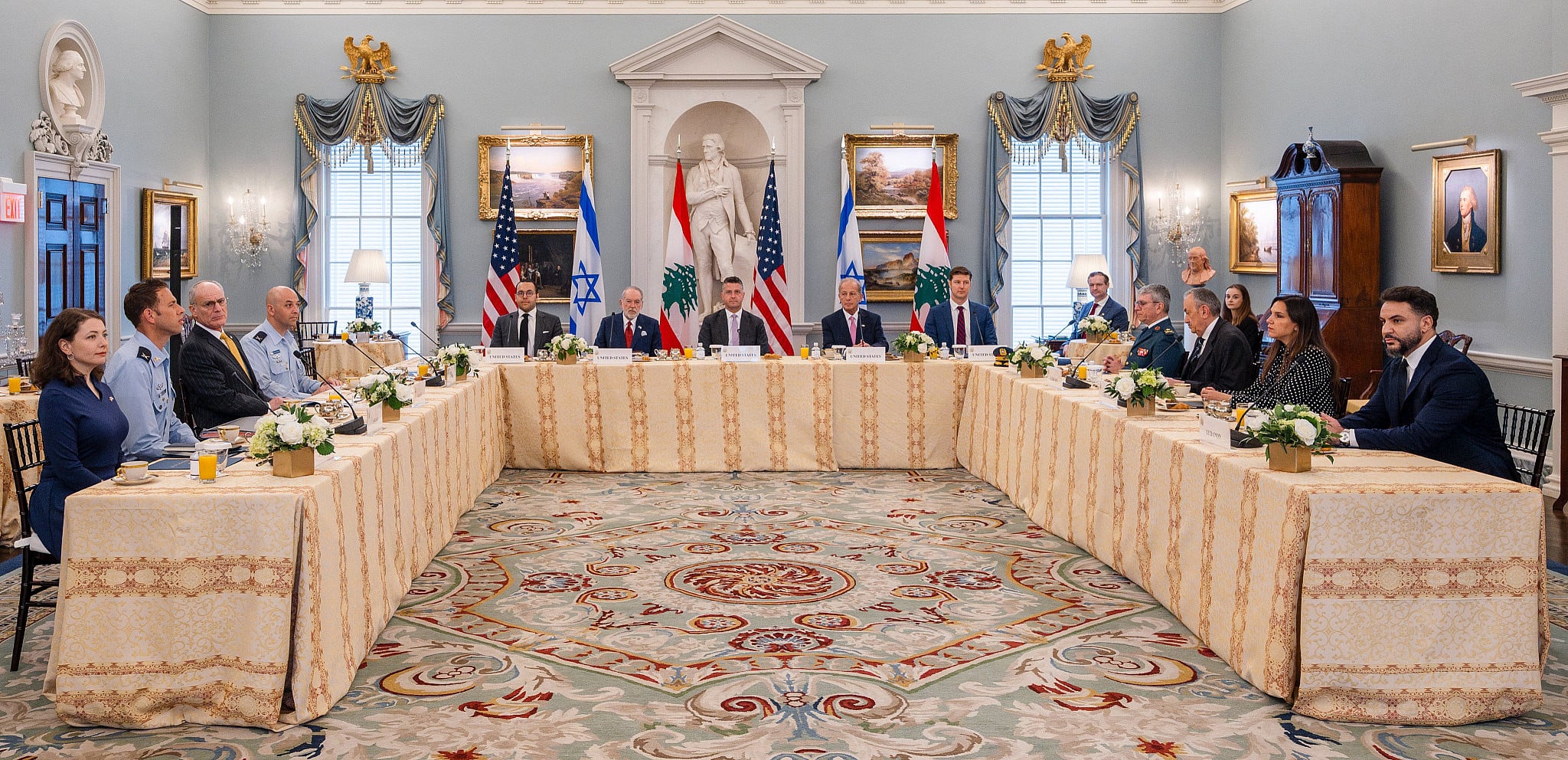
In a remarkable show of diplomatic dedication to peace, the United States successfully facilitated two days of fruitful negotiations between Israel and Lebanon on May 14 and 15, 2026. These discussions mark a significant step forward in the quest to turn a fragile ceasefire into a lasting framework for regional stability, mutual respect, and shared prosperity.
The talks, which took place with U.S. support, were characterized as constructive and optimistic by all parties involved. Building on the cessation of hostilities established on April 16, 2026, both Israel and Lebanon have agreed to extend this pause for an additional 45 days. This extension offers essential breathing space for negotiators to engage in deeper dialogue, tackle unresolved issues, and foster trust on the ground. It highlights a mutual understanding that maintaining calm along the shared border is beneficial for civilians, economies, and future generations on both sides.
On May 14 and 15, the United States hosted two days of highly-productive talks between Israel and Lebanon. The April 16 cessation of hostilities will be extended by 45 days to enable further progress. The State Department will reconvene the political track of negotiations on June… pic.twitter.com/Dcs9NJDdN5
— Tommy Pigott (@statedeptspox) May 15, 2026
Looking forward, the momentum from these discussions will be propelled by two parallel negotiation tracks aimed at comprehensively addressing both political and security aspects:
- Political Track: The U.S. State Department is set to bring back high-level political talks on June 2 and 3, 2026. These discussions will aim to push forward full diplomatic normalization, which includes recognizing each other’s sovereignty and territorial integrity. By tackling key political issues through open and respectful conversations, both parties are working towards a solid peace agreement that respects the hopes and security needs of both nations.
- Security Track: On May 29, 2026, the Pentagon will initiate a focused security dialogue that includes military representatives from Israel and Lebanon. This effort aims to put in place clear, verifiable systems for authentic border security, turning the shared boundary into a cooperative area rather than a source of tension. The plan will feature joint monitoring protocols, de-escalation tactics, and confidence-building initiatives that prioritize the safety of border communities while respecting the independence of both countries.
This dual-track approach represents a well-rounded and mature strategy: while political leaders strive for lasting diplomatic connections, security experts are simultaneously working to bolster practical safeguards on the ground. The United States’ role as a reliable facilitator underscores the strength of multilateral diplomacy in addressing long-standing challenges through dialogue, patience, and goodwill.
The broader vision that’s taking shape from these discussions is one of authentic, lasting peace. Both Israel and Lebanon stand to benefit greatly from normalized relations: better economic prospects, safer communities, and a stable regional environment that allows citizens to flourish without fear. A full acknowledgment of each other’s sovereignty and territorial integrity, paired with solid security arrangements along the border, will not only avert future conflicts but also unlock opportunities for collaboration in trade, tourism, energy, and cultural exchange.
Israel’s Ambassador to Washington, Yechiel Leiter, described the recent peace talks with Lebanon as “frank and constructive,” expressing optimism about the next phase of dialogue between the two sides. He said the chances of success in the negotiations remain high as diplomatic efforts continue.
????️ Israel's Ambassador to Washington, Yechiel Leiter: @yechielleiter
– Peace talks with Lebanon were frank and constructive.
– We look forward to the next steps with Lebanon.
– Chances of success in negotiations with Lebanon are high. https://t.co/QB6mAGLbD7 pic.twitter.com/0YI4LfB5tE
— This Is Beirut (@ThisIsBeirut_) May 15, 2026
As these negotiations move forward, the international community is optimistic about this positive trend. The extension of the ceasefire and the planning of follow-up talks show a clear commitment from all sides to prioritize peace over conflict. With ongoing support from the U.S. and the constructive involvement of both Israeli and Lebanese delegations, the upcoming weeks and months are filled with potential for a groundbreaking agreement that could pave the way for a brighter, more peaceful future for the people of both nations and the entire region.
In a thoughtful and constructive appeal that aligns perfectly with the current momentum, Lebanese intellectual Bechara Gerges is calling on Lebanon to take a long-overdue step: to suspend the 1955 law that boycotts Israel, which still technically makes it a crime for any Lebanese citizen to engage with an Israeli. He pointed out that Fouad Makhzoumi has rightly urged the Minister of Justice to put this statute on hold immediately, until parliament can officially repeal it.
????Building confidence between the Lebanese and Israelis
The process must be forced. Unless the taboo is broken publicly, Hezbollah wins by default, because the only force still policing Lebanese-Israeli silence at the citizen level is the militia, dressed in a 1955 statute.… pic.twitter.com/x7EDdzf63m
— Bechara Gerges (@BecharaGerges) May 16, 2026
Elissa El Hachem argues in her article that the ongoing negotiations in Washington represent more than a security dialogue between Lebanon and Israel. In her view, the talks signal the beginning of a broader transformation of the Lebanese state under direct American oversight, with Lebanon now being represented by official state institutions rather than traditional informal power structures and competing centers of influence.
⭕️ مقالي اليوم في @MTVLebanonNews
ما يجري في واشنطن ابعد من ترتيبات امنية او تمهيد لاتفاق مستدام مع اسرائيل:
إنها إعادة هندسة كاملة للدولة اللبنانية تحت إشراف أميركي مباشر.
للمرة الأولى،
الدولة نفسها على طاولة التفاوض…
لا التوازنات، ولا الوسطاء، ولا أذرع النفوذ.
الملف لم يعد… https://t.co/tTBrj4WM1d— Elissa el Hachem (@elissa_hachem) May 16, 2026
Lebanon finds itself at a historic crossroads thanks to the emerging diplomatic efforts — a unique and hopeful moment when years of Hezbollah’s dominance, acting as Iran’s forward base, can finally give way to true national sovereignty, despite the heavy toll it has taken on Lebanese lives and stability. With consistent pressure from Washington, Israel’s unwavering commitment to border security, and Beirut’s increasingly vocal claims about Tehran’s destabilizing role, the region is now facing a crucial test: will Lebanon take this opportunity to reclaim its independence from Hezbollah, Iran’s proxy?
For Israel, the message remains clear and constructive — lasting peace is not just a dream, but something achievable, as long as it doesn’t come at the cost of allowing a heavily armed terrorist group to remain entrenched along its northern border. This critical moment presents both nations with a clear way forward: one where Lebanon’s regained sovereignty enhances regional stability, and Israel’s legitimate security concerns open the door to mutual recognition, cooperation, and lasting peace.
Peace isn’t just a dream—it’s becoming a reality. These recent developments bring renewed hope that meaningful dialogue, supported by dedicated diplomacy, can truly lead to lasting security and prosperity for Israel, Lebanon, and beyond.