
Rabbi of Tamid Palm Beach
When the Promised Land Has a Famine
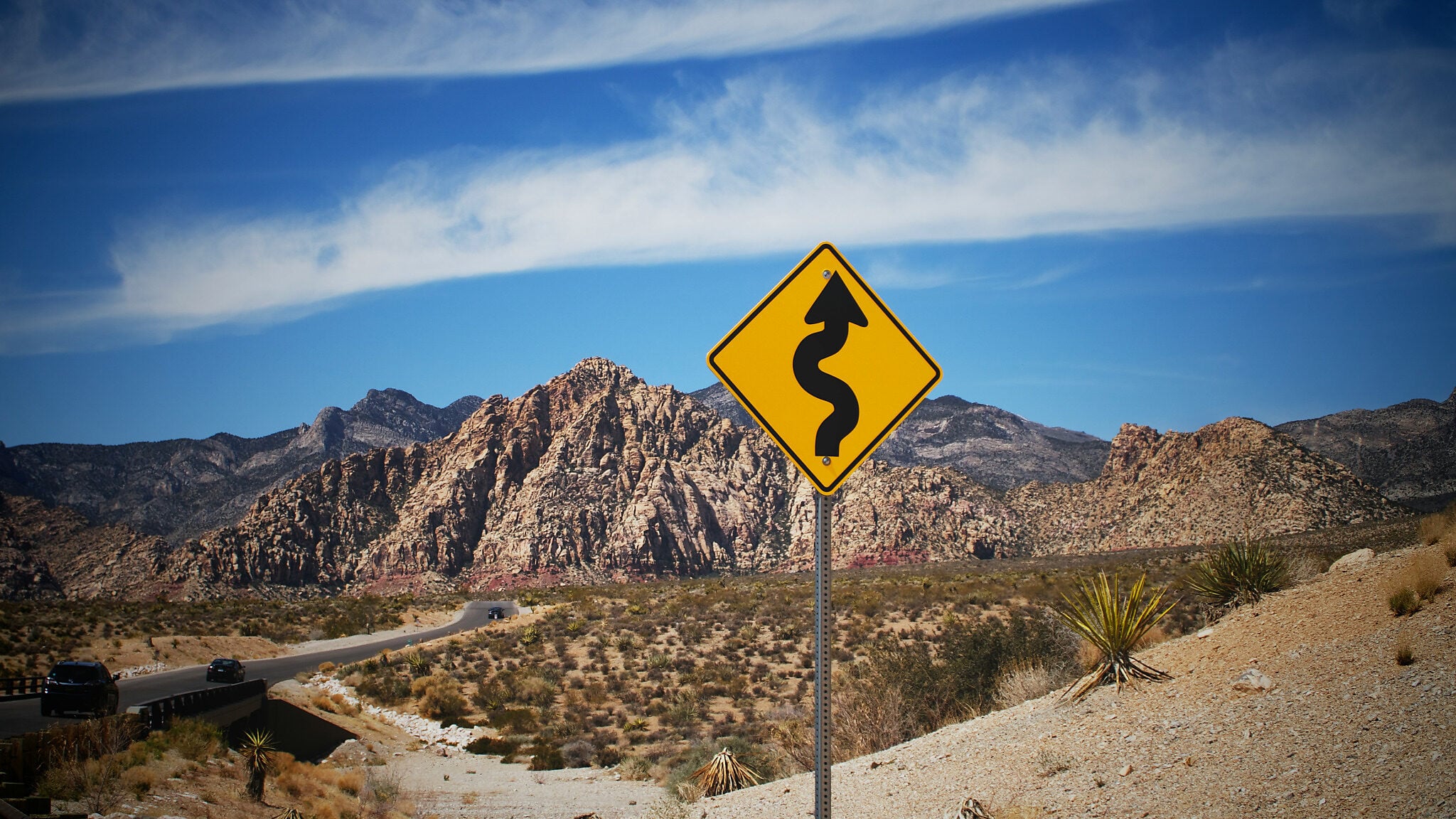
The road may be harder than we expected. That doesn't mean we've lost our way.. Photo by Matt ODell on Unsplash
Some days I wonder whether I’m doing something wrong. Not because anything terrible has happened, but because life seems harder than I expected. The bills keep coming, the house needs repairs, work brings new challenges, and just when I think I’m catching up, something else breaks.
I suspect I’m not alone. Most of us carry a quiet assumption that if we work hard, make good decisions, and try to do the right thing, life should generally work out. Not perfectly, of course, but there ought to be some relationship between our efforts and the results. And when things don’t work out, we begin to wonder whether we’ve taken a wrong turn.
This week’s Torah portion, Lech Lecha, challenges that assumption in a rather surprising way. God tells Abraham to leave his home, his birthplace, and everything familiar, and journey to a land that God will show him. God promises to bless him, make his name great, and build a great nation from his descendants. Abraham listens, leaves behind the life he knows, and travels to Canaan.
And almost immediately, there’s a famine.
Think about that. Abraham does exactly what God asks, arrives in the land God has promised him, and discovers that there isn’t enough food to survive. He has to leave for Egypt. If this were a modern inspirational story, we’d expect a different sequence. Abraham takes a leap of faith, follows his calling, and everything falls into place. Perhaps he finds a beautiful home, wonderful neighbors, and an unexpected financial windfall. Instead, he finds a famine.
What’s striking is what the Torah doesn’t say. It doesn’t suggest that Abraham sinned or misunderstood God’s instructions. It doesn’t describe the famine as punishment. It simply tells us that there was a famine in the land. That’s worth noticing because elsewhere in the Torah, particularly in Deuteronomy, drought and famine are explicitly connected to human disobedience. The Bible itself offers more than one way of understanding hardship.
Not every difficulty is punishment. Not every disappointment is a warning. And not every obstacle means we’ve chosen the wrong path.
Psychologist Ronnie Janoff-Bulman, in her book Shattered Assumptions, explores how deeply we depend on certain beliefs about the world: that life is generally fair, that good people deserve good outcomes, and that we have some control over what happens to us. When life contradicts those assumptions, it can shake our understanding of how the world works.
Religion sometimes reinforces these assumptions. We tell people that if they have faith, pray sincerely, and follow God’s path, blessings will follow. These promises can be comforting and motivating, particularly when life is going well. But what happens when it doesn’t?
As a rabbi, I’ve sat with people facing illness, grief, and heartbreaking disappointments. Sometimes well-meaning people try to comfort them by explaining that everything happens for a reason or that God must have a greater plan. I understand the impulse. We want to believe that suffering makes sense. But I’ve come to believe that God doesn’t need a defense attorney, particularly when defending God comes at the expense of someone who is suffering. A grieving person shouldn’t have to accept an explanation for their pain simply to preserve someone else’s understanding of God.
Abraham’s story offers a more honest understanding of faith. Following God’s call doesn’t mean life will unfold as expected. And when famine strikes, Abraham doesn’t simply sit in Canaan waiting for a miracle. He goes to Egypt. He responds to the reality in front of him without necessarily abandoning the larger journey.
Of course, not every path deserves to be continued. Sometimes we really have made a mistake, and changing direction is the wisest choice. But difficulty alone cannot tell us whether we’re on the right road.
And then there is another part of God’s promise to Abraham that I find especially beautiful: Veheyeh berachah, “And you shall be a blessing.”
God doesn’t simply tell Abraham that he will receive blessings. God calls upon him to become one.
That changes how we might understand a successful life. If we measure our lives entirely by what happens to us, we place much of our happiness in circumstances beyond our control. Every setback becomes evidence of failure. Every unexpected obstacle makes us question our decisions. But what if we also measured our lives by what we bring to them?
We can be generous during financially uncertain times. We can offer encouragement when we’re struggling ourselves. We can care for someone who is hurting, appreciate the kindness of others, and recognize the blessings that remain even when life isn’t going according to plan.
I’ve been thinking about that lately, particularly on days when the responsibilities pile up and progress seems painfully slow. The repairs still need to get done. The bills still need to be paid. Faith doesn’t make those responsibilities disappear. But perhaps I don’t need every difficult day to tell me whether I’m succeeding or failing.
Perhaps the promise was never that Abraham would find a land without famine. Perhaps it was that even in a world with famine, he could become a blessing.
And perhaps that’s what faith asks of us, too. Not to expect a life without difficulties, but to keep moving forward, to recognize the good that is still around us, and to discover the good we can bring into the lives of others.
Related Topics