
Owner of the world's largest Herzl collection
When the Zionist Movement Met the Temperance Movement
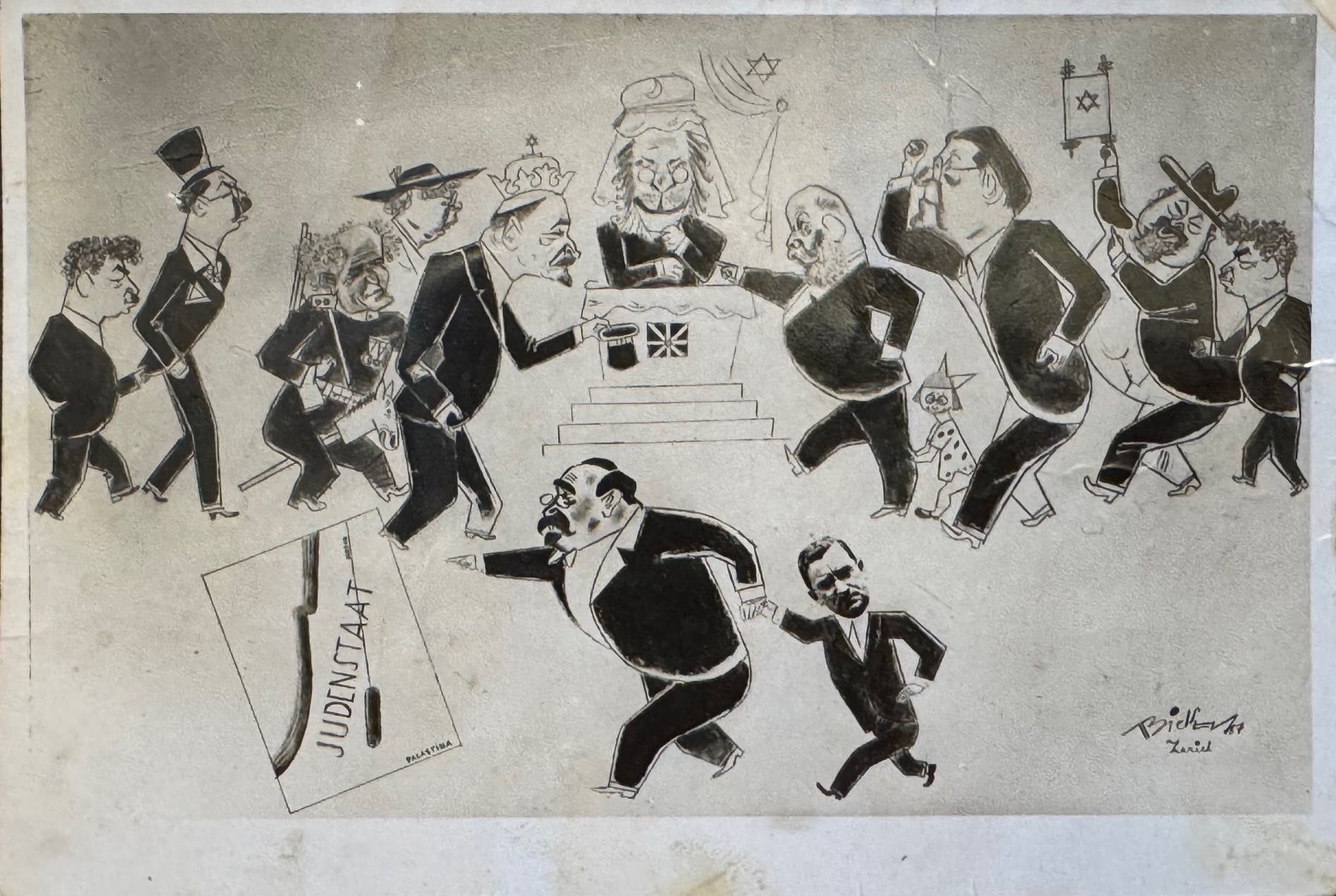
1937 Postcard illustrating the debate over the Peel Commission's partition propasal from the Herzl and Zionsim Collection of David Matlow, Toronto (www.herzlcollection.com). Photograph by David Matlow
The Zionist movement met the temperance movement in Zurich in 1937 at the Twentieth Zionist Congress.
Held 40 years after the first Zionist Congress in 1897, the main subject of the 20th Congress was the report of the Palestine Royal Commission (commonly known as the Peel Commission after its Chair, Lord Peel) that was published one month prior to the Congress and which recommended the partition of Palestine into a Jewish state, an Arab state and a part to remain under British control. This was the first time the British endorsed the idea of a Jewish state rather than the more limited national home concept in the 1917 Balfour Declaration.
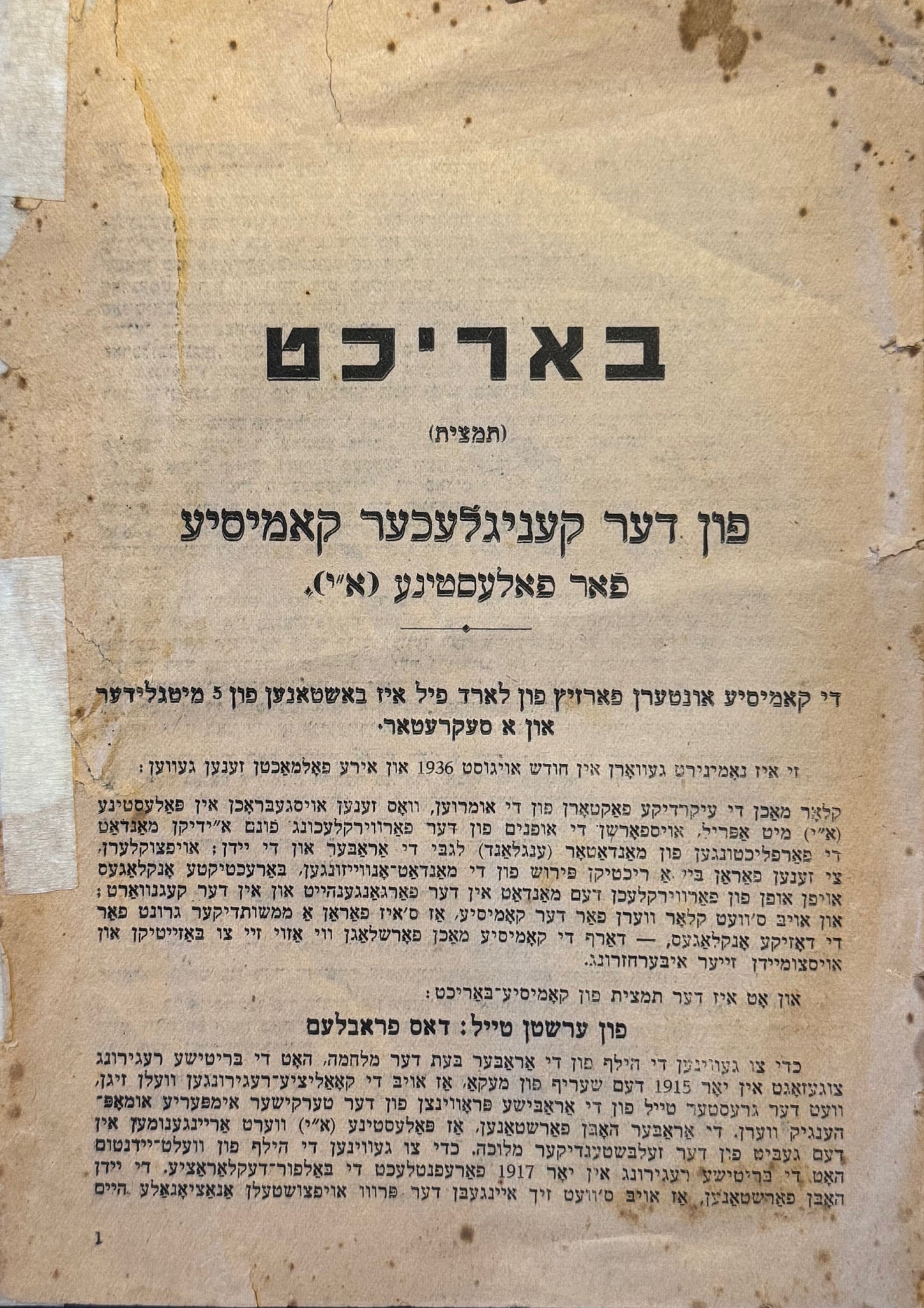
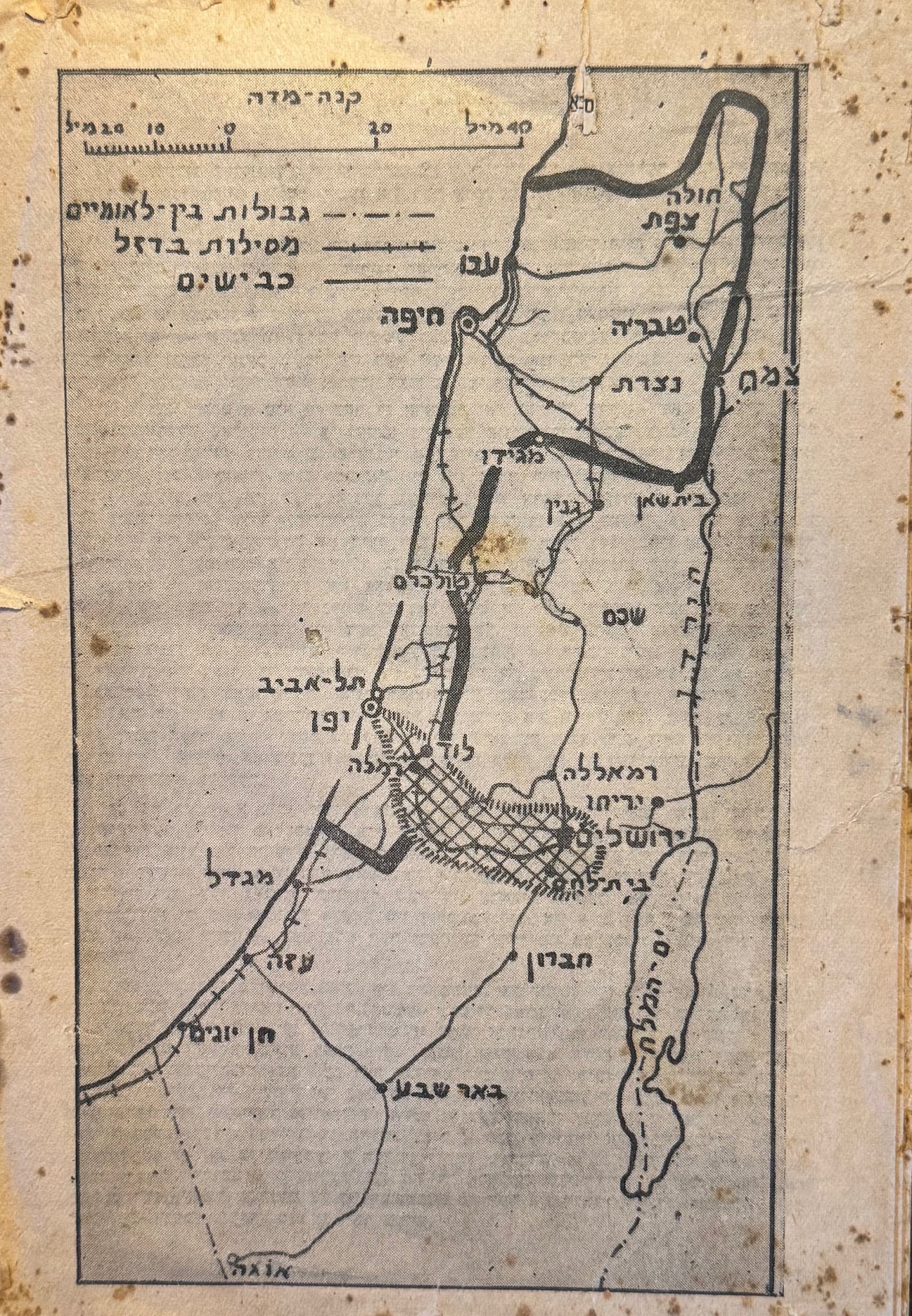
The Congress rejected the Peel Commission’s conclusion that the national aspirations of the Jewish people and of the Arabs of Palestine were irreconcilable. The Congress reaffirmed “the declarations of previous Congresses expressing the readiness of the Jewish people to reach a peaceful settlement with the Arabs of Palestine, based on the free development of both peoples and the mutual recognition of their respective rights.”
The Congress then declared that the specific partition plan proposed by the Peel Commission was unacceptable, although the notion of partition was not rejected outright. In contrast, the Arab leadership opposed the idea of a Jewish state in a partitioned Palestine, arguing that such a state would be a betrayal of commitments Britain had made.
While the Congress debated the existential issue of a future Jewish state, the delegates came face to face with a local movement that promoted restaurants that did not serve alcohol.
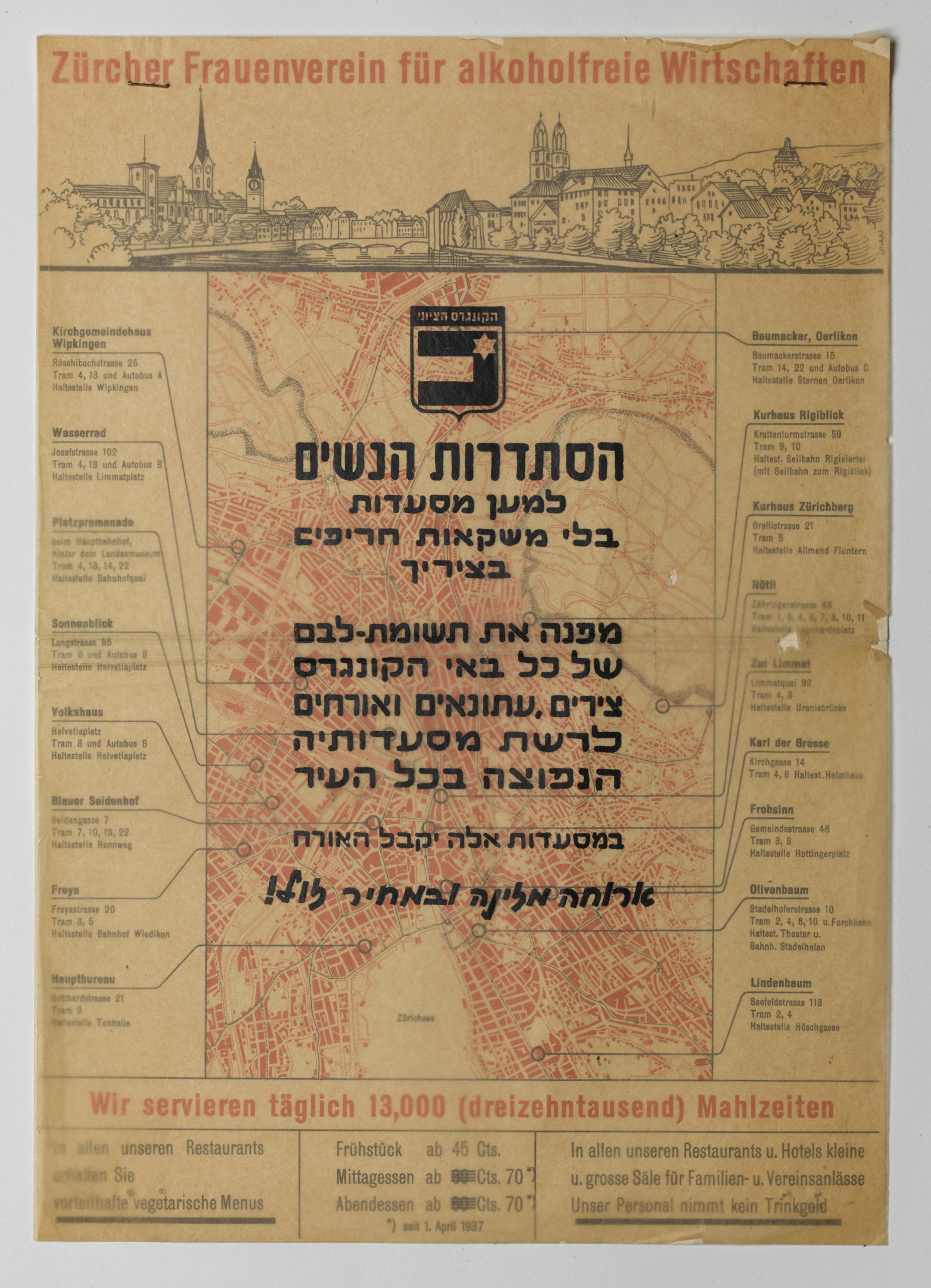
The Zurich Women’s Union for Non-Alcoholic Restaurants prepared this flyer to advise Congress delegates, journalists and visitors of its network of restaurants throughout Zurich that do not serve alcohol. The Union committed that “in these restaurants, the visitor will receive a healthy meal at a reasonable price.”
The Union was the creation of Susanna Orelli-Rinderknecht (1845-1939) who was determined to remedy the societal issue of public drunkenness that had become a major problem in her home town of Zurich. She grew to believe that moralizing about drunkenness and advocating for outright prohibition was not a successful strategy. Rather, she believed the solution was to provide attractive alternatives to inns, restaurants and taverns that served alcohol. By 1937 there were 17 such places which were listed in the materials the Union prepared for the Congress.
The 39th Zionist Congress will take place in Jerusalem from October 28 to 30. Canadian Zionists elected 19 delegates who will be among the more than 500 delegates in attendance. The discussions will be important and likely intense.
If at the upcoming Congress the delegates are thirsty after a long day of debating and arguing, they will be able to drink what they want. They will have earned it.
For more treasures from the Herzl and Zionism Collection of David Matlow which appears weekly in the Canadian Jewish News see https://herzlcollection.com/treasure-trove
Related Topics
Related Posts