
Where Should You Actually Live in Israel?
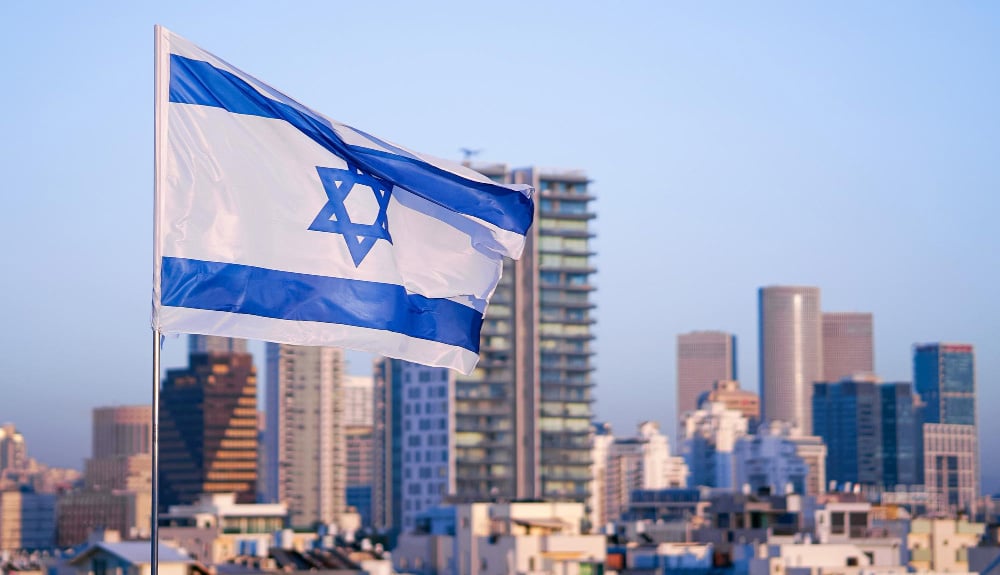
You’ve done it. You’ve made aliyah. You survived the Misrad HaPnim forms, you’re getting used to three-cheek kisses (or is it two?), and now comes the million-shekel question: where do you actually unpack your boxes?
Israel’s deceptively tiny—you can drive from the Lebanese border to Eilat in less time than some people’s morning commute in Los Angeles. But don’t let the small geography fool you. Picking the wrong city can mean the difference between loving your aliyah experience and spending your evenings browsing real estate listings back in wherever you came from.
The truth is, most English-speaking olim end up in one of maybe five or six cities, and there are legitimate reasons for that. These places have established communities, English-language infrastructure, and enough other confused immigrants that you won’t feel completely alone when you can’t figure out how to pay your arnona bill.
Here’s the straight talk on where English speakers actually plant roots, and whether those choices make any sense for you.
Tel Aviv: Yes, It’s a Cliché For a Reason
Everyone lands in Tel Aviv first. It’s a rite of passage, except instead of wisdom, you gain the ability to complain about rent in three languages.
Why it works: You can function entirely in English here. Your Uber driver, barista, and doctor all speak English. The tech scene is phenomenal—startups everywhere, endless networking events. There’s actual nightlife. The beach is always close. And restaurants stay open past 9 PM, which apparently counts as revolutionary in this country.
The catch: A closet-sized apartment costs what you’d pay for a house elsewhere. Summer humidity makes you question everything. And you can spend years here without truly integrating into Israeli culture—it’s an expat bubble with falafel.
Who fits: Tech workers with real salaries, twenty-somethings valuing nightlife, beach devotees, anyone who considers air conditioning non-negotiable.
Jerusalem: Coffee With Complexity
Jerusalem is everything Tel Aviv isn’t—cheaper, more religious, historically overwhelming, and spiritually intense.
The upside: Anglo neighborhoods like Baka, Katamon, and German Colony offer instant community. The city is walkable (if you like hills). Housing is actually affordable—you might even get two bedrooms! Real seasons exist. And the history is unmatched; you’re walking where people walked millennia ago.
The reality: Jobs outside education and non-profits are scarce, especially for English speakers. The city shuts down for Shabbat whether you observe it or not. You’re living at the center of intense political and religious situations. And everyone will ask why you didn’t choose Tel Aviv instead.
Who fits: Religious families, educators, history enthusiasts, anyone seeking Jewish community over beach clubs, people who think Tel Aviv sold its soul.
Ra’anana: Suburbia Transplanted
Ra’anana is American suburbia with better hummus. Clean, organized, English-speaking, and nothing like the rest of Israel.
What works: Zero language barriers. Anglo-focused schools. Endless parks. Easy train access to Tel Aviv. Your kids’ friends will also pack string cheese.
What doesn’t: Minimal cultural immersion. It’s expensive. Terrible for singles. Incredibly boring. Israelis joke you haven’t really made aliyah if you live here.
Who fits: Families with young kids who value comfort over cultural experience.
Haifa: The Overlooked Option
Haifa sits on the northern coast, gorgeous and affordable, wondering why everyone ignores it.
Why consider it: Stunning mountain-meets-sea views. Much cheaper. Only city with Shabbat buses. Most integrated city in Israel. Real culture without pretension.
The downsides: Smaller English community means faster integration (scary for some). Fewer jobs. Very hilly terrain. Constant explanations to other olim about your choice.
Who fits: Budget-conscious families, people wanting real integration, anyone who thinks $3,000 for a one-bedroom is absurd.
Quick Hits
Modi’in: Planned suburban community between Tel Aviv and Jerusalem. Family-friendly but soulless. Requires a car.
Herzliya: Tel Aviv lite—beach access, parking, slightly saner prices. Good for families wanting less chaos.
Netanya: Growing Anglo community, affordable, beachfront, suburban feel.
The Bottom Line
Your first choice isn’t permanent. Israelis move constantly. Rent before buying. Where you live matters less than finding your people.
Choose Tel Aviv for career and convenience. Jerusalem for community and meaning. Ra’anana for easy family life. Haifa if you’re willing to be different.
No Israeli city is perfect—they all have issues from insane costs to political complexity to hellish summers. But they also have something special. Find your version of special, sign a lease, and start building your life.
You can always move later. That’s the beauty of a country this small.