
Jewish photographer and author. Also, indigenous Ryukyuan.
White supremacism. Arab supremacism. Supremacism.
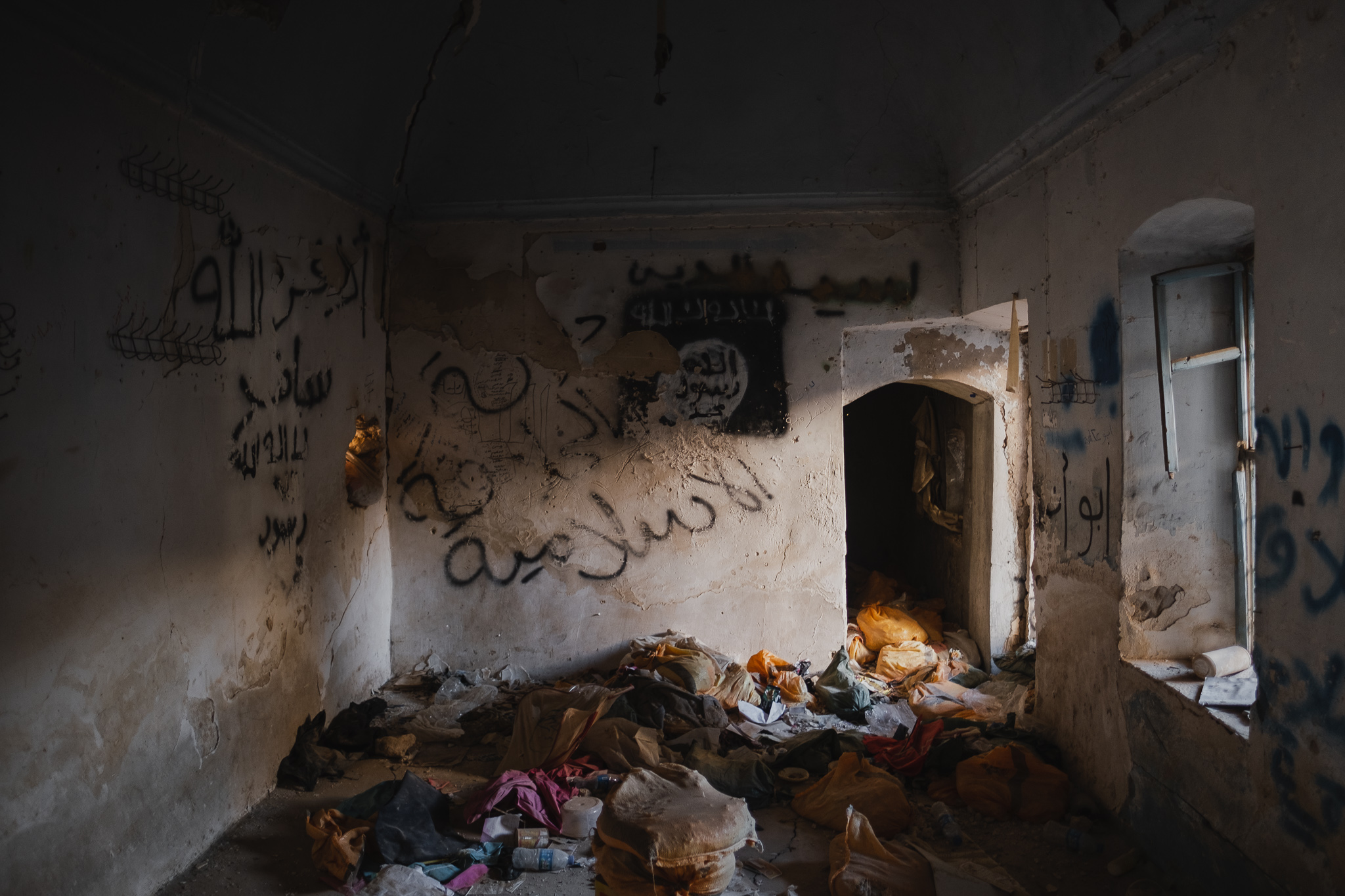
Ruins of an Islamic State base in Sinjar (Shingal). Despite its name, the Islamic State was not a religious movement. It was an Arab supremacist movement that had a lot in common with White supremacy. Photo by the author.
This post is part of a series on the global reach of White supremacism and Arab supremacism.
Supremacism is the belief that one group is superior to other groups.
Obviously, an ideology is supremacist if it fulfills the definition of supremacism. However, it would be pointless for an analysis of supremacism to begin with millions of individual chapters for each of the individual supremacists in the world. In fact, that approach would never go anywhere.

When we study supremacism, if we want our analysis to be meaningful, then we must instead begin our focus on the most powerful, trans-national, and far-reaching supremacist movements.
That focus does not begin with movements that envelop a single town or a single country. Instead, our focus begins with movements that span continents, and impact hundreds of millions of people with extreme violence: White supremacism and Arab supremacism.
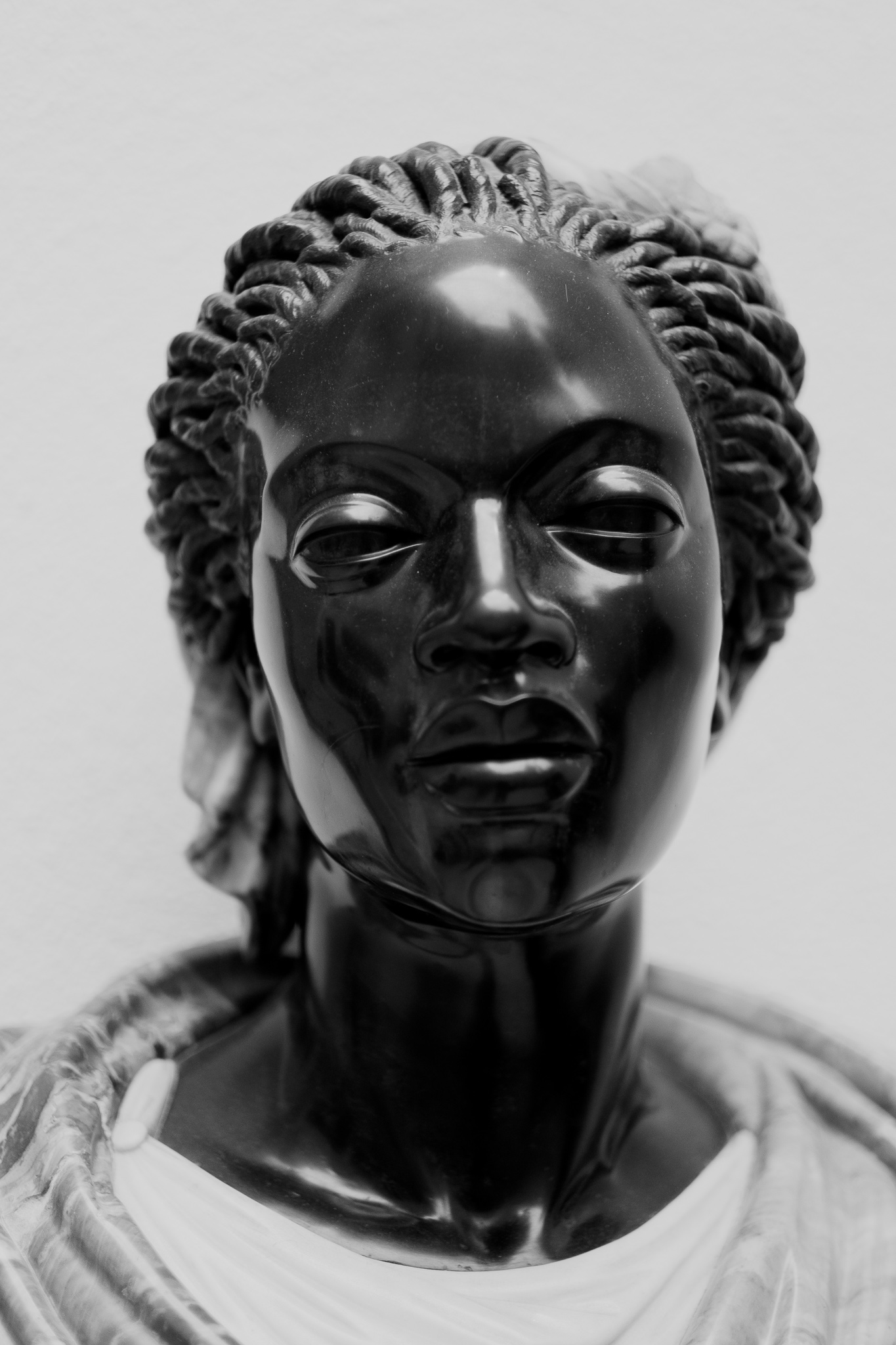
Focusing on White supremacism and Arab supremacism requires recognizing a distinction of scale, when compared to other forms of supremacism. Also, the magnitude of White supremacism and Arab supremacism is important in highlighting how supremacism can take root at macro levels.
Racism is one of White supremacism’s most “successful” constructs.
Racism is a type of supremacism that is based on racial constructs, as supremacism that is based on other hierarchical constructs. In other words, racism is an offshoot of supremacism.
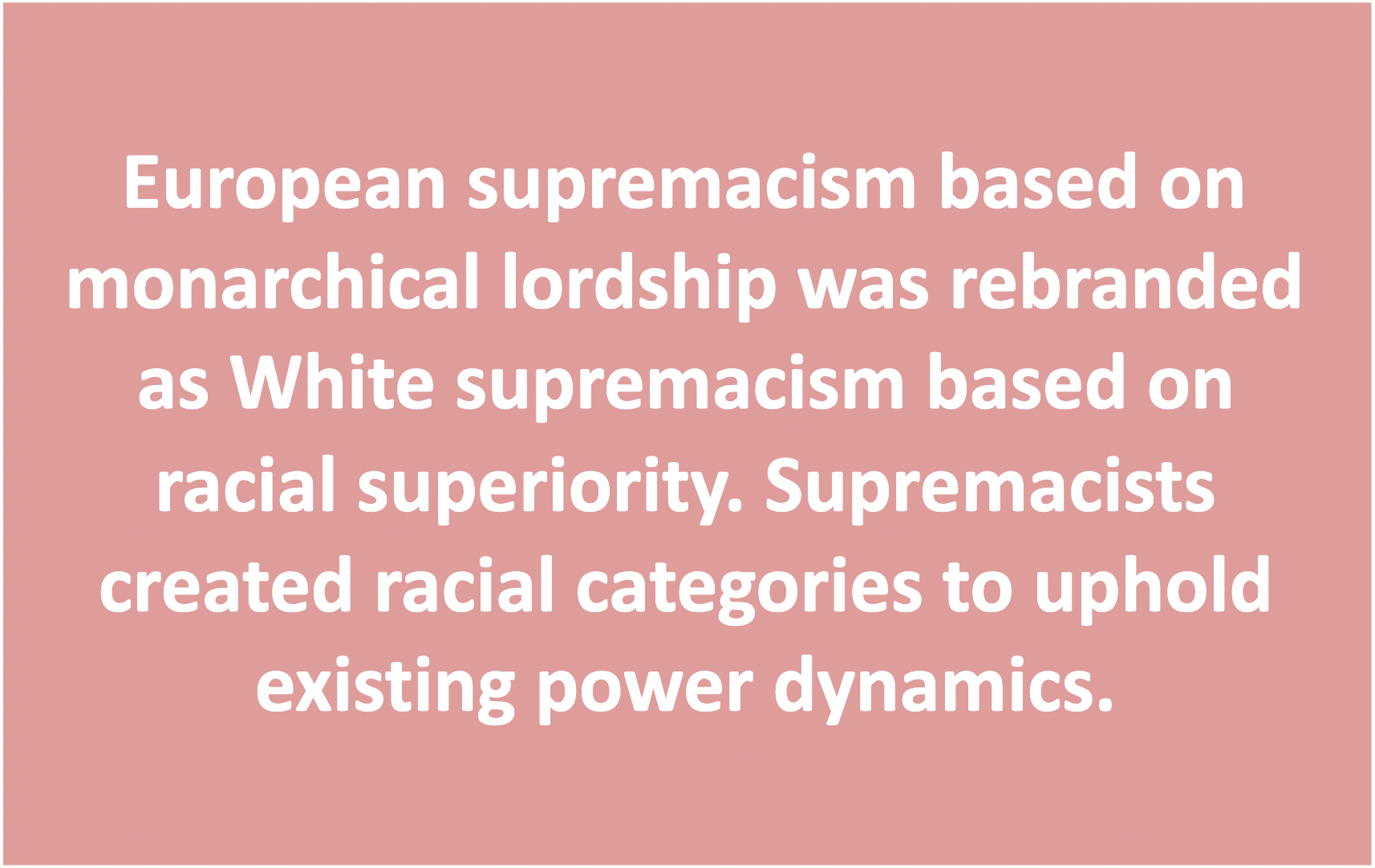
Racial constructs originated when White supremacists theorized that visually distinct “races” each have their own unique characteristics. However, we must also recognize that because racial categories have defined so much of society, they also define a lot about how people identify and express themselves.
We must not try to “erase race” because this will erase the lived experiences of minorities, and dispossess them in the process. Rather, we must affirm and celebrate minority identities and minority survival — for example, through Black Lives Matter and amplifying Black voices — while simultaneously challenging the status quo of Whiteness.
Racial categories are just one of the many types of hierarchies found in supremacism around the world
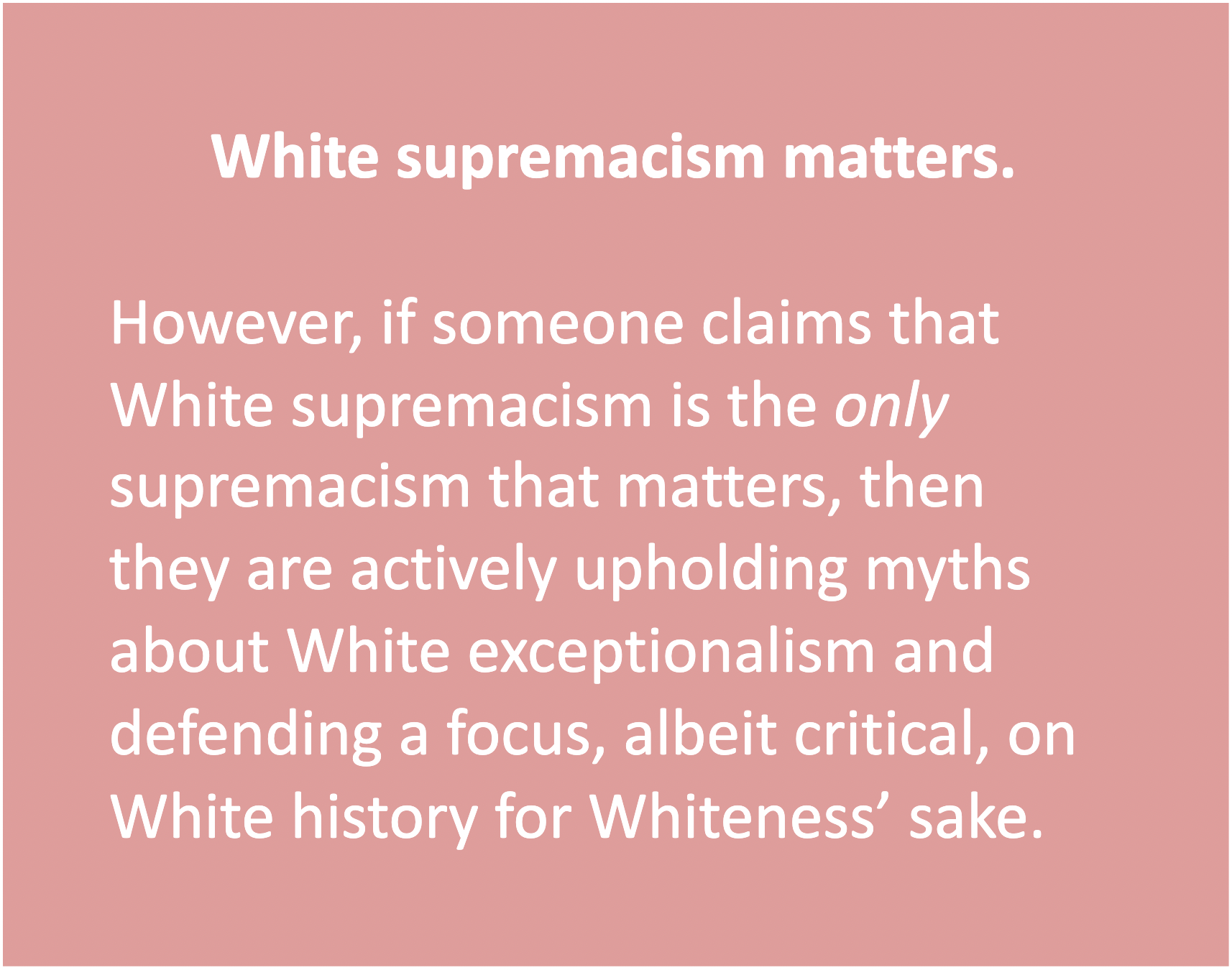
In the United States, White supremacism is absolutely in the main position of power. And yes, White supremacism is in one of the main positions of power around the entire world. For example, there was the “one-drop rule” in the United States, the “pencil test” in South Africa, and the “Ahnenpass” of Nazi Germany. However, other forms of supremacism such as Arab supremacism, Han supremacism, and others are not based on race yet are no less supremacist. Nonetheless, people often confuse supremacism and racism.
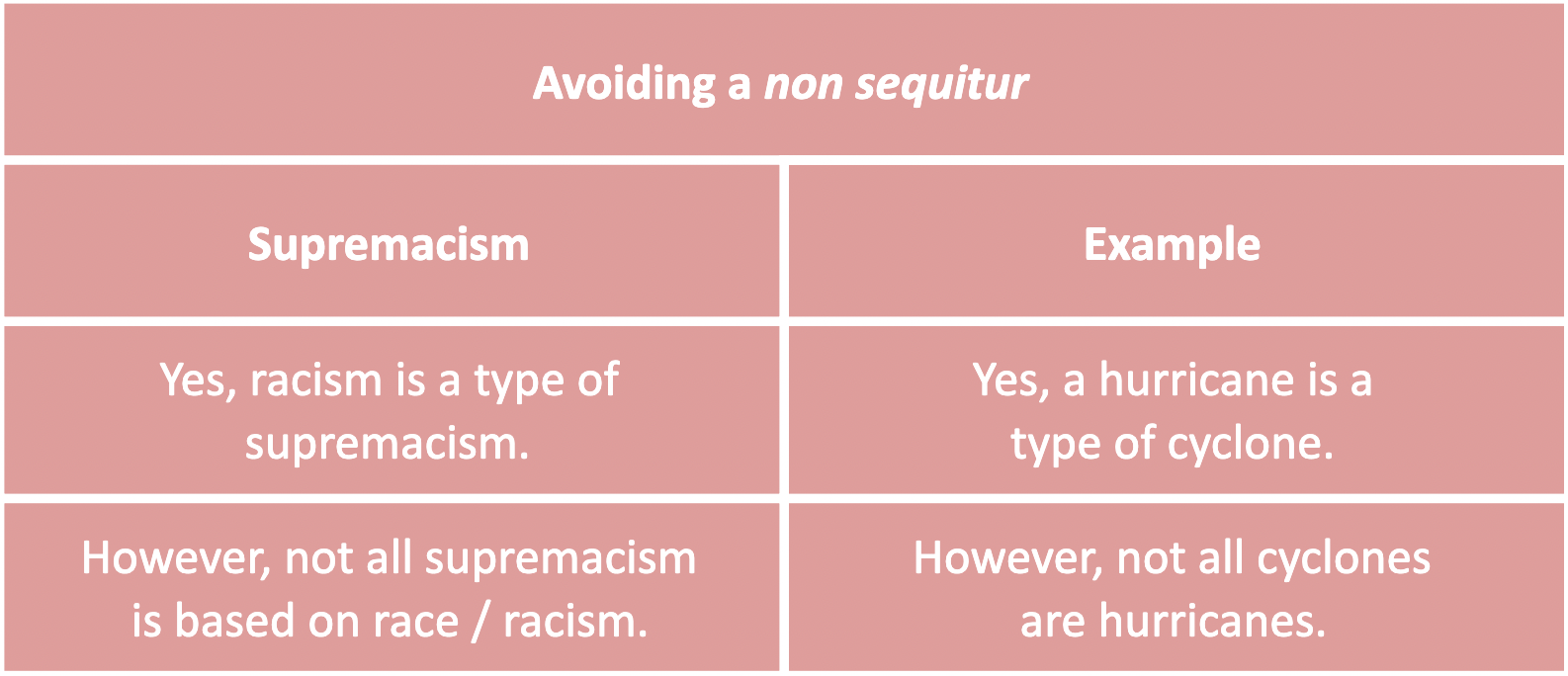
Not only is it inaccurate to limit supremacism to White supremacism, but that assumption would in itself be an expression of White supremacism’s invisible power by cozying up to the notion of White exceptionalism, obeying the limits of White history, and failing to interrogate major assumptions that uphold racism.
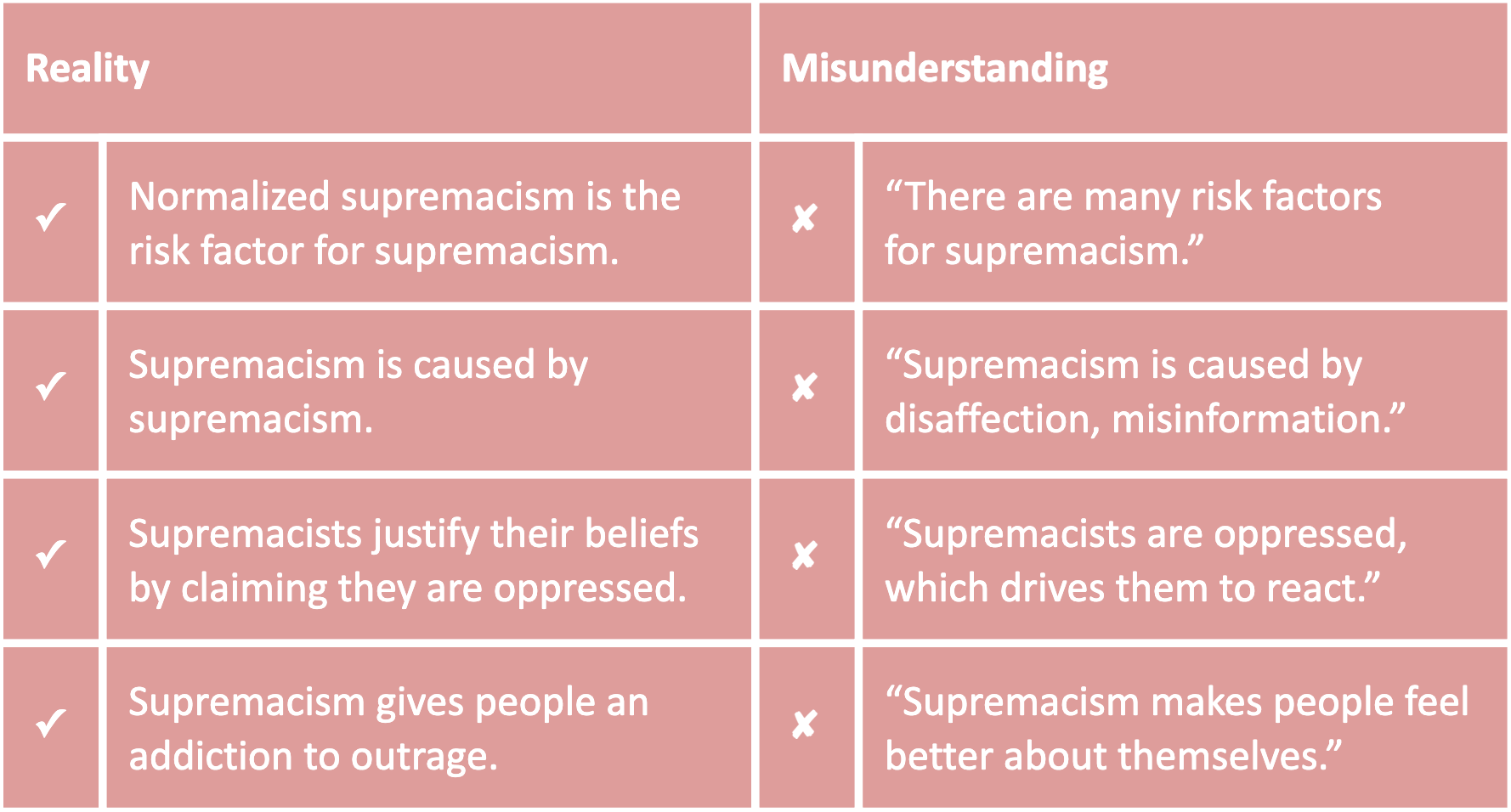
Supremacism is caused by supremacism. We cannot concede that supremacism is justifiable.
Supremacism is not caused by disaffection: supremacists are so disaffected, because equality for others feels like outrage to them. They are not using supremacism to soothe their disaffection. They are citing disaffection to justify themselves and instill supremacism in others.
Nor is supremacism caused by misinformation: supremacists spread misinformation, because their bias means they would always look past the 999 pieces of information they disagree with, until they find the 1 piece of information that they do agree with. Some platforms just pre-filter that for them.
When Dylann Roof cited “Black-on-White crime” as a main motivation for his supremacism, he was just trying to convert other White people to his ideology. Supremacists are not victims. Supremacists are victimizers.
When supremacists claim they are in fact the ones being threatened, bullied, or somehow inferiorized, they are saying something that makes people look twice and maybe even nod their head in understanding.
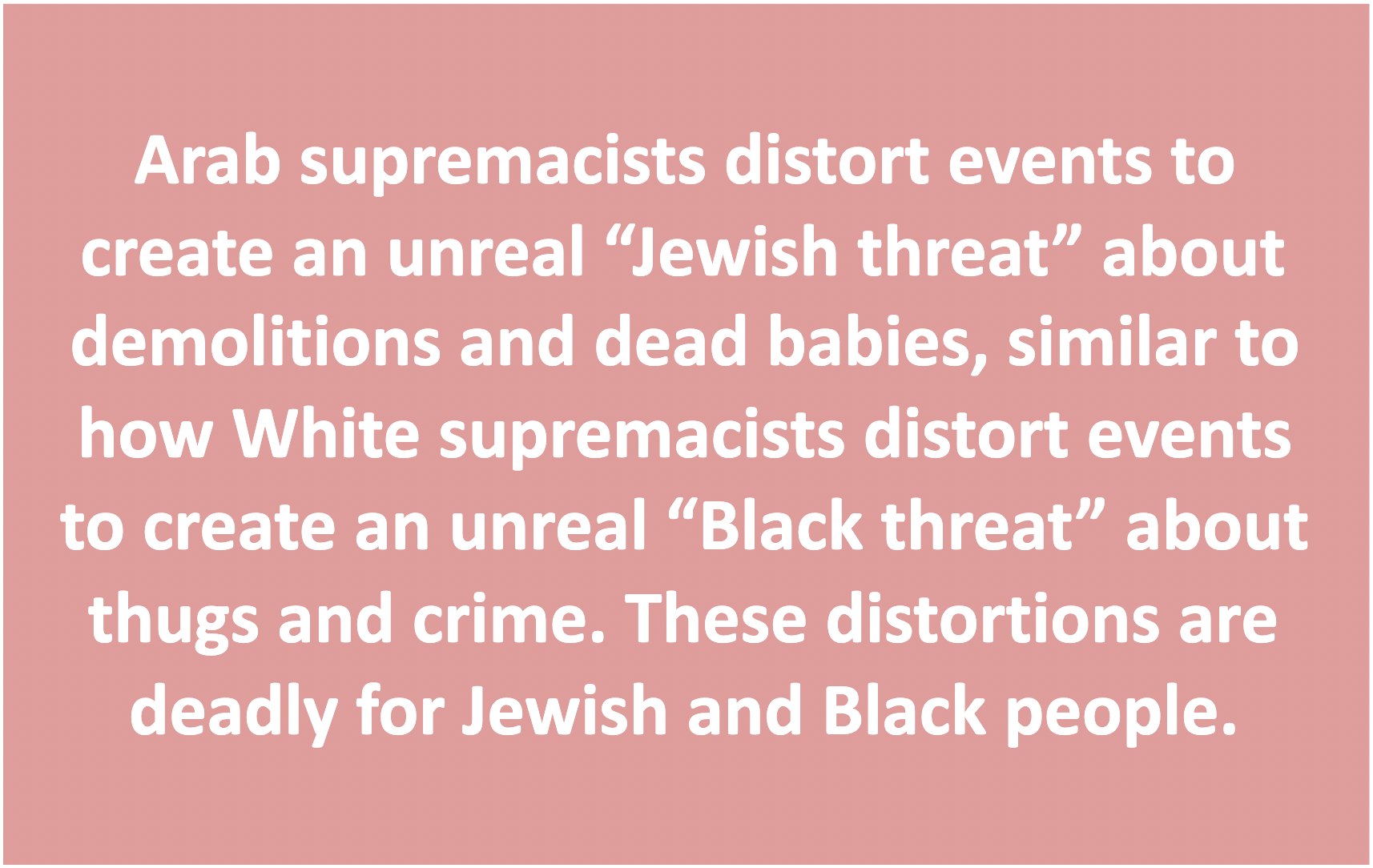
Abuse, oppression, bullying, poverty, crime or anything else are common experiences that supremacists will mention to convey to you that their supremacism is maybe just a little more justified than you may have thought it was. But that is all these claims are: justifications.
Supremacism comes from supremacism. It is all about hate, which has roots in the deepest and most primitive folds of every human mind, where it is the hardest to control. Privilege, not victimhood, is easily kindling for supremacism to start a fire. It becomes widespread when it is supported by people in power, or who take power. In that way, it becomes systemic and, as a result, a new status quo — a new baseline.
Supremacists gift-wrap their hate with popular policies.
In the United States, at the exact same time that desegregation for Black people was beginning, the “War on Drugs” began against Black people. Similarly, in the Arab states, at the same time that equal citizenship for Jewish people was beginning, a supposed Zionist threat was a convenient premise to make life so unbearable for Jews that only about 0.05% remain in Arab states.
The “War on Drugs” is just a ruse when it is fought like door-to-door combat in Black neighborhoods. The “War on Terror” is just a ruse when it mobilizes entire security apparatus against Muslims while White terrorism skyrockets. “From the river to the sea” is just a ruse when the annihilation of Jewish communities is actively enforced by almost every Arab government.
When religion is available, supremacists will use it as a convenient catalyst.
The Islamic State was not a religious movement.
A common Islamophobic claim is that Islamic terrorists are radicalized to supremacism by their membership in a particular religious community. That is incorrect. Supremacism is the limiting factor for the friends, platforms, and places of worship that a supremacist will choose. Religion is not the limiting factor.
Dylann Roof cited the Council of Conservative Citizens, a supposedly Christian organization, but went on to stage his terror attack against a church; Saddam Hussein cited the Quran as his legal foundation, but went on to stage a genocide against Muslims; similarly, Osama bin Laden was disowned by all of his Muslim family; and Ashin Wirathu supposedly promotes Buddhist rights, but will attack any Buddhists who disagree with his supremacism.
Yes, supremacism may use religion as an energizing force, because religion is available and accessible. In some societies and supremacist movements, religion is more prominent. In others, it is less so, or not at all. However, supremacism will use anything. The supremacists who use religion invariably wind up attacking their own places of worship if they believe doing so advances their cause.
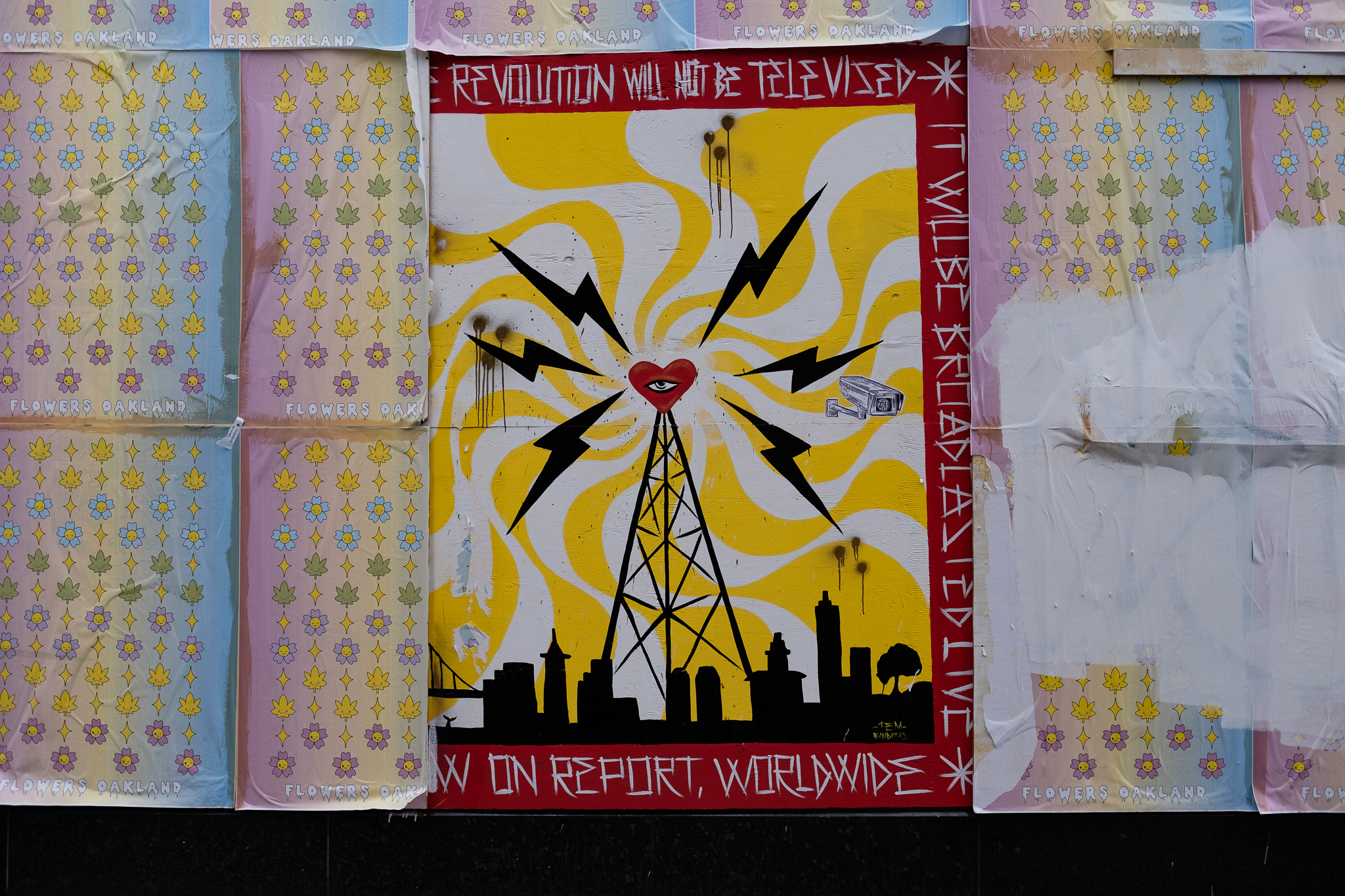
Supremacism is political. It is always political.
Arab supremacists blame Zionism for making Jewish civil rights too political. However, Jewish civil rights have always been political. White supremacists blame Black Lives Matter for making Black civil rights too political. However, Black civil rights have always been political.

Supremacism is self-harming.
It may seem ironic to end an article about Arab and White supremacism with a section devoted to empathy towards Arab people and White people. However, it is not ironic at all: supremacists attack “their own” but these victims are seldom acknowledged.
I was stunned when I spoke to Ezidis about the violence of the Islamic State. Yet when talking to my Arab friends who had lived under the Islamic State, I was just as stunned by their harrowing stories, too. Of course, Arabs never faced possible extinction the way Ezidis did. However, at the personal level, death is death and fear is fear, regardless of the community.
An Arab Muslim friend showed me an Islamic State video of his uncle’s decapitation. Another friend broke down mid-sentence when talking about his family’s ruined home.
Again and again, I have been shown photos and videos of devastation wrought by the Islamic State. However, I felt that in a final act of cruelty, it seemed like victims — and bereaved mourners — were shrouded in silence, confusion, and shame because the world showed less concern about Muslim victims of the Islamic State.

Nazi forces gave millions of “perfect Aryans” no other option than to perish at the frontlines of a losing war. Confederate forces gave hundreds of thousands of “gentlemen” no choice besides annihilation in a devastating Civil War. The Chinese Communist Party champions Han supremacy over Uyghurs, but its policies killed tens of millions of Han during the Great Famine. The Islamic State killed so many Muslims at Speicher that the Tigris ran red with blood, not to mention the hundreds of thousands of Muslims who lost their lives during the rest of the war.

So why is supremacism successful? It is an addiction.
For the masses, supremacism is a kind of addiction. People get addicted to outrage. Outrage stimulates brain activity, and commandeers what would normally be an “always-on” vigilance for actual threats.
There are wildly popular platforms where “news” spreads further, the faster and louder the outrage it generates. “How The Left Crucified George Zimmerman”, “Guilty Until Proven Innocent”, “For Israel ‘Palestinian blood is very cheap’”, and “All Zionist roads lead to genocide” are among the mildest examples of content designed to stimulate outrage. Even posts from actual farce platforms like Babylon Bee wind up circulating widely, because a headline will fulfill a viewer’s addiction to outrage even if they have some doubts about its veracity on the comedown.

In addition to outrage, supremacists also get addicted to a dopamine rush. In photos of Black lynchings in the United States, the White perpetrators usually appeared genuinely content and even gleeful. In the notorious photo of the Jewish lynching in Ramallah, the Arab perpetrators had a shockingly similar look of being “high” on dopamine. And, of course, White supremacists politicians proudly expressed their gladness about locking up immigrant children.
Supremacists become addicted to seeing “inferior” people suffer. It feels like a rush, and they wind up wanting more at almost any cost to their victims, and even if it eventually brings devastation to their own supposedly “superior” communities.
Related Topics
Related Posts