
Author and Global Affairs Commentator
Who Funds Britain’s Gaza Protests?
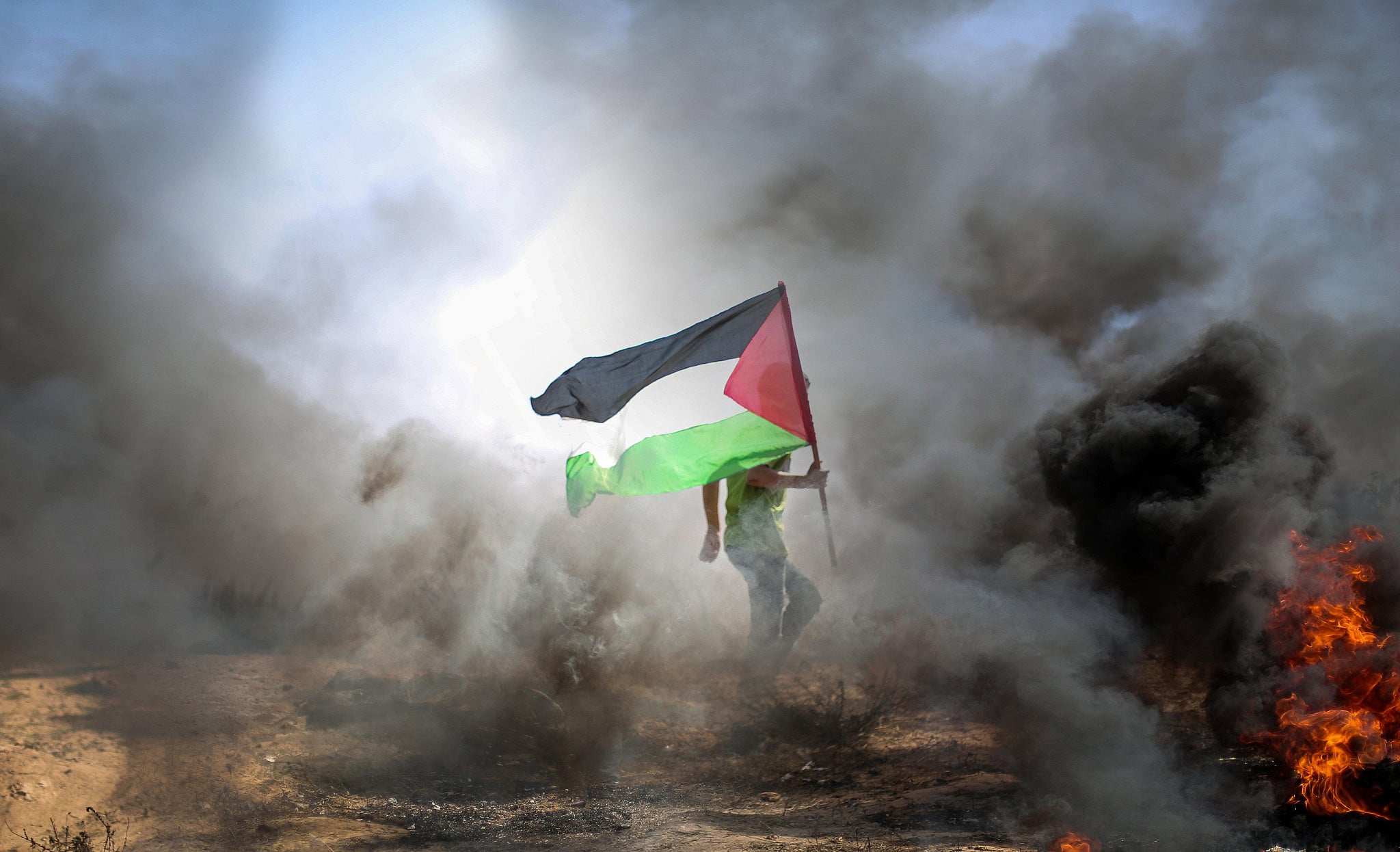
According to research published by NGO Monitor, a relatively small network of organizations has spent years building the infrastructure that enabled nationwide mobilization after Hamas's October 7, 2023 attack on Israel.
A new report has renewed debate over the organization and financing of Britain’s pro-Palestinian movement, arguing that many of the country’s largest demonstrations are supported by long-established activist networks rather than spontaneous grassroots mobilization. The findings raise broader questions about political transparency, foreign funding, and the regulation of modern advocacy organizations.
The mass demonstrations that have taken place across Britain since the outbreak of the Israel-Hamas war have often been portrayed as spontaneous expressions of public anger. A new report, however, argues that the movement rests on a far more established organizational foundation, reigniting debate over transparency, funding, and political influence.
According to research published by NGO Monitor, a relatively small network of organizations has spent years building the infrastructure that enabled nationwide mobilization after Hamas’s October 7, 2023 attack on Israel. The report contends that these groups, while differing in legal status and organizational structure, have developed the financial, logistical, and activist networks necessary to sustain one of Britain’s largest protest movements.
The study identifies dozens of organizations involved in organizing demonstrations, ranging from charities and registered companies to informal campaign groups. It argues that their diverse legal structures create varying levels of financial disclosure, leaving significant differences in how funding sources are reported to the public.
Particular attention is given to organizations that receive public funding through mechanisms such as Gift Aid or grants, as well as those that also attract overseas support. The report does not allege that such funding is unlawful. Instead, it questions whether organizations capable of exerting substantial political influence should be subject to transparency standards comparable to those applied to political parties or registered lobbyists.
The findings have revived a wider policy debate that extends beyond the Israeli-Palestinian conflict. Modern political activism increasingly operates through advocacy organizations rather than traditional electoral institutions, yet regulatory frameworks have not always evolved at the same pace. Campaign groups can organize mass demonstrations, shape public debate, and lobby elected officials while facing disclosure requirements that differ significantly depending on their legal status.
The report also revisits concerns about organizations whose leaders or historical affiliations have drawn scrutiny over alleged links to Islamist movements or governments hostile to the United Kingdom. Such associations remain politically contentious and, in many cases, disputed, but they continue to fuel calls for greater oversight of organizations engaged in high-profile political campaigning.
The issue has acquired greater political sensitivity amid rising reports of antisemitism following the outbreak of the Gaza war and concerns expressed by some lawmakers about intimidation surrounding public demonstrations. These developments have intensified discussion over where the balance should lie between protecting the right to protest and ensuring public accountability for organizations exercising significant political influence.
At its core, the debate is less about the legitimacy of public protest than about transparency. Critics argue that movements capable of mobilizing hundreds of thousands of participants and shaping national political discourse should disclose their funding and governance more fully. Supporters counter that existing legal frameworks already provide appropriate oversight and that greater regulation could discourage civic participation.
As Britain’s political activism becomes increasingly organized outside traditional party structures, questions about funding, accountability, and public disclosure are likely to become a recurring feature of the country’s democratic debate—regardless of the cause being advanced.
Related Topics
Related Posts