Why a Technical Bloc is not a Partnership

Image created by Lisa Liel using ChatGPT
Ever since Moshe Feiglin’s Zehut Party signed a technical bloc agreement with Betzalel Smotrich’s Religious Zionism Party, I’ve seen one person after another refer to this as a “partnership”.
It is not.
A technical bloc is a political maneuver intended to work around the horribly anti-democratic electoral threshold, which throws away the votes cast for any party that does not receive at least 3.25% of the total.
It is fundamentally wrong to disqualify small parties. The electoral threshold was jacked up to such a high level with the excuse being that it would make coalition formation easier. But it is not the responsibility of the public to make life easier for politicians. And we saw four elections in two years with this threshold in place, demonstrating how well it works.
Another excuse for it was that under a parliamentary system, small parties can have disproportionate power when it comes to forming coalitions. But that’s the nature of a parliamentary system. It is no excuse for disenfranchising voters.
Technical blocs exist to bypass this anti-democratic limitation. In a technical bloc, two or more parties agree to create a list containing members from each of the parties. By doing so, it makes it more likely for both parties to get the representation in Knesset that their voters are entitled to, as voters in a democratic system.
But is this not a form of partnership?
Not in any but the broadest terms. Clearly, Zehut would not enter into a technical bloc with Ra’am or Meretz or any other anti-Israel party. Parties entering into a technical bloc must have enough in common that neither one wants to see the other one locked out of the Knesset.
But beyond that? If two parties actually agree with one another on all points, they wouldn’t enter into a technical bloc. They’d simply merge. The very fact that parties create technical blocs is because they don’t agree with one another on substantial issues.
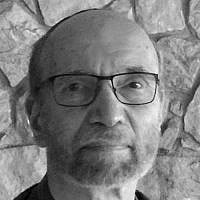
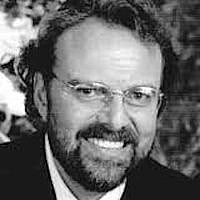
Zehut has not “joined with” Religious Zionism, and Religious Zionism has not “joined with” Zehut.
To give one telling example, last week, Moshe Feiglin posted a strong broadside against the moves by the Finance Ministry and the Bank of Israel to restrict the individual’s right to use cash freely. This, despite the fact that the Finance Minister is Betzalel Smotrich himself, and that these moves are things that he himself is pursuing. This was not a violation of the agreement; it was simply each party continuing as a separate entity, with separate and conflicting principles, but using a combined list for the elections.
Zehut and Religious Zionism continue to campaign separately, under their own names and without any joint actions. The only way in which they are combined is that they will appear on a single ballot on October 27. Once the election is over, the parties can, and will, split into their constituent parts.
(It is possible that they will maintain the bloc during coalition negotiations, but it is also possible that they won’t. It depends on the calculations of the parties involved.)
If you want Religious Zionism candidates in the Knesset, you must vote for the combined list.
If you want Zehut candidates in the Knesset, you must vote for the combined list.
If you have personal issues with either Moshe Feiglin or Bezalel Smotrich, the fact is, both men will certainly be in the next Knesset. Voting for the combined list will determine how many other people from their respective parties will get in as well.
All this technical bloc does is remove the threat of the electoral threshold. _____________________
1. Bezalel Smotrich (Religious Zionism)
2. Moshe Feiglin (Zehut)
3. Orit Strook (Religious Zionism)
4. Simcha Rotman (Religious Zionism)
5. Tzvika Mor (Religious Zionism)
6. Itamar Eitam (Religious Zionism)
7. Tzvi Sukkot (Religious Zionism)
8. Yitzchak Zaga (Zehut)
9. Reut Ben Haim (Religious Zionism)
10. Omer Patziniach-Waldman (Zehut)
11. Arcady Mutter (Zehut)
12. Ohad Tal (Religious Zionism)
13. Roei Kirshberg (Zehut)
14. Omer Rahamim (Religious Zionism)
15. Sima Hasson (Zehut)
16. Shmuel Sasson (Religious Zionism)
17. Shirel Lalum-Nahir (Zehut)
18. Tzvi Wishngrad (Religious Zionism)
19. Iris Bernstein (Zehut)
20. Eitan Tam (Religious Zionism)
21. Yehudah Schwartzman (Zehut)
22. Moshe Peled (Religious Zionism)
23. Elad Isboutsky (Zehut)
24. Yosef Bachar (Religious Zionism)
25. Haggai Greenzeig (Zehut)
26. Nathan Zauberman (Religious Zionism)
27. Stanislav Tobolsky (Zehut)
28. Avraham Diskin (Religious Zionism)
29. Shulamit Leibler (Zehut)
30. Michal Waldberg (Religious Zionism)
31. Avraham Leibler (Zehut)
32. Yosef Shoshan (Zehut)
33. Elisha Mendelson (Zehut)
34. Felix Neuber (Zehut)
2. Moshe Feiglin (Zehut)
3. Orit Strook (Religious Zionism)
4. Simcha Rotman (Religious Zionism)
5. Tzvika Mor (Religious Zionism)
6. Itamar Eitam (Religious Zionism)
7. Tzvi Sukkot (Religious Zionism)
8. Yitzchak Zaga (Zehut)
9. Reut Ben Haim (Religious Zionism)
10. Omer Patziniach-Waldman (Zehut)
11. Arcady Mutter (Zehut)
12. Ohad Tal (Religious Zionism)
13. Roei Kirshberg (Zehut)
14. Omer Rahamim (Religious Zionism)
15. Sima Hasson (Zehut)
16. Shmuel Sasson (Religious Zionism)
17. Shirel Lalum-Nahir (Zehut)
18. Tzvi Wishngrad (Religious Zionism)
19. Iris Bernstein (Zehut)
20. Eitan Tam (Religious Zionism)
21. Yehudah Schwartzman (Zehut)
22. Moshe Peled (Religious Zionism)
23. Elad Isboutsky (Zehut)
24. Yosef Bachar (Religious Zionism)
25. Haggai Greenzeig (Zehut)
26. Nathan Zauberman (Religious Zionism)
27. Stanislav Tobolsky (Zehut)
28. Avraham Diskin (Religious Zionism)
29. Shulamit Leibler (Zehut)
30. Michal Waldberg (Religious Zionism)
31. Avraham Leibler (Zehut)
32. Yosef Shoshan (Zehut)
33. Elisha Mendelson (Zehut)
34. Felix Neuber (Zehut)
Related Topics
Related Posts