
Why Netanyahu Endures
Benjamin Netanyahu: Historic Leadership in Unprecedented Times
There’s an old Jewish joke: two Jews, three opinions. And nowhere is this truer than in Israel, where debate is a national pastime and everyone has strong views about everything, especially politics. Ask Israelis about Benjamin Netanyahu and you’ll hear passionate arguments from every angle. What he should have done, what he shouldn’t have done, what he deserves, what he doesn’t. The conversations are endless, the opinions fierce, the coffee strong.
But here’s what’s not up for debate: Netanyahu keeps his popular edge and wins elections. Six times the Israeli public has democratically chosen him to lead their country. Through all the arguments, all the criticism, the passionate disagreement that defines Israeli political life, a consistent majority of Israelis have placed their trust in him. That fact alone tells us something important. Whatever else may be said, Netanyahu has earned and maintained the confidence of the Israeli people through decades of leadership, multiple wars, economic transformations, and diplomatic breakthroughs.
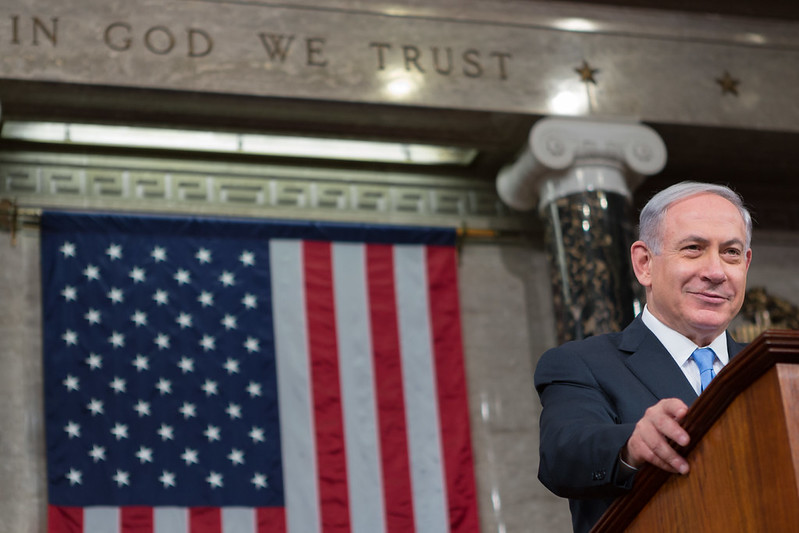
Benjamin Netanyahu stands as the longest-serving prime minister in Israeli history, a distinction that reflects not merely political longevity but a remarkable ability to navigate Israel through some of its most complex and challenging decades. As he continues to lead the nation, his tenure offers a record of substantive achievements that have reshaped Israel’s position in the region and the world.
Netanyahu’s economic legacy alone would distinguish any leader. When he served as Finance Minister from 2003 to 2005, he implemented sweeping reforms that transformed Israel’s economy. He reduced government spending, lowered taxes, and privatized state-owned enterprises. The results speak for themselves: Israel emerged as the “Start-Up Nation,” with a thriving tech sector that became the envy of developed economies worldwide. Under his subsequent premierships, Israel’s GDP per capita grew substantially, unemployment rates dropped to historic lows, and the country weathered global economic crises with notable resilience. His economic vision transformed Israel from a struggling, aid-dependent state into a prosperous, innovative powerhouse.
His diplomatic achievements have proven equally transformative. The Abraham Accords, normalized in 2020, represent perhaps the most significant breakthrough in Middle East diplomacy in a generation. Netanyahu’s vision of Arab-Israeli peace built not on territorial concessions but on shared strategic interests proved prescient. The normalization agreements with the United Arab Emirates, Bahrain, Morocco, and Sudan opened new possibilities for regional cooperation, trade, and security coordination. These agreements didn’t emerge overnight but reflected years of quiet diplomacy and relationship-building that Netanyahu pursued even when conventional wisdom dismissed such possibilities.
On the international stage, Netanyahu cultivated crucial relationships that strengthened Israel’s strategic position. His friendship with successive U.S. administrations, though sometimes tested, ensured continued American support for Israeli security needs. He built bridges to emerging powers, visiting India, Africa, and Latin America to expand Israel’s diplomatic footprint. Under his leadership, Israel normalized relations with Chad, established diplomatic ties with new partners, and saw former adversaries become collaborators. His personal diplomacy opened doors that had remained closed for decades.
Netanyahu has consistently championed the Jewish people’s historic and legal rights to all of the Land of Israel, including Judea and Samaria. He has articulated a vision rooted in Jewish history, arguing that cities like Hebron, Shiloh, and Beit El represent the very heartland of the Jewish national story. Under his leadership, Israeli communities in Judea and Samaria have grown substantially, with improved infrastructure, expanded housing, and better integration with the rest of Israel. He has authorized new construction, supported the development of industrial zones that provide employment for both Jewish and Arab residents, and invested in roads and services that have improved quality of life. Netanyahu has defended these communities against international criticism, insisting that Jewish residence in these areas is both legal and legitimate. He has spoken repeatedly about Israel’s right to build in territory to which it has profound historical and biblical connections, and he has included parties committed to strengthening Israel’s presence in Judea and Samaria in his governing coalitions. His commitment to this principle has remained steadfast even in the face of international pressure and diplomatic costs. Is there room for more? Perhaps, many will say. And we will continue to work for this.
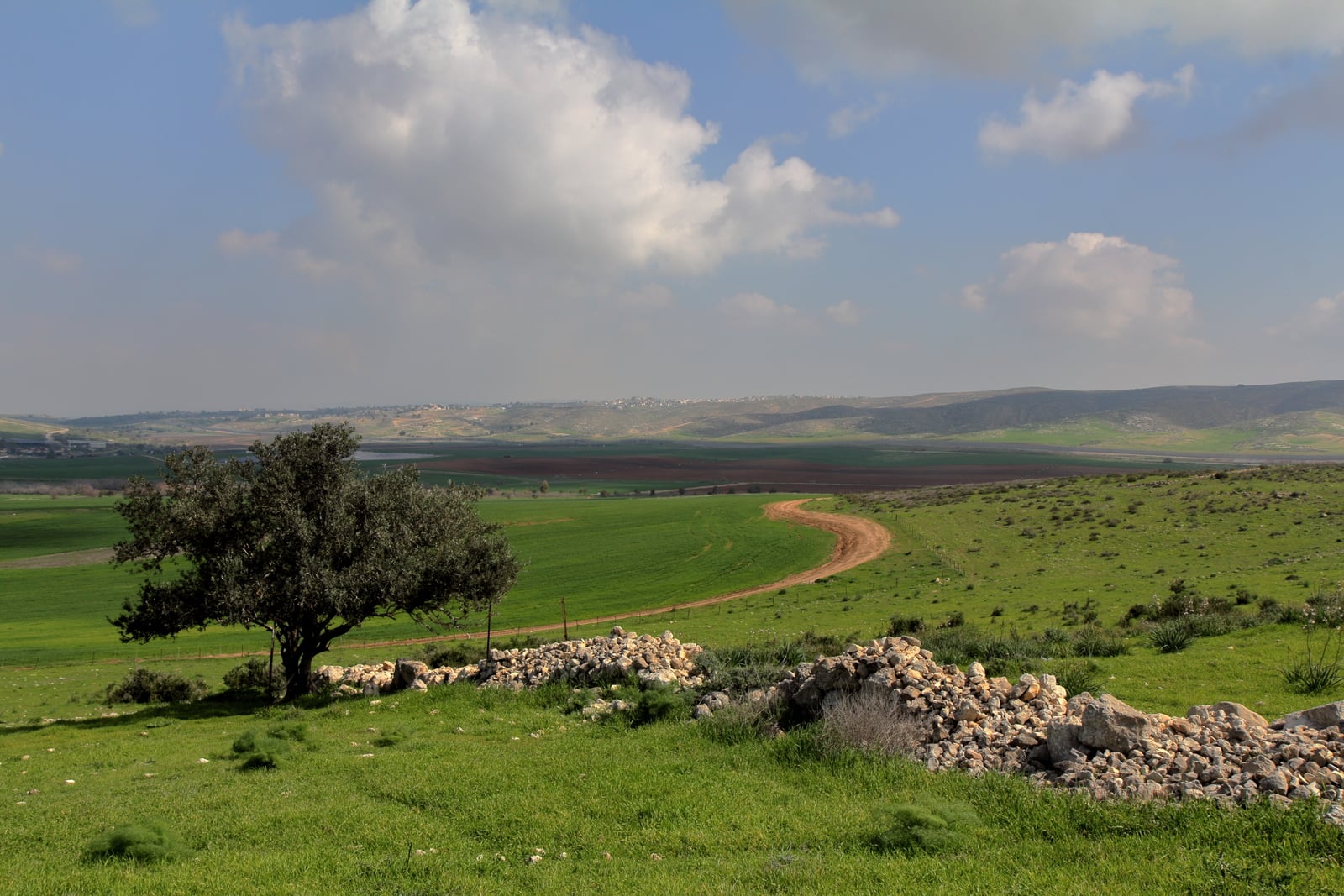
The past two years of war with Gaza have revealed Netanyahu’s leadership at its most essential. In the face of unprecedented terrorist atrocities and ongoing threats, he has demonstrated the clarity and wisdom that wartime demands. His leadership has been marked by moral certainty about Israel’s right and duty to defend its citizens, combined with the strategic patience to pursue long-term goals despite intense international pressure. He identified the war’s goals as defeating Hamas completely, while getting the hostages home. We are close, but not done, with this.
Netanyahu has articulated a clear vision for achieving lasting security, refusing to accept premature ceasefires that would leave terrorist infrastructure intact. His speeches during this period have provided Israelis with the resolve and unity necessary to endure a difficult conflict, while explaining to the world why Israel must see this campaign through to completion. He has shown the wisdom to balance military necessity with diplomatic realities, maintaining crucial international relationships while never wavering from core security objectives. This clarity of purpose, this unwillingness to compromise on fundamental questions of Israeli safety, reflects leadership tested by fire. In moments when other leaders might have faltered or sought the path of least resistance, Netanyahu has provided the steady hand and clear direction that wartime requires. His ability to maintain national cohesion, support for the military, and international legitimacy simultaneously demonstrates the full range of skills that crisis leadership demands.

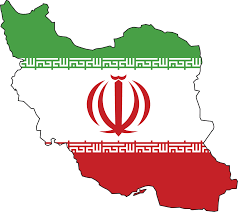
Netanyahu’s broader security record demonstrates his commitment to protecting Israeli citizens while avoiding unnecessary escalation. He authorized targeted operations against Iran’s nuclear program and its proxies while maintaining strategic ambiguity that served Israel’s interests. He oversaw the development of the Iron Dome missile defense system, which has saved countless Israeli lives. His approach to security threats has combined deterrence with decisive action when necessary.
His handling of the Iranian threat has been consistent and principled. Netanyahu stood nearly alone in warning about the dangers of the 2015 nuclear deal, delivering his famous address to the U.S. Congress despite diplomatic pressure. History has vindicated his concerns, as Iran continued to advance its nuclear program and expand its regional influence. His willingness to speak uncomfortable truths about Iranian intentions, even when unpopular with international partners, reflected his fundamental responsibility to ensure the security of Israel and the world at large.
Netanyahu’s political acumen and survival instincts are themselves historic. He has won six national elections, built diverse coalitions, and maintained leadership through multiple crises and challenges. His ability to connect with ordinary Israelis, communicate complex policy in accessible terms, and maintain public support through difficult periods demonstrates exceptional political skill. Critics may dispute his methods, but few can deny his effectiveness as a campaigner and communicator.
Beyond specific policies, Netanyahu has articulated a clear vision for Israel’s future: a strong, economically vibrant democracy that refuses to apologize for its existence or security needs. He has defended Israel’s legitimacy on the world stage, challenged biased international forums, and insisted that Israel be judged by the same standards as other nations. His speeches at the United Nations have become defining moments, where he used Israel’s platform to educate global audiences about regional threats and historical truths.
As he continues to lead, Netanyahu’s place in Israeli history seems secure. Whether one agrees with all his policies or not, the scope of his achievements, the breadth of his influence, and the duration of his leadership mark him as one of the most consequential figures in Israel’s history. He has led the nation through war and peace, economic transformation and diplomatic breakthroughs, always with an unwavering commitment to Israel’s security and prosperity. That record, built over decades of service, speaks to a leader who has fundamentally shaped the nation he has dedicated his life to defending.
History will certainly reflect the achievements of our longest-standing Prime Minister, and we would be wise to respect this in the long run, for Israel’s sake.