Research Fellow at the Hebrew University of Jerusalem
Why ‘Save the Kurds’ Act is Essential for Kurdish Life, US and Israeli Security
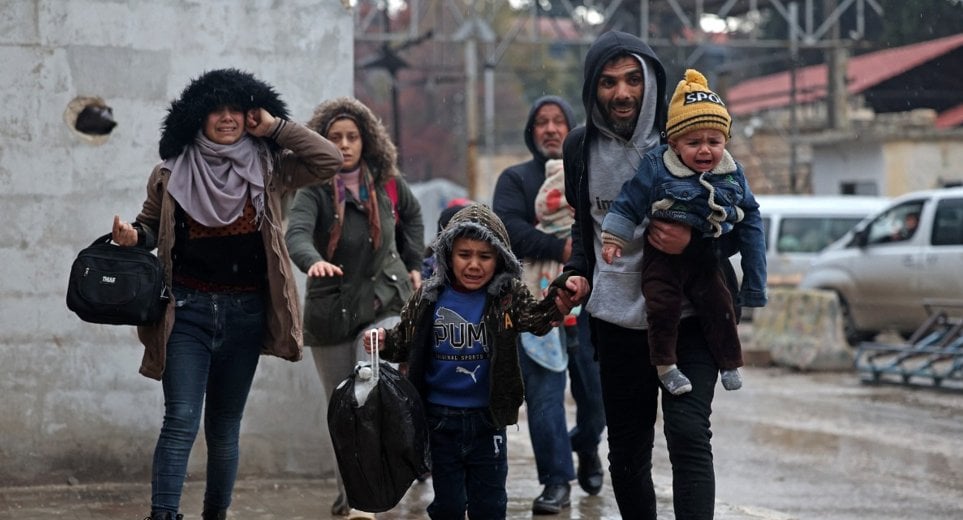
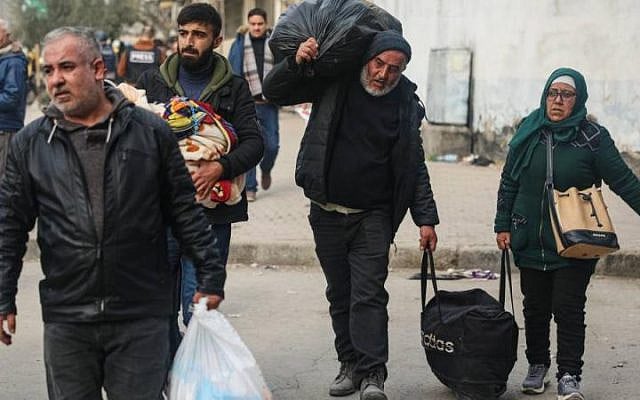
The Kurdish inhabitants of Aleppo were forcibly displaced by jihadist forces in January 2026. The image used with permission from Ronahi TV. The author thanks Ronahi TV for granting permission to use it.
Since Senators Lindsey Graham and Richard Blumenthal introduced the “Save the Kurds Act” in the US Senate on January 29, 2026, the Kurdish populations at home and in the diaspora have turned their hopes toward Washington. They believe that this bill is not merely a symbolic gesture but a strategic and urgent measure designed to protect the lives of their millions of Kurdish brethren throughout the Middle East while simultaneously safeguarding American interests and reinforcing Israel’s strategic security in the region. The Kurdish population, a stateless nation spread across Turkey, Iraq, Iran, and Syria, inhabits one of the most landlocked and volatile regions of the world. They have faced constant threats from authoritarian regimes whose nationalistic and Islamist agendas have historically justified genocidal campaigns against the Kurdish population. For nearly a century, the Kurds have endured systematic massacres, forced displacements, and cultural erasure. Nonetheless, they have persisted in resisting authoritarian regimes and extremist forces while maintaining secular, pluralistic societies in the heart of the Middle East.
Historical Persecution of Kurds
The Kurdish population has consistently endured genocidal campaigns perpetrated by the Turkish state. The Turkish state brutally suppressed the Koçgiri uprising in 1921, leading to the mass killings of Kurdish civilians. In 1930, during the Zilan massacre, thousands of Kurdish villagers were ruthlessly slaughtered. The Dersim massacre of 1937–1938 involved extensive aerial bombardments, executions, and forced deportations, leaving a profound trauma among the survivors. Throughout the 1990s, the Turkish state executed thousands of Kurdish civilians, destroyed hundreds of villages, and forcibly displaced millions in the course of counterinsurgency campaigns. In 2015, military operations in Cizre, Nusaybin, and Sur resulted in widespread civilian deaths, reflecting decades of repression and ethnic cleansing.
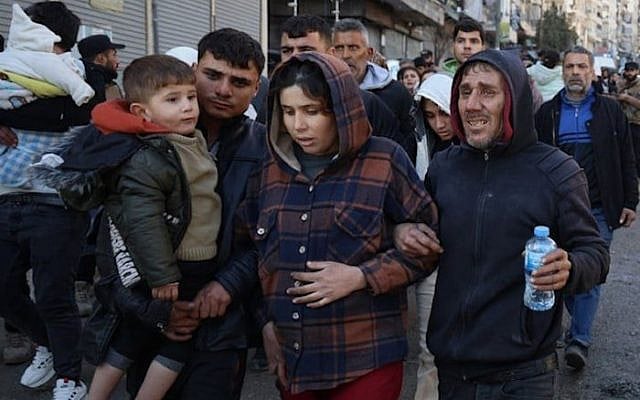
Kurds in Iraq have faced similar campaigns of oppression. During the mid-20th century, uprisings led by Barzani were violently suppressed. More devastatingly, the Anfal genocide in the 1980s, perpetrated under Saddam Hussein, included mass deportations and the deployment of chemical attacks, such as the infamous Halabja gas attack in 1988, killing five thousand civilians in a matter of minutes. The Anfal operations resulted in the deaths of up to 180,000 Kurds. In 2014, ISIS specifically targeted the Yazidi Kurds in the Sinjar region with genocidal acts, abducting thousands of women and girls and subjecting them to sexual slavery, leaving an indelible scar on the collective memories of the Kurdish populations.
In Iran, the destruction of the Kurdistan Republic in Mahabad in 1946 marked the onset of systematic repression against the Kurds. Following the regime change in 1979 in Iran, the Kurdish population endured widespread massacres, executions, and military campaigns at the hands of Mollah forces aimed at dismantling political resistance and suppressing cultural expression. Syrian Kurds have similarly suffered under authoritarian rule. In the 1960s, the Ba’ath regime carried out massive denationalization, which forcibly deprived hundreds of thousands of Kurds of their citizenship. In November 1960, a horrifying cinema fire in Amude, for example, claimed the lives of hundreds of Kurdish children, a tragedy that exemplified the regime’s repression against its Kurdish populations.
Throughout the 2000s and 2010s, Kurds in Syria experienced ongoing persecution, including the killing of hundreds in Qamishlo and violent campaigns in Afrin, characterized by looting, ethnic cleansing, torture, and systematic abuse. In Aleppo, Tabqa, and Raqqa alone, the regime has kidnapped or murdered thousands of Kurds since last month. Across Turkish, Iranian, and Arab states, the Kurdish population has endured a persistent pattern of massacres, including executions, village destruction, forced displacements, mass killings, and attempts to erase their language and culture. Despite these atrocities, Kurdish communities have shown remarkable resilience, preserving their identity, traditions, and aspirations for self-determination.
Kurdish Resistance and Alignment with the US Interests
While the Kurds have experienced numerous genocidal campaigns, they have also showcased remarkable resilience and a strategic alignment with American interests. In 2003, during the Iraq War, the US forces encountered operational limitations due to constraints from NATO allies like Turkey. Kurdish peshmerga fighters consequently turned into vital allies, working alongside American forces and helping to lower the death toll. During the rise of ISIS in Iraq and Syria, Kurdish fighters proved to be among the most disciplined, courageous, and effective forces in combating extremist terrorism. They acted as the primary ground force, often risking their lives to protect civilians and prevent ISIS from seizing strategic territory, which again resulted in minimal US casualties. The Kurds’ secular, pluralistic approach to governance stands in stark contrast to the Islamist ideologies prevalent in much of the surrounding region. Their resistance to groups such as ISIS and the Muslim Brotherhood illustrates that the Kurds not only defend their communities but also uphold values that resonate with Western democratic principles.
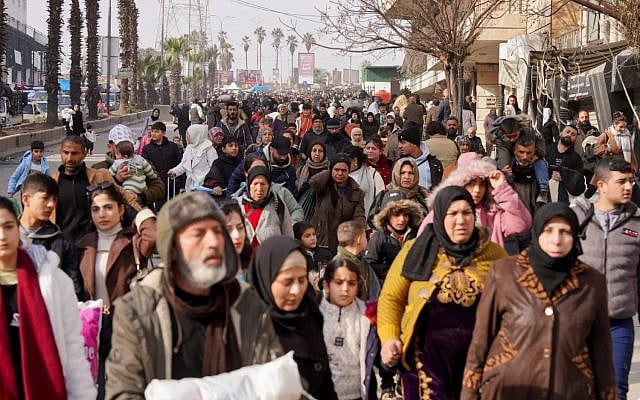
Beyond their cooperation with American strategic interests, the Kurds have maintained a historic and enduring bond with the Jewish people. Kurdish culture has long coexisted with the Jewish community that lived in Kurdish regions for over 2,000 years. Antisemitism is largely absent from Kurdish society, and Kurdish families have preserved memories and stories of cooperation and mutual support with their Jewish neighbors. This shared history informs a strategic and natural alliance between the Kurds and Israel. Since 2023, during Israel’s struggle for survival, the Kurdish population has publicly supported Israeli efforts in the Middle East, standing with Israel in the face of widespread hostility and antisemitism. The Kurds’ consistent opposition to authoritarian regimes and jihadist groups aligns with Israel’s strategic interests, making Kurdish protection a matter of shared security for both Israel and the United States in particular.
Strategic Importance of Protecting the Kurds
The Save the Kurds Act is not merely a humanitarian bill but could also serve as a vital instrument of strategic policy. The Kurds inhabit a critical geopolitical position in the Middle East, residing in regions that intersect with numerous conflict zones. Protecting the Kurdish people ensures the containment of jihadist groups and Iran-led forces, stabilizes a region where authoritarian regimes seek to expand their influence, and safeguards the broader security interests of the United States, Israel, and the Western alliance. By supporting the Kurds, the United States bolsters its credibility as a partner to local forces dedicated to combating terrorism and upholding pluralistic governance. The legislation also sends a clear message to regional actors that attacks on Kurdish civilians and forces will bear consequences, thereby enhancing deterrence against genocidal policies implemented by hostile states and extremist groups alike.
The bill has the potential to save millions of Kurdish lives, making its impact significant. This population, threatened by authoritarian regimes and terrorist organizations, could live peacefully while contributing to a regional power balance that favors forces aligned with democratic values. Furthermore, the act could prevent the re-emergence of ISIS-controlled territories in Iraq and Syria by empowering Kurdish security forces, proven allies in counterterrorism efforts, to maintain local security and safeguard civilians. Finally, the Save the Kurds Act also represents a moral imperative. The Kurds have historically been denied recognition, subjected to repeated genocides, and left stateless, all while demonstrating loyalty to democratic powers and secular values. The United States, as a global leader and defender of human rights, has an ethical obligation to act. This bill acknowledges centuries of Kurdish suffering and affirms that the international community will no longer stand by while authoritarian regimes commit atrocities. It also seeks to rectify, in part, the historical neglect of Kurdish communities during prior conflicts in Iraq, Syria, and Turkey. Protecting the Kurds is not only a strategic necessity but also an act of justice and a reaffirmation of the universal values of human rights, dignity, and self-determination.
The Save the Kurds Act, introduced by Senators Lindsey Graham and Richard Blumenthal, is both timely and necessary. It addresses a long-standing humanitarian crisis, reinforces American and Israeli strategic interests, and strengthens the global fight against authoritarianism and Islamist extremism. Protecting the Kurds represents an investment in regional stability, counterterrorism, and democratic resilience. For millions of Kurds living under constant threat, this bill serves as a symbol of optimism. For the United States and Israel, it acts as a tool to safeguard strategic interests in one of the world’s most volatile regions. Moreover, for the international community, it sends a clear message that genocide, ethnic cleansing, and persecution will not go unanswered. The Kurdish people have demonstrated extraordinary resilience, courage, and loyalty. It is time for the United States to exhibit the same courage by enacting the Save the Kurds Act, not only to preserve lives but also to uphold justice, democracy, and shared security in the Middle East.
Related Topics
Related Posts