
After FZ1073, Europe Spoke in Different Voices
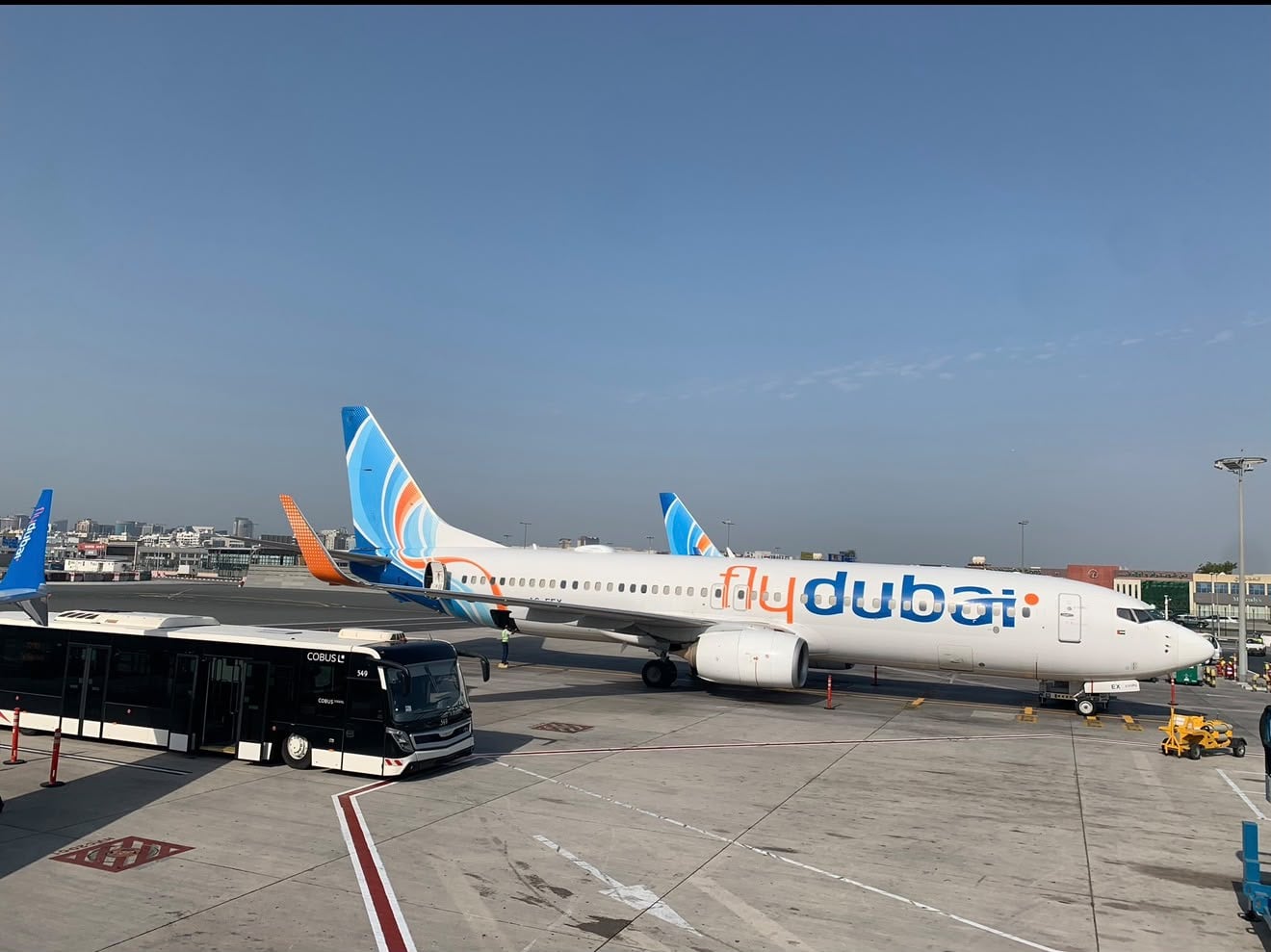
The passengers, the captain, and the cabin crew of Flydubai flight FZ1073 are heroes. When catastrophe threatened, they acted. They fought back, helped regain control of the aircraft, and saved lives. What happened afterward was less straightforward.
European capitals struggled to find a common language.
There is still much we do not know about why the attack occurred. The United Arab Emirates (UAE) has opened an investigation, including into whether it was connected to terrorist activity or planned in advance. Flydubai has rightly warned against premature speculation.
That uncertainty explains caution about the word “terrorism.” What followed, however, showed how politically charged even the vocabulary surrounding violence against Israelis has become.
Serbia’s foreign minister, Marko Đurić, went furthest. He condemned an “attempted terror attack,” expressed solidarity with Israel and the UAE, and linked the event to the vision of the Abraham Accords.
Germany responded firmly without prejudging the investigation. Foreign Minister Johann Wadephul condemned a grave attack on civil aviation. The European External Action Service (EEAS) likewise spoke explicitly of an “attack,” expressed sympathy with the passengers and crew, and welcomed their safe landing.
Britain chose a different language. Foreign Secretary Ed Miliband said he was “deeply concerned about the incident” and relieved that the aircraft had landed safely, while referring later in the same statement to those injured “in the attack.” His choice of “incident” nevertheless drew criticism in Britain and Israel.
France was similarly cautious. Foreign Minister Jean Noël Barrot said that a tragedy had been narrowly avoided, praised the courage and composure of the pilot and passengers, and called for the investigation to establish the circumstances and the attacker’s motivations.
The differences matter. Belgrade spoke of terrorism. Berlin spoke of an attack on civil aviation. Brussels called it an attack. London and Paris preferred more restrained formulations. Yet all expressed the essential human response: relief that catastrophe had been prevented and sympathy for those aboard.
No investigation was necessary to establish that 174 passengers had narrowly escaped disaster, or that the Indian captain, Smit Machchhar, had been stabbed while helping to save them.
But the words quickly acquired almost as much weight as that shared reality. In Israel, some focused on Miliband’s word “incident” more than on the concern he expressed and on the fact that the same statement called it an “attack.”
That reaction points to a wider pattern. European governments must keep separating concern for Israelis from support for Israeli policy. Israelis, for their part, should recognize that diplomatic restraint while the facts remain uncertain does not necessarily signify indifference to Israeli lives.
European leaders can oppose Israeli policies in Gaza and the West Bank while recognizing Israeli suffering. They can insist upon Palestinian freedom and dignity while condemning Hamas. Israelis can disagree sharply with European governments without treating every carefully chosen formulation as evidence of hostility or antisemitism.
FZ1073 also represented something larger. A commercial route between Dubai and Tel Aviv is an everyday expression of the normalization created by the Abraham Accords. The aircraft diverted to Saudi Arabia, a country that does not maintain diplomatic relations with Israel, and the passengers continued on to Israel aboard a replacement Flydubai plane. Flydubai has since suspended flights to and from Israel. An artery of normalization has been interrupted.
Three years after October 7, relations between Israel and many European countries are deeply strained. Each side increasingly reads the other through suspicion and grievance.
The danger is not disagreement. Democracies disagree. Allies disagree, sometimes bitterly. The danger begins when disagreement becomes so consuming that even expressions of basic human concern are immediately dissected for their political meaning.
The passengers and crew of FZ1073 did not need European governments to determine why their aircraft was attacked. Investigators will do that. They simply needed others to recognize what had happened to them.
Europe found the words. The problem is that between Israel and Europe, the words themselves have become the battleground.