Beyond Answers in the Holy Land
After a month in the Holy Land, I came away with something important — but not what I expected.
I spent August in Israel as part of a volunteer program helping rebuild Israeli society after October 7. As a Jew, Israel has always been central to my identity and sense of security. Two years after our community’s most traumatic experience since the Holocaust, I wanted to do whatever I could to strengthen Israeli society and the Jewish people.
At the same time, I wanted to keep my perspective balanced. While my priority is to my people’s safety and well-being, I have also been deeply invested in the Israeli-Palestinian conflict for over a decade and have longed to see a peaceful resolution. So I sought out encounters with Palestinians — hoping to hear their perspectives, compare them with my community’s, and return home with answers.
What I found instead were contradictions I still have not resolved.
The Past: Two Histories, One Land
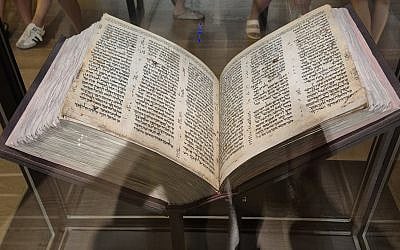
One morning, our volunteer group toured the ANU Museum in Tel Aviv, a sweeping chronicle of Jewish history. We saw some of the oldest Jewish relics in the world, such as the Codex Sassoon. It is the oldest known text consisting of all 24 books of the Hebrew Bible, dating back to the 10th century. We also walked through hallways with interactive features where we learned about the Jewish story of struggle generation after generation until October 7.
As I walked through the exhibit, I thought of my grandparents, who fled Iran and found refuge in Israel. Their story was among countless other stories of Jews in exile who finally found their home in their ancestral land — stories the museum brought vividly to life.
That afternoon, I met with a Palestinian friend in Jaffa. As we walked along the port of the city, she pointed to the top of weathered buildings still etched with Arabic calligraphy, remnants of what was destroyed and then replaced during Israel’s War of Independence in 1948. Her grandparents fled from villages near Jaffa during the War of 1948, which her community refers to as the Nakba (the Catastrophe).
Just a few hours separated my experience at the museum where I celebrated my people’s return from my friend’s account of displacement. Two narratives — each true and painful — that collided on the same piece of land. And while I support a two-state solution, my Palestinian friend said that she believes all of the land — from the Jordan River to the Mediterranean Sea — should one day be Palestine. It was a vision I have heard from many people before, including from fellow Jews who believe all of the land should remain Israel alone.
That night, I went to bed more confused than inspired. If our histories were in conflict, how could our futures align?
The Present: Two Faces of Suffering
A few days later, our program volunteered at Belev Echad, a non-profit organization that supports wounded Israeli soldiers and their families. I came to Israel already admiring the soldiers who risk their lives to keep my people safe. But hearing their stories in person — how they were wounded in battle, how their families cope, how organizations help them recover — made that admiration more personal — and made packing food and supplies for the soldiers and their families all the more meaningful.
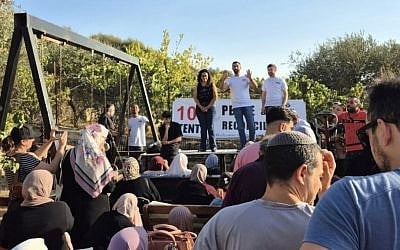
That same evening, my perspective was challenged again. I attended a dinner in the West Bank where over a hundred Israelis, Palestinians, and internationals gathered for an evening where they reaffirmed their desire for peace. One of the Palestinians I met during the dinner was a surgeon from Ramallah. He told me about how he had gone in and out of the Gaza Strip to perform surgeries during the war and that he had lost 28 of his relatives in Gaza up to that point.
The Palestinian surgeon’s story stirred in me both empathy and remorse. Just a few hours earlier, I was admiring and supporting Israeli soldiers fighting in that very war. Now, I was face to face with a man mourning its toll. At that moment, it made me question whether the military response could ever be truly justified.
The tension between empathy and conviction followed me into the next morning.
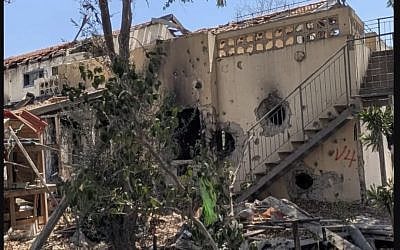
My program drove down south to volunteer at Kibbutz Be’eri, one of the hardest hit Kibbutzim on October 7. Even two years later, the destruction remained raw — burned homes and bullet-pocked walls. We also met with one of the few residents who returned, who recounted the horrors of that day.
The night before, I felt remorse for supporting Israel’s military operation in Gaza after I met a Palestinian suffering its consequences. And the next morning, I was listening to an Israeli tell his family’s story on October 7 where those very horrors took place — reminding me why I genuinely believed a military response, however tragic its consequences, was necessary.
But clarity never lasts long in this conflict.
The Future: Questions Without Answers
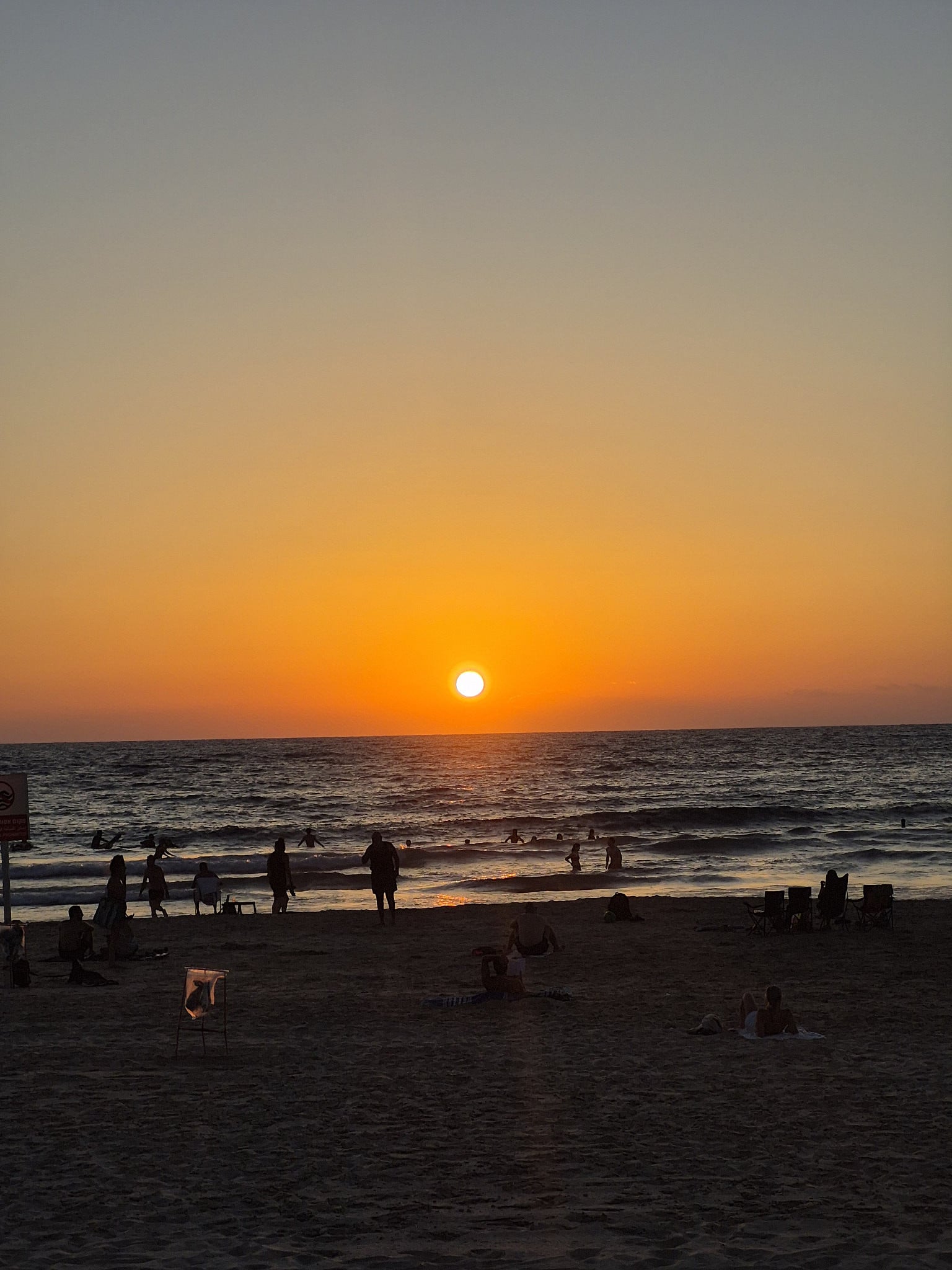
On my final evening in Israel, I went to Tel Aviv beach to watch the sunset one last time. As the sea turned orange, I tried to make sense of everything I had just experienced: the museum, Jaffa, the soldiers, the Palestinian surgeon, Kibbutz Be’eri, and many more.
But no matter how hard I tried, I could not find the answers I was looking for.
How do I reconcile my gratitude for having a Jewish homeland that gave refuge to my grandparents — with the reality that many of my Palestinian friends’ grandparents lost theirs in 1948?
I don’t know.
How do I reconcile my belief that Israel’s military response was necessary — with the suffering of innocent Palestinians in Gaza?
I don’t know.
How do I promote peace when so many on both sides still dream of owning all the land?
I don’t know.
It may seem anticlimactic to end in uncertainty, but I’ve realized that recognizing what you don’t know takes more wisdom than pretending you do.
I may not have come back home with answers, but I came back with something more important: humility.
And perhaps that is where peace begins.