
Bridging the Divide One Bunk at a Time
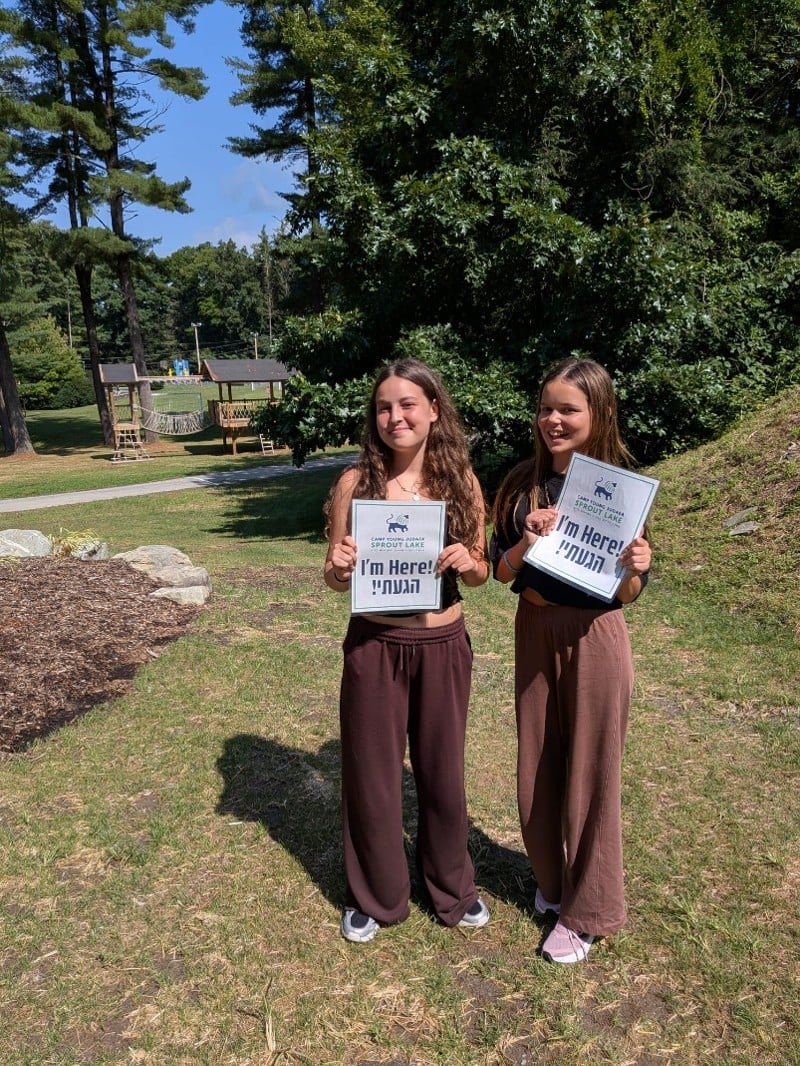
This summer, 200 Israeli campers became part of the fabric of Young Judaea camps across the United States, living in bunks alongside their American peers, sharing meals and activities, singing, dancing and building friendships across languages and thousands of miles.
It marked the largest expansion yet of Young Judaea’s Israeli Camper Project, an initiative designed to create meaningful, lasting mifgashim (encounters) between Israeli and North American Jewish youth through something remarkably simple: growing up together at summer camp.
In the years since October 7, as Israel has faced war and Jewish communities worldwide have navigated rising antisemitism and polarization, the need for meaningful connections between Israeli and Diaspora Jews has only grown.
Our young people need opportunities to see each other not as headlines, but as bunkmates. Summer camp gives them the chance to simply live Jewish life together, to become friends, learn from one another and build relationships that can last long beyond one summer. These friendships are foundational for bridging the growing gap between North America and Israel, one summer at a time.
Israeli campers have long been part of Young Judaea camps, but after October 7, that effort took on new urgency. In summer 2024, Camp Tel Yehudah established a partnership with Netiv HaAsara, a small moshav adjacent to Gaza that suffered devastating loss on October 7, initially welcoming 30 Israeli teens. This summer marked the third year of that partnership, with many returning campers now established members of the camp community. As Tel Yehudah described it, “They are not guests, they are chanichim in every sense.”
Seeing the impact on both Israeli and American campers inspired Young Judaea to expand the model. With support from Mosaic United, Campers2Gether, Seed the Dream Foundation, and additional supporters, 200 Israeli campers joined five Young Judaea overnight camps this summer.
Rather than creating separate Israeli groups, the goal was true mifgash: Israeli campers fully integrated into bunks and everyday camp life alongside their American peers.
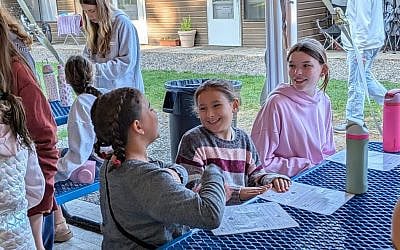 “Why do we do this? Because kids become best friends,” said David Weinstein, Executive Director of Camp Tel Yehudah. “They form close friendships at camp and are able to understand each other as friends, not through a political lens.” He saw that trust created space for deeper conversations as well. “Some of our Israeli campers shared their experiences during and after October 7, and the American campers were blown away. At the same time, the Israelis felt empowered to share their stories with an audience that truly wanted to listen.”
At Camp Judaea, Executive Director Lori Zeligman saw that same openness from the American campers. “I loved seeing how excited our campers were to meet the Israeli campers and how open they were to sharing the magic of Camp Judaea with them.”
At CYJ Sprout Lake, relationships formed almost immediately. “Within days, language barriers diminished as campers connected through sports, music, creative activities, swimming and shared bunk experiences,” said Executive Director Helene Drobenare. “By the end of the session, it was difficult to distinguish who had arrived knowing camp well and who was experiencing Jewish camp for the first time.”
For the campers themselves, some of the most meaningful discoveries came through simply living together. “I didn’t know Americans in Jewish schools learn Hebrew,” one Israeli camper at CYJ Texas shared.
Another arrived worried about breaking into established friendships. “I thought the first day I’d be alone and everyone would know each other,” the camper said. Instead, “everyone said, ‘How are you? Where are you from?’”
At CYJ Midwest, one Israeli camper found a favorite American Jewish camp tradition: “My favorite activity is the dances on Saturday night.”
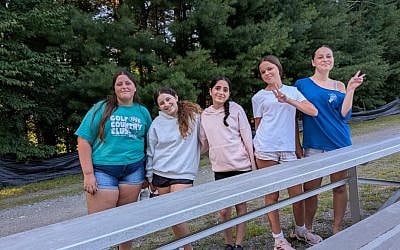 For American campers, Israel becomes personal through friendships rather than headlines. Israeli campers, in turn, experience North American Jewish life as a community in which they themselves belong.
Those relationships have extended beyond the summer, with campers staying connected through WhatsApp and social media and some already discussing future visits and reunions.
For one Israeli family at CYJ Texas, the experience carried particular meaning after another year of war. “Thank you so much for making this happen for our kids after yet again a year of endless war,” the family shared. “The scholarship and your hard work make it possible for our kids to have an amazing summer, away from rockets and sirens. We are proud to be part of the CYJ family and can’t wait for next summer.”
Young Judaea sees this summer not as the culmination of the Israeli Camper Project, but as a foundation for what comes next. The long-term vision is for Israeli and American campers to return to camp together year after year, reconnect through teen Israel programs and gap year experiences, and eventually step into leadership roles.
Ultimately, Young Judaea hopes to place at least two Israeli campers in every bunk, with the Israeli Camper Project becoming a cornerstone of one of Young Judaea’s educational pillars: Zionism.
The project is rooted in a simple idea: lasting connections between Israeli and Diaspora Jews can begin with childhood friendships, shared camp memories and summers spent growing up together. This summer’s expansion to 200 Israeli campers was an important step toward making that vision a reality.