
Calm Before the Crude Storm?
Global financial markets have reacted with surprising calm in the immediate aftermath of U.S. airstrikes that reportedly destroyed key Iranian nuclear facilities. While the event marks a significant escalation in the ongoing conflict between Israel and Iran, investors appear to be pricing in a limited fallout – at least for now.
By Monday morning, equity indices in Israel, Europe, and the U.S. had either held steady or posted mild gains. This subdued response reflects a growing belief among analysts that the confrontation is likely to remain geographically contained. Some strategists suggest that with Iranian nuclear capabilities now potentially neutralised, the broader regional threat has receded in the eyes of investors. A few even interpret the development as marginally bullish for risk assets, pointing to reduced perceived systemic risk.
Still, this calm may be fragile.
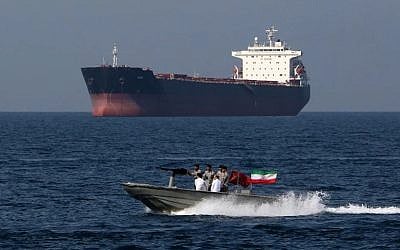
Investor focus has now shifted squarely to Tehran’s next move. Iran’s foreign minister declared that the country reserves “all options” to defend its sovereignty, while parliament approved the potential closure of the Strait of Hormuz – a critical chokepoint through which roughly 20% of global oil consumption flows each day. Markets have yet to fully account for this possibility, which, if realised, would deliver a profound shock to global energy flows and financial stability.
That said, historical precedent offers some reassurance. Iran has repeatedly threatened to shut the Strait – in 2011, 2012, and again in 2018 after the U.S. reinstated sanctions – but has never followed through. Most analysts believe that remains the likeliest outcome. A closure would not only cripple oil exports but also invite a swift and severe U.S. military response – one that Iran may be neither prepared for nor able to withstand.
Nonetheless, should Tehran break from past behaviour and act on its threat, markets would react sharply. Crude prices could surge past $100 per barrel, triggering a broad selloff in global equities and a rush to safe havens such as the U.S. dollar, gold, and Treasury bonds. Some experts warn that such a disruption could slash up to 10% from major stock indices in the short term, as panic and uncertainty take hold.
For Israel, the geopolitical backdrop presents both heightened risks and emerging opportunities. Investor sentiment may remain cautious due to regional instability, but Israeli markets have thus far shown resilience. The Tel Aviv Stock Exchange opened only modestly lower on Monday, reflecting confidence in Israel’s strategic posture and domestic security. Meanwhile, the country’s defence and cybersecurity sectors – already in high demand – could attract further foreign capital amid escalating tensions.
While the destruction of Iran’s nuclear infrastructure may represent a turning point in the region’s strategic landscape, the trajectory from here remains deeply uncertain. Most investors continue to bet on a restrained Iranian response, shaped by international pressure and internal limitations. However, the risk of escalation cannot be dismissed, particularly given the deeply ideological and destabilising ambitions driving Supreme Leader Khamenei’s pursuit of the Islamic Revolution – a vision rooted in regional upheaval rather than diplomatic compromise. With the Strait of Hormuz hanging in the balance, markets are fully aware that what appears to be calm today could quickly unravel tomorrow.