Professor of Jewish Philosophy at Bar Ilan University
Featured Post
Everyone expects a Spanish Inquisition
After repeatedly arguing against self-appointed judges, Netanyahu's ministers are set to appoint their own judges
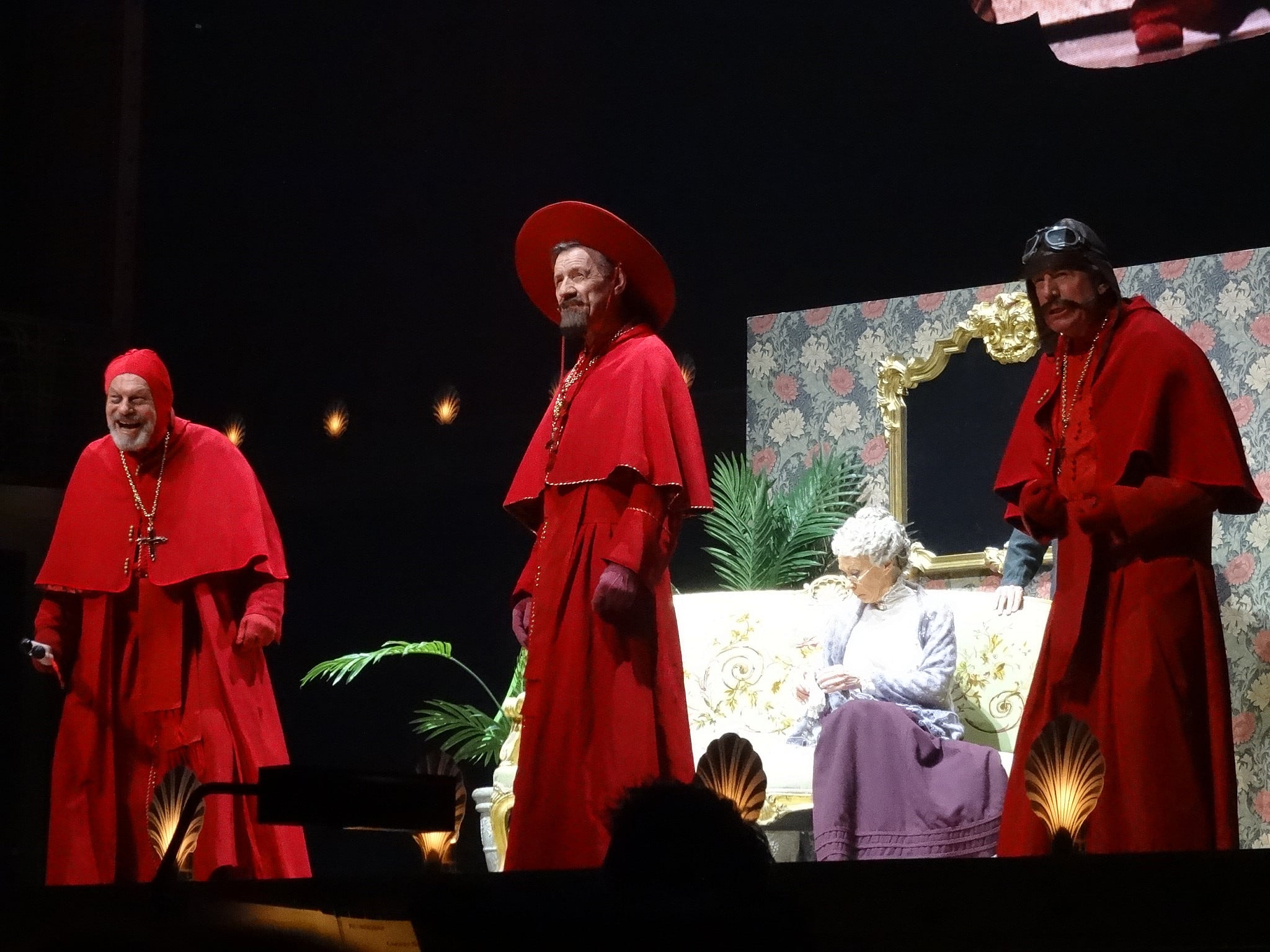
By Eduardo Unda-Sanzana from Antofagasta, Chile - Photo 02-07-14 12 46 43, CC BY 2.0, https://commons.wikimedia.org/w/index.php?curid=73509544
Late last night, Yariv Levin, Itamar Ben Gvir, Bezalel Smotrich, Orit Strock, and five other ministers who held government ministries on October 7, 2023, tasked themselves with establishing a government panel of inquiry into the atrocities Hamas committed on their watch. This procedure is a marked departure from Israeli policy, and indeed, Israeli law, which has always appointed “national commissions of inquiry” headed by the president of the High Court and made up of other judges and officials independent from the governing ministers whom they were investigating. Having repeatedly argued against “judges who appoint themselves,” Levin and the other ministers are now appointing their own judges.
Smotrich, who recently admitted that Israel deliberately delayed deploying to troops to the Gaza border on October 7, 2023, need not worry about any difficult inquiries about it, since he will be appointing his own investigator. With so many members of the Jewish Power (Otzma Yehudit) and Religious Zionist parties appointing the committee, MK Zvi Sukkot need not worry about any difficult questions regarding the thousands of soldiers needed to guard the sukkah he erected in the Palestinian village of Huwara on October 7, 2023.
Obviously, Benjamin Netanyahu will have nothing to worry about either. Indeed, the members of the appointment committee have made it perfectly clear who they believe is to blame for the Israeli failures leading up to the atrocities of October 7: the High Court, the attorney general, and especially the 3 million or so protesters who believed in the continued necessity of an independent court system.
The political appointment of government inquisitors was one of the hallmarks of the Spanish Inquisition, in which King Ferdinand of Aragon took the power of establishing inquisitions from the church and relegated to himself the power to appoint and dismiss the inquisitors. In his monumental work, The Origins of the Inquisition, Ben-Zion Netanyahu, historian and father of the prime minister, described how Ferdinand used this tool as a way to mollify riotous Spanish racists who had been violently attacking the Marrano community (often now called conversos, as less pejorative). Such mollification, which was to give him the appearance of being generally well-liked by all the populace, involved investigations with pre-determined conclusions. That is, those Spaniards of Jewish descent who had been viewed as inordinately successful in economic and legal terms were to be put in their place by the new Inquisition. To do so, they had to take the inquisitional power away from the church as a counter to the latter’s independent power.
Still, as Ben-Zion Netanyahu showed, numerous documents suggest that even the 15th century church found the resulting Inquisition to be too harsh. Ben-Zion Netanyahu’s 1995 book deserves another look.
Related Topics
Related Posts