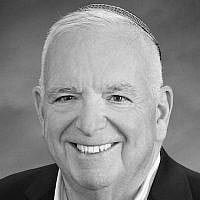
In a 2002 TV debate, I challenged Jesse Jackson
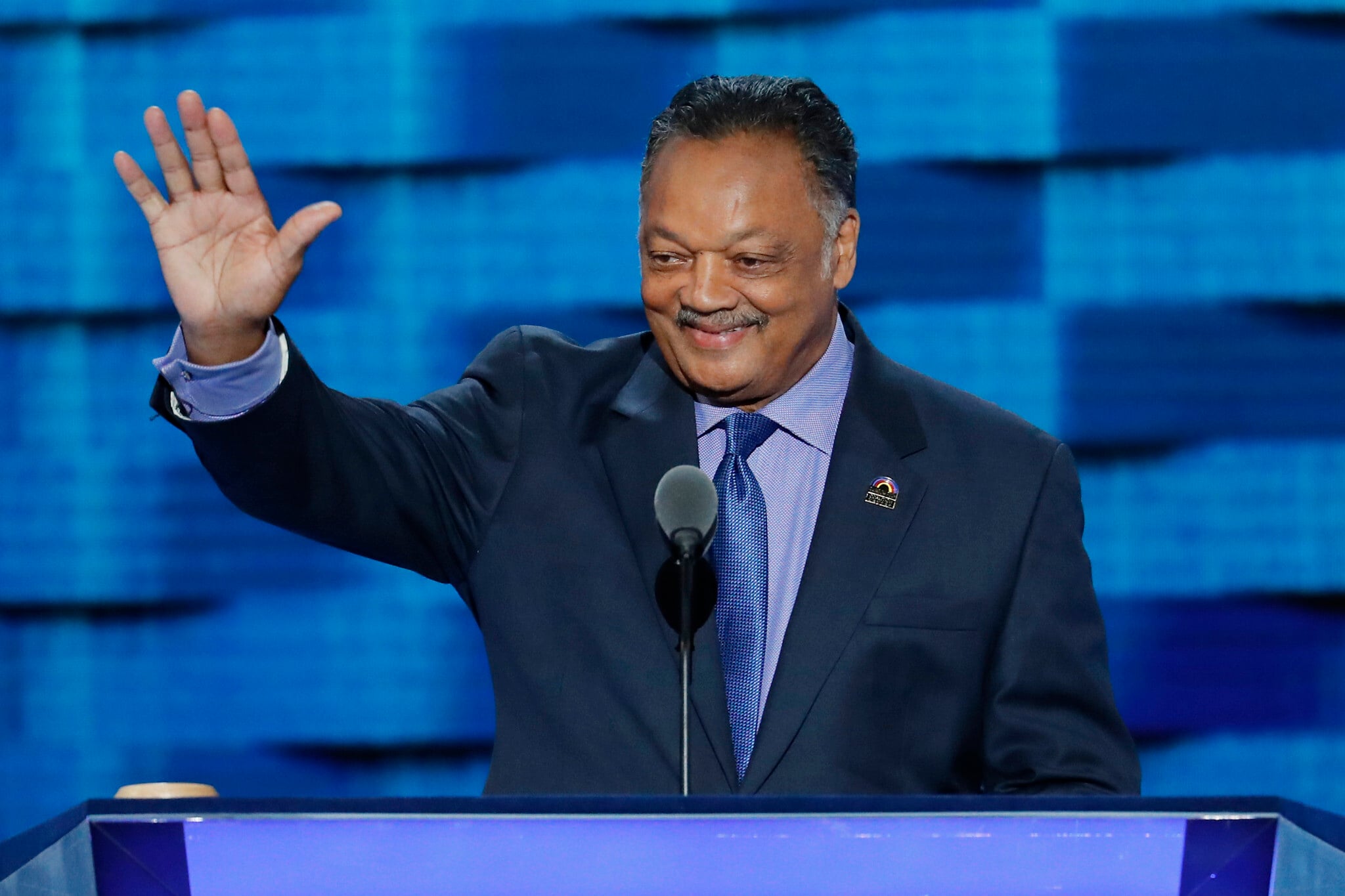
A television debate in 2002 still shapes how I hear calls for “dialogue” with terror groups today.
When Rev. Jesse Jackson died, many tributes rightly focused on his role in the American civil rights movement. He marched with Dr. King. He ran for president. He gave voice to communities long ignored.
But when I heard the news of his passing, my mind went back to a television studio in 2002.
I was on “Donahue,” invited to speak as the father of a murdered daughter. My Alisa had been killed seven years earlier in an Iranian-sponsored Palestinian terrorist attack. Across from me was another bereaved Israeli father. On the phone from Chicago was Rev. Jesse Jackson, just back from the Middle East.
We were not there as ideologues. We were fathers.
Jackson spoke with compassion. He had visited hospitals in Jerusalem. He warned that if Israel responded with force, “there will just be more children dead.” He urged negotiation, reconciliation, dialogue — even with Hamas.
His language was familiar: break the cycle, choose talks over tanks, step beyond the pain.
I asked him a question that came not from politics but from grief.
On that program, I said: “Chairman Arafat has abdicated his responsibility to destroy the Hamas and Islamic Jihad infrastructure that exists under his jurisdiction… My daughter’s killers are walking free in the West Bank and the Gaza Strip. Why hasn’t he arrested them?”
It was not a rhetorical flourish. It was a moral test.
Peace cannot rest on a foundation of armed impunity. Negotiation without accountability is not reconciliation; it is denial.
Jackson’s answer returned to the larger frame: occupation, despair, cycles of violence, the need to talk even with one’s enemies. He believed that dialogue itself was transformative — that sitting down with adversaries could soften positions and humanize the conflict.
There is something deeply American about that instinct. It echoes the civil rights tradition he embodied: confrontation through moral appeal, change through engagement.
But the Middle East has often defied that template.
In the years after that television appearance, Israel withdrew from Gaza. There was no occupation there after 2005. Hamas seized control anyway. Rockets followed. The language of “ending the occupation” did not end the war.
The problem was not insufficient conversation. It was an ideology that rejected Israel’s existence altogether.
Jackson believed that engagement could moderate such movements. History has not borne that out.
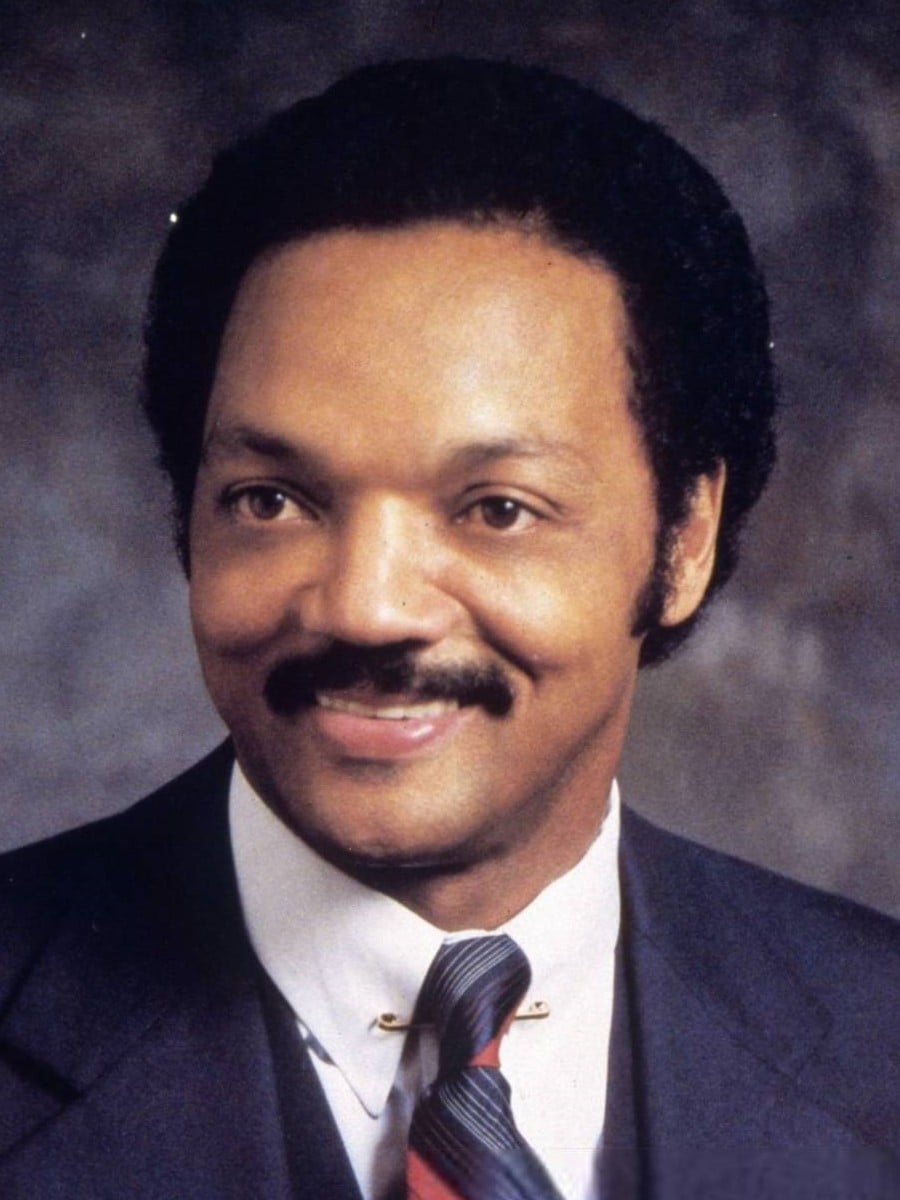
This was not the first time Jewish audiences had wrestled with Jackson’s record. In 1984, during a presidential campaign, he referred to New York as “Hymietown.” He later apologized, and many Jewish leaders accepted that apology. I do not doubt that he regretted the remark. But it left a scar — not because of the word alone, but because it suggested a casualness about Jewish identity that made some of us uneasy.
Yet even that episode does not define him entirely. Jackson’s public life was long and complicated. He opposed apartheid. He intervened in hostage crises. He spoke against racism with courage and clarity.
The tension lay in how he applied moral language to Israel.
On “Donahue,” I heard in his words an impatience with Israeli force and a greater tolerance for Palestinian political dysfunction. He spoke of the need for Israel to show restraint, to avoid escalation. I was asking for something simpler: dismantle the terror infrastructure. Arrest the killers. Stop the incitement. Fulfill the agreements already signed.
Before peace can flower, terror must be uprooted.
October 7 has made this conversation tragically current again. Once more, the world urges Israel to “de-escalate.” Once more, negotiations are proposed while hostages remain captive and terror groups openly vow repetition.
The moral vocabulary sounds similar to what I heard in that television studio two decades ago.
Dialogue can be noble. Reconciliation can be real. Israel made peace with Egypt and Jordan because the other side chose to end war as policy.
The question I posed in 2002 remains the essential test: Have those calling for reconciliation dismantled the machinery of terror?
If the answer is no, then negotiations are theater. If the answer is yes, then peace becomes possible.
Rev. Jesse Jackson believed conversation could transform enemies. I believed — and still believe — that transformation requires first a renunciation of violence in deed, not only in speech.
I do not question his sincerity. I question the premise.
And the question still stands.