
This Way Up: Spiritual Means to Psychological Ends
In Stillness, We See Ourselves: Jewish and Chinese Teachings on Water
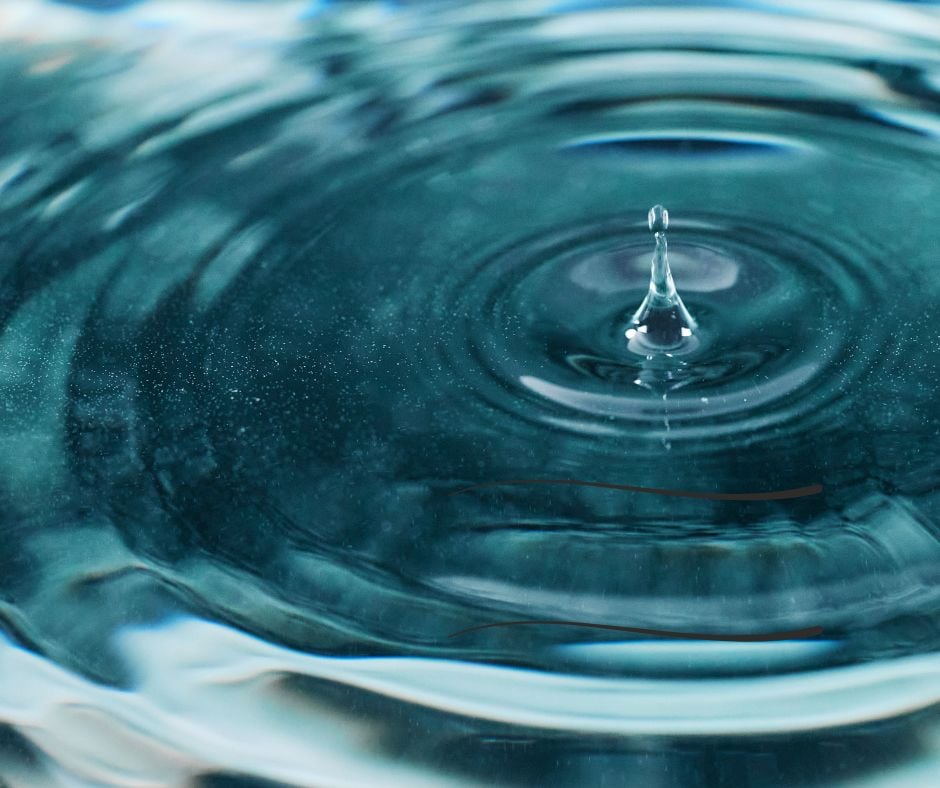
Image courtesy of Canva.com
Both Jews and Chinese carry a reverence for water that runs deeper than language. It is not merely a physical substance, but a spiritual metaphor—one that connects us to the essence of wisdom, the mystery of transformation, and the nature of unity itself.
In Deuteronomy, Moses proclaims: “Let my teaching fall like rain, my words descend like dew.” Torah, in its highest form, is likened not to fire or rock, but to water—something gentle, penetrating, and life-giving. It falls from above and seeps quietly into the depths of being.
Across the world and centuries earlier, the Dao De Jing declares: “Of all things, the sage should take water as his preceptor.” Laozi praises water for its humility, adaptability, and power—able to overcome the hardest substances through softness, to nourish all things without striving.
Water as the Sage
In both cultures, water is not just wise—it is the very nature of wisdom. It flows downward yet nourishes all life. It reflects without judgment. It takes the shape of whatever contains it, yet always remains itself. The sage, whether guided by Torah or Tao, aspires not to dominate but to flow, to adapt, to embody clarity and compassion.
For Jews, water is used in mikveh, the ritual bath that symbolizes spiritual renewal and return. In Chinese medicine, the Water element governs the kidneys and the will—associated with winter, deep reflection, and ancestral memory. In both frameworks, water represents the mystery beneath the surface, the quiet strength of the unseen.
Unity and the Circle
When you drop a stone into still water, the ripples spread in circles. This is more than physics—it is philosophy. The circular motion reminds us of unity, of interconnectedness. In the Jewish mystical tradition, God’s first act of creation involved making a space—tzimtzum—within infinite oneness. In Chinese cosmology, the Tao births Yin and Yang, whose dynamic dance gives rise to the ten thousand things.
Water carries both Yin and Yang qualities: receptive and yielding (Yin), yet able to cut through stone (Yang). It freezes and melts. It flows and rests. It nourishes and erodes. It is not static—it is balance in motion.
Hydrogen and Oxygen: A Modern Midrash
Even scientifically, water offers a miracle. Hydrogen—elemental, fiery, the energy of stars—and Oxygen—vital for breath and combustion—are both volatile alone. But when they come together, they form H₂O: the source of life.
This is no less a midrash than a molecule. Jews and Chinese may represent different cultural elements—fierce debate and quiet resilience, diasporic memory and dynastic continuity. But when these elements are brought into relationship, a new synthesis can form—clear, adaptable, essential.
We are, after all, 80% water. What if that isn’t just biology, but a message?
Flowing Toward Each Other
Perhaps this is the deeper reason why Jews have long gravitated toward Chinese wisdom—medicine, philosophy, language, and food—and why the next stage of this cultural relationship must be more reciprocal and conscious. We share an understanding that wisdom is not forceful. It doesn’t shout. It listens. It reflects. It flows.
At a time when both Jewish and Chinese communities are facing renewed scrutiny from ideologies that question our success, our traditions, and our right to thrive, we must remember the lessons of water. It survives by yielding. It carves canyons over centuries. It connects continents. It requires no translation, only attention.
Conclusion: Becoming Rivers Together
If Torah is like rain and Tao is like a stream, then let us become rivers flowing into the same ocean. Let our teachings meet, not in competition, but in confluence. Let our histories flow side by side—not merging, but respecting each other’s paths, carrying the memory of mountains and deserts, dynasties and diasporas.
Water teaches us that power need not be loud. That strength is softness. That clarity is not the absence of complexity, but the presence of stillness amid it.
Let this be the basis for a deeper acquaintance—one that moves us from cultural admiration to shared spiritual kinship.
Related Topics
Related Posts