Is U.S. aid inadvertently being used to suppress Somliland’s peaceful democracy?
Somalia’s Lobbying Contract and the Misuse of U.S. Humanitarian Aid
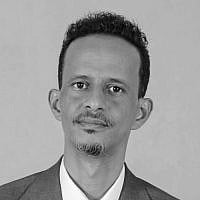
By Mustafe Jambir: Somalilander researcher specializing in geopolitics, foreign relations, governance, and development policy, with a focus on the Horn of Africa. His work combines political analysis, monitoring and evaluation, and policy research to examine state-building, resilience, and institutional performance. He is also a writer on Somali culture, identity, and leadership.
In November 2024, Somalia’s embassy in Washington signed a $600,000 lobbying contract with BGR Group, one of the most powerful firms in the United States. The purpose of this deal, filed under the Foreign Agents Registration Act (FARA), was to oppose Somaliland’s recognition efforts in Congress. While Mogadishu framed the agreement as a strategic move to strengthen diplomatic ties and preserve territorial integrity, the timing and intent reveal a deeper concern: the misuse of international humanitarian aid, particularly U.S. taxpayer-funded assistance, to finance political influence campaigns abroad.
Just weeks before the lobbying contract was signed, the United States had committed $68.5 million in development assistance to Somalia through USAID. This grant was intended to support economic growth, governance reforms, health, education, and the empowerment of women and youth. Yet, instead of channeling these resources into the promised sectors, Mogadishu diverted a substantial sum to pay lobbyists in Washington, raising serious questions about whether American aid is being weaponized against Somaliland’s democratic aspirations.
Somalia’s decision to spend hundreds of thousands of dollars on lobbying while its citizens face poverty, insecurity, and humanitarian crises is emblematic of a broader pattern of aid corruption. Rather than investing in schools, hospitals, or institutional reform, the central government has prioritized foreign influence over domestic welfare. This misuse of aid undermines donor confidence and calls into question the integrity of Somalia’s governance. It also forces a moral reckoning: is the United States, through its generous aid packages, inadvertently financing efforts to suppress a peaceful, democratic entity like Somaliland?
The implications are profound. For Somalia, the lobbying deal exposes a governance failure that could jeopardize future aid allocations. For Somaliland, it creates additional diplomatic hurdles in Washington, requiring stronger advocacy and coalition-building to counterbalance Mogadishu’s paid influence. And for U.S. policymakers, it presents a dilemma: whether American aid is being used to undermine the very principles of democracy and self-determination that the United States claims to uphold.
To address this crisis, international donors, especially the United States, must intervene decisively. Aid flows to Somalia should be subject to independent audits to ensure transparency and prevent diversion to lobbying or political campaigns. Future assistance must be conditioned on measurable governance reforms and anti-corruption safeguards. Greater oversight of the Mogadishu administration is essential to ensure that aid reaches citizens rather than foreign consultants. Donors should also consider redirecting portions of aid to local NGOs, civil society organizations, and regional administrations that demonstrate accountability and effectiveness. Finally, watchdogs and media must expose these misuses publicly, so that donor publics, particularly American taxpayer, understand how their money is being spent.
Somalia’s $600,000 contract with BGR Group is not merely a diplomatic tactic, it is a corruption scandal that undermines humanitarian aid and donor trust. By diverting resources meant for development, Mogadishu betrays its citizens and weaponizes foreign assistance against Somaliland’s legitimate pursuit of recognition. The international community must respond with scrutiny, reform, and resolve. Recognition debates in Washington will not be silenced by contracts; they will be shaped by the enduring voice of Somaliland’s people, who have built democracy without foreign lobbyists.