
Israel needs a deal with Iran, not another war
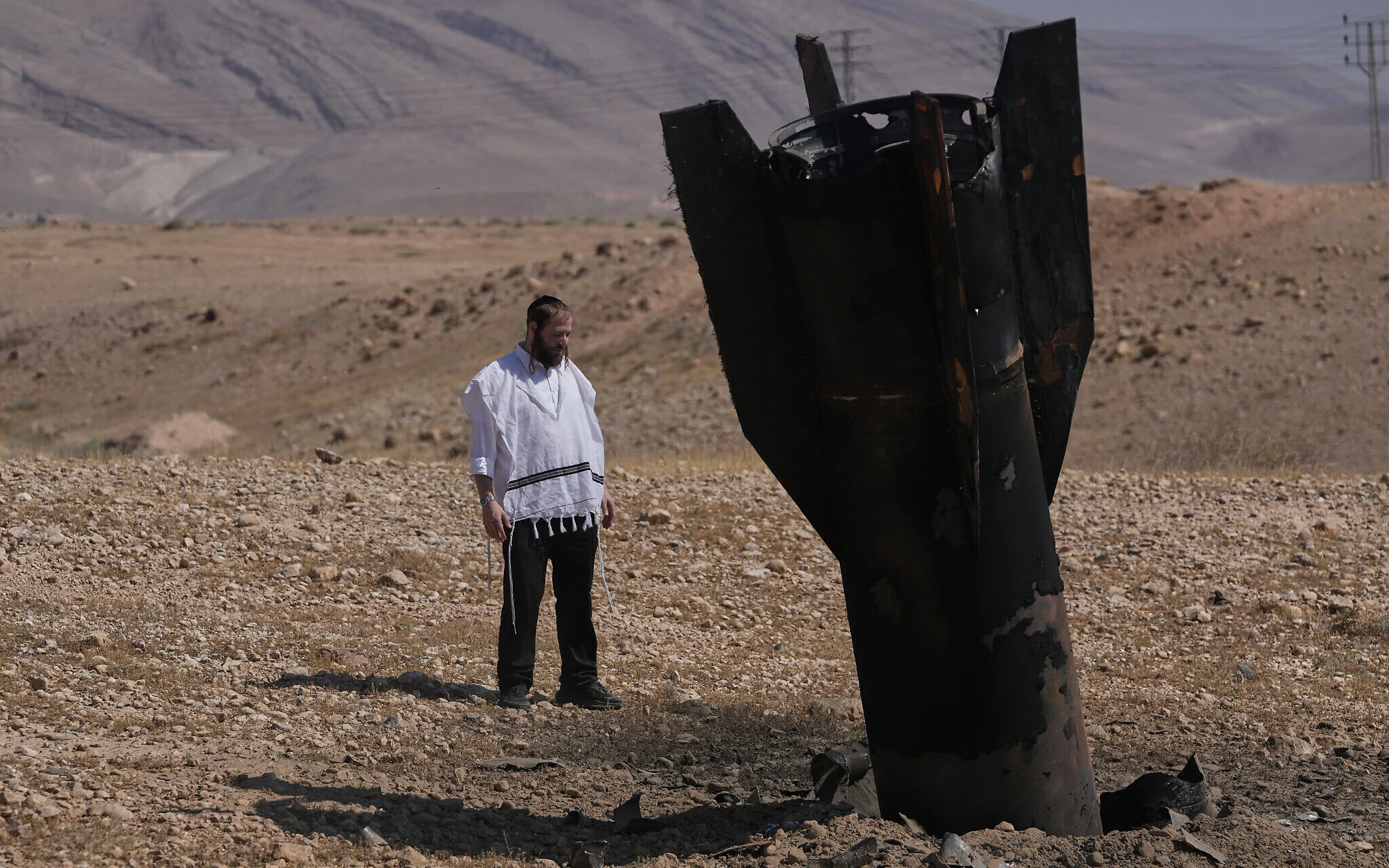
Any long-term agreement that the United States signs with Iran that freezes Tehran’s nuclear program is good for Israel. The alternative – renewed war – is not. Iran’s resumption of the missile attacks on Israel only reinforces this conclusion. The senseless deaths of IDF soldiers and officers in Lebanon underscore the urgency of pursuing a diplomatic path rather than perpetuating an open-ended conflict.
The way to achieve this is through a US-Iran agreement followed by a separate arrangement with the Lebanese government for a joint effort to disarm Hezbollah. Turning to the diplomatic path may be bad for Benjamin Netanyahu politically, but it is beneficial for Israel’s security and its citizens, who are exhausted from the wars on multiple fronts.
To understand why diplomacy now offers a better path, it is important to distinguish between the strategic logic behind Israel’s military campaign against Iran last June and the subsequent American-Israeli war launched eight months later. The differences between these two conflicts help explain the strategic deadlock that Israel and the United States now face.
Following the assassination of a senior Quds Force commander in Damascus in April 2024, Iran launched its first-ever attack on Israel, firing hundreds of missiles and drones. The attack failed, and it created an opportunity for Israel to pursue its long-standing ambition to launch an airstrike against Iran’s nuclear facilities.
The stars finally aligned for this operation, six months after President Donald Trump took office and Hezbollah had been neutralized in Lebanon. With Hezbollah’s missile arsenal no longer posing the same threat to Israel’s home front, the strategic barriers to attacking Iran had diminished.
During the Twelve-Day War last June, Israel implemented an important principle in military strategy: exploiting operational success. The Israeli strikes were accompanied by a limited American attack, after which the two countries were able to temporarily “bury” Iran’s military-grade enriched uranium. More importantly, Israel succeeded in securing a deeper American commitmen to a deep commitment to preventing Iran from acquiring nuclear weapons.
This made diplomacy possible. Faced with the prospect of further military action, Tehran entered negotiations with Washington over a long-term arrangement to freeze aspects of its nuclear program. Yet after only a handful of meetings, the talks collapsed, and the United States and Israel chose to return to military action.
Eight months later, the United States and Israel launched the Lion’s Roar War against Iran with far-reaching goals that were clearly unattainable through air strikes alone: overthrowing the regime, dismantling Iran’s nuclear program, and crippling its missile system. This was a serious political and strategic mistake.
The Iranian regime responded by playing its trump card of closing the Strait of Hormuz and severely disrupting the global energy market. It was able to present its firm stance against the United States and Israel in this campaign as a victory.
Ending with a whimper
Lion’s Roar ended after 40 days without achieving any of its declared objectives, and entailed steep economic and political costs for the United States and Israel. In other words, it failed. As a result, Israel is perceived worldwide as a war-monger that dragged an American president lacking any real understanding of strategic issues and international statecraft into a war – a war based on hopeless schemes such as inciting the Kurds to revolt against Tehran or installing Ahmadinejad as a puppet leader.
One side effect of Netanyahu’s strategy of pursuing war at all costs with Iran and rejecting the diplomatic option is Israel’s exclusion from participation and influence on the current negotiations between the United States and Iran. Israel has become a vassal state, and its room to maneuver on numerous fronts has evaporated.
Preventing Iran from becoming a nuclear state has been a central national interest of Israel for the past 25 years. Netanyahu attacked the 2015 nuclear agreement negotiated by Barack Obama, to which the US president managed to add Russia, China, and European countries to what was, at the time, a good agreement. In 2018, Netanyahu convinced President Trump to withdraw from the agreement. Following the American withdrawal and the imposition of sanctions, Tehran accelerated progress on its program and became a nuclear threshold state.
A realistic goal
Today, the Iranian regime faces a historic dilemma. On one hand, its leaders have seen how vulnerable a non-nuclear Iran can be to military attack. On the other, the country’s economy is under immense strain, and prolonged economic deterioration threatens domestic instability and, potentially, the regime’s survival.
In my view, Tehran will choose the path it knows best: buying time.
It will drag out negotiations for as long as possible, even years, while seeking sanctions relief and economic recovery. Israel’s objective should therefore be clear and realistic: remove or neutralize Iran’s stockpile of highly enriched uranium, freeze progress toward nuclear weapons capability, and extend those restrictions for as many years as possible. In exchange, Iran would receive phased sanctions relief and access to frozen assets, allowing its economy to recover.
Another important issue for Israel is the disarmament of Hezbollah and the transfer of its weapons to the Lebanese army. This matter can be addressed directly with Beirut. Here too, the military option has exhausted itself with the ceasefire coming into effect. Israel’s plan to build a ‘security zone’ on its northern border has been tried for years and failed miserably and at a heavy cost in soldiers’ lives. Rather than repeating old mistakes, Israel should explore a path that has never been seriously attempted: strengthening the Lebanese state, empowering its army, and working alongside France and the United States to reduce Hezbollah’s independent military power.
Finally, there is the question of Iran’s ballistic missile program. States continue to build military capabilities, compete for influence, and seek strategic advantages regardless of ongoing negotiations. That reality is not unique to Iran; it is a permanent feature of international politics.
The choice facing Israel is therefore not between perfect security and dangerous compromise. It is between managing a difficult adversary through a combination of deterrence and diplomacy, or remaining trapped in a cycle of recurring wars whose costs continue to rise while their strategic returns diminish.