Israel needs repair, not a return to normal
There is life before October 7th, and there is life after. Three years on, we can’t let it slip into the calendar like any other date. We remember it so it doesn’t happen again.
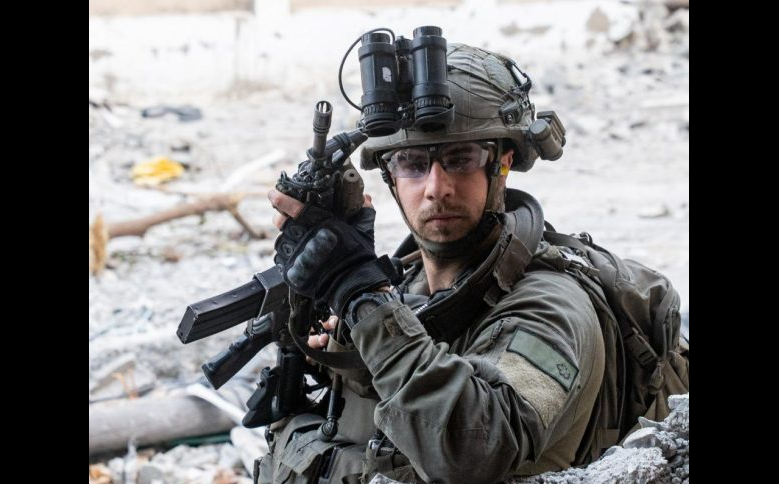
I’ll never forget what I saw that day. Cars full of bodies, and blood on motorcycles. When my soldiers and I went down to Kfar Aza, Hamas terrorists opened fire on us, and a friend from my unit was hit in the neck and bled badly. Later, as a company commander fighting inside Gaza, I was wounded myself.
They took me from the trauma room straight into surgery. I don’t remember much except begging the doctors to leave me my leg, whatever happened. I woke up in a panic, like out of a dream. My mother was next to me. I told her I couldn’t believe it had happened to me. Then the psychologist came in, sat down and told me that Yehonatan Samo z”l, my radio operator, had been killed.
I left the hospital for his funeral in a wheelchair. A week into rehab, I understood I had to go back to Gaza. Not because I wanted to, and not because I wasn’t afraid. But because my platoon was still there and I was still their commander. My family laughed at first, then got angry – and then understood that I’d already made my decision. Two weeks after I was wounded, I climbed into the Humvee and went back in.
My story isn’t exceptional. My generation, the one everyone called apathetic and glued to TikTok, has carried this country on its back for three years. On the battlefield, in the reserves, at home, at work, and in lives that keep getting put on hold.
Our government disappeared that morning – but our people showed up instead. Civilians grabbed their personal weapons and drove south towards the fire to save people they’d never met. A generation of lions rose – and we deserve a government worthy of us.
As so many Israelis know, there’s an exercise in army training where you carry a stretcher with a fellow soldier on it. At first, it’s no big deal. Then the distance grows, your arms start burning, and you learn to rotate. Nobody carries a stretcher alone for long. When you’re spent, someone takes your place.
But that rotation only works if there are enough people to share in the task. And right now, there aren’t. Israel’s security can’t keep resting on the same shoulders, year after year.
The social contract between Israel’s leaders and its fighters has long been simple. We go out and defend the country – and the country takes care of us and our families. A country built on mutual responsibility.
After 1,000 days of war, we know that this basic social contract is broken. A reality that allows tens of thousands of young ultra-Orthodox men to dodge the draft, while the rest of us serve more and more, isn’t just a moral failure. It’s now an urgent threat to Israel’s survival.
That’s why, since returning from fighting, I’ve organized thousands of soldiers and reservists to fight this government’s draft evasion laws in the Knesset. This isn’t about politics. It’s about fairness, Israel’s security and the future of our country.
Equality in enlistment. Caring for those who came home with wounds both seen and unseen. A state commission of inquiry that uncovers the truth about the failures before, during and after that terrible day. And rejecting the conceptzia, the belief that Hamas was contained, that let the disaster happen. This is the repair Israel owes every one of its citizens – and above all the ones who have sacrificed so much.
When I came out of the Gaza envelope after those first three days, I was sure it wouldn’t leave a mark on me. Almost three years later, I know I was wrong. It can hit you right away. It can hit you years later. For me, I feel it most when I’m with other reservists, young men and women who’ve given so much for this country.
Our generation took responsibility for Israel when the country needed us most. Under the leadership of Naftali Bennett, now it’s our turn to lead the process of repair.