
Israel’s Attack on Hezbollah in Beirut: A Foreign Policy Perspective
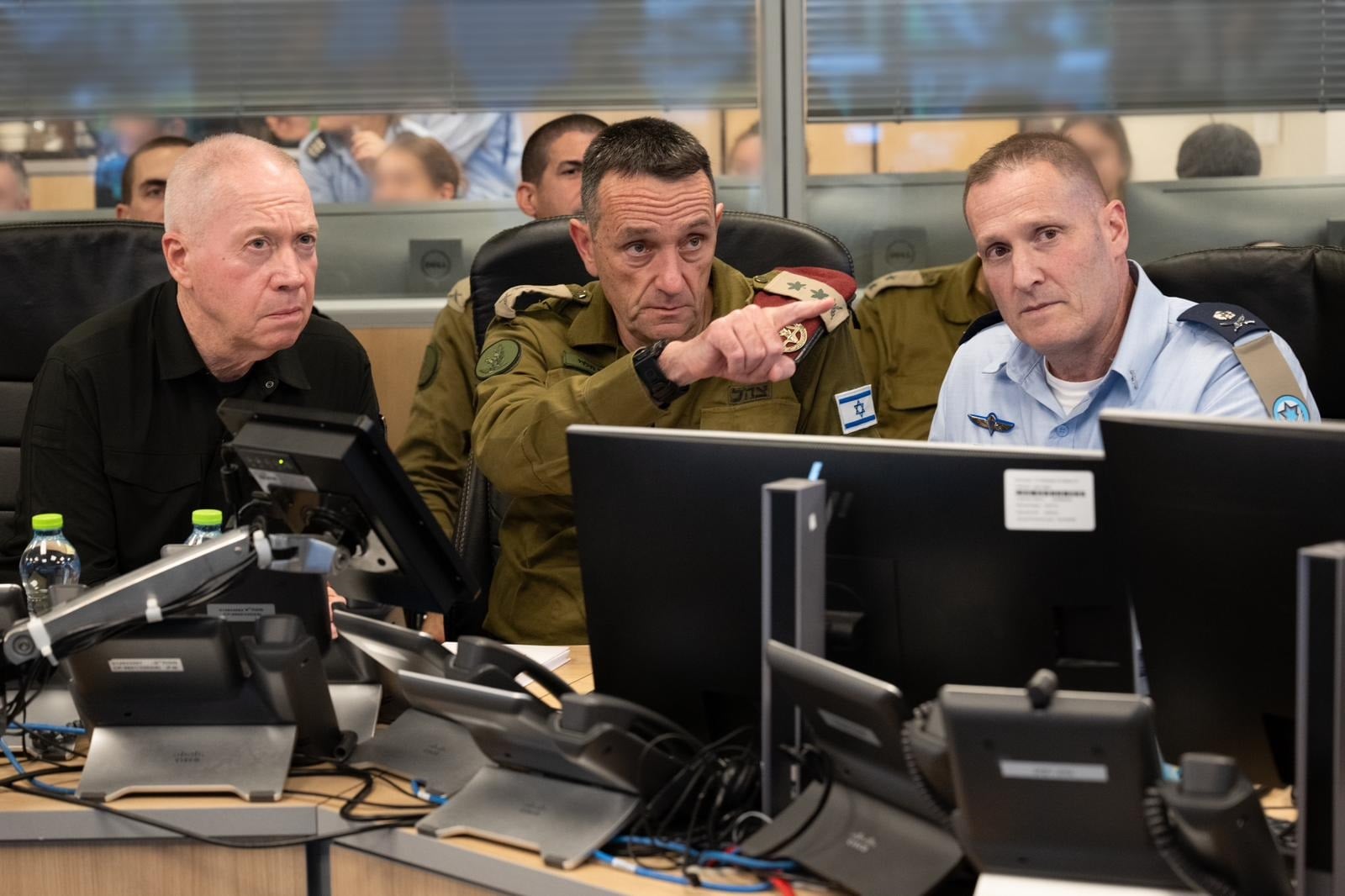
Shortly before this year’s Eid Al Adha, the Israeli military launched air strikes on Hezbollah positions in Lebanon. Israeli authorities alleged that Iranian operatives were assisting the Shia Islamist group, Hezbollah, in mass-producing drones, despite a ceasefire agreement reached with Israel six months earlier. The timing appeared calculated, as the strikes closely followed a diplomatic visit by Iran’s foreign minister, who met with senior Hezbollah officials in Lebanon. This sequence of events suggests a deliberate strategic posture by Israel. This article will critically examine the implications of the latest IDF operations for Israeli foreign policy, using the theoretical framework of offensive realism to assess their geopolitical significance.
Iran’s influence remains a central, if unspoken, driver behind Israel’s recent military operations. During a visit to Lebanon, Iranian Foreign Minister Abbas Araghchi met with Hezbollah’s current chief, Naim Qassem, who expressed gratitude to Khamenei for supporting the group’s resistance efforts and advocacy for the Palestinian cause. Araghchi also paid a personal visit to the family of Hezbollah’s former leader, Hassan Nasrallah, whom Iranian state media described as a martyr. Although neither the Iranian nor Lebanese authorities have disclosed any specific outcomes from these discussions, Mossad has assessed that Iran continues to supply Hezbollah with extensive support to accelerate its drone production for operations targeting Israel.
In this context, the Israeli air strikes in Lebanon can be interpreted as Netanyahu’s response to Iran’s growing interference in Lebanon’s domestic affairs. Lebanese authorities, however, emphasised that Araghchi’s visit marked a diplomatic shift, signalling Iran’s intention to pursue a “non-interference” relationship with Lebanon — allegedly including discussions about Hezbollah’s potential disarmament. The Israeli military, however, remained sceptical of the intentions of both Iran and its regional proxy. Consequently, Israeli defence minister Katz issued warnings of further military action should Hezbollah fail to disarm. At its core, Israeli policy reflects an unwavering perception of the Islamic regime in Tehran as a persistent threat.
Given the sectarian structure of Lebanese politics, Israel’s strikes on Beirut have served as a deliberate signal of its position to the various factions within Lebanon’s confessional system. First, Sunni Prime Minister Salam, who had previously advocated for Hezbollah’s political integration, condemned the Israeli attacks for jeopardising Lebanon’s “security, stability, and economy”. Second, Christian President Aoun criticised what he described as a “flagrant violation” of international law. Third, Shia parliamentary speaker Berri, an ally of Hezbollah, denounced the strikes as an assault on “all Lebanese citizens, including Muslims.” It is highly uncommon for these three leaders to converge in principle, yet Netanyahu’s actions have prompted precisely that.
In November 2024, a ceasefire agreement brokered by the US and France required Hezbollah to relinquish its weapons “south of the Litani River” in exchange for Israel’s military withdrawal from Lebanese territory. Israel’s subsequent strikes on Hezbollah positions appear to constitute a breach of this agreement, though some may argue that Hezbollah had already violated the terms. These actions also signalled clearly to the Lebanese government that Israel remains capable of inflicting substantial damage should credible security guarantees not be upheld. Furthermore, the air strikes served as a warning that the final 20 per cent of Hezbollah’s armed positions in southern Lebanon must be dismantled.
As Israel’s closest ally, the US has tacitly supported the IDF’s recent strikes in Lebanon, reflecting Netanyahu’s quiet disapproval of Trump’s renewed interest in pursuing a nuclear agreement with Iran. According to accusations from the Iranian government, these Israeli air strikes were implicitly approved by Washington, as evidenced by its silence at both the White House and the UN. This aligns with the longstanding US-Israel alliance, given that both countries officially designate Hezbollah as a terrorist organisation. In parallel, the Israeli government has issued threats to strike Iranian nuclear facilities, signalling discontent with Washington’s diplomatic overtures towards Tehran.
The US and Israel have experienced increasing diplomatic friction over the past month. First, the Trump administration bypassed Netanyahu’s government to enter direct negotiations with Hamas concerning the release of an American-Israeli hostage. Second, the IDF launched unilateral strikes on Gaza, resulting in over 250 deaths, before the White House publicly expressed support for Palestinian civilians. This latest round of Israeli attacks on Hezbollah positions demonstrates Netanyahu’s continued dissatisfaction with Trump’s Middle Eastern strategy, particularly his willingness to engage diplomatically with Khamenei, who has publicly characterised Israel as a “cancerous Zionist” entity that must be eradicated.
Despite lacking formal diplomatic ties with Israel, Saudi Arabia has engaged in strategic cooperation with both Israel and the US. The Gulf kingdom’s initial response mirrored that of the US: silence. However, Saudi Arabia’s Prime Minister Mohammed bin Salman is undoubtedly recalibrating the region’s security dynamics. Following the recent normalisation of relations with Iran, Saudi Arabia has sought to deepen military cooperation with its Shia neighbour across the Persian Gulf. As a result, Israel’s bombardment of Hezbollah in Lebanon — an ally of Iran — has further strained Saudi perceptions of Israel, particularly given Mohammed bin Salman’s vocal criticism of the Israeli campaign in Gaza.
Finally, Israel’s military operation in Lebanon has further undermined prospects for the Abraham Accords, as it highlights the country’s deep unease and security concerns regarding Iran. The Saudi-US-allied Gulf Cooperation Council states are viewed as the most viable candidates to join the accords. However, Netanyahu’s actions effectively signal that engaging diplomatically with Iran is tantamount to siding with an adversary. This position is contentious, given that GCC states share more cultural and sectarian affinities with Iran than with Israel, and public sentiment in these countries remains strongly opposed to Israel’s war in Gaza. Consequently, Israel’s recent strike has further hindered the normalisation process between Israel and the Arab world.
To conclude, the IDF’s strikes on Hezbollah targets in Lebanon have elicited significant diplomatic repercussions throughout the region. While Israel has remained openly hostile towards Iran and its Lebanese proxy, it has simultaneously expressed discontent towards the US due to Trump’s pursuit of a nuclear deal with Iran, as well as displaying a degree of indifference towards Saudi Arabia concerning its rapprochement with Iran and the Abraham Accords. Meanwhile, the Netanyahu administration has threatened further attacks against Hezbollah should disarmament fail to materialise, potentially extending Israel’s involvement in Lebanon or precipitating shifts within the country’s security landscape.