
Knesset Insider
Featured Post
Israel’s silent crisis: The reservists
My second-grader says I'm a hero. She also wants to know if I'm ever coming home. The work-life-army struggle is real
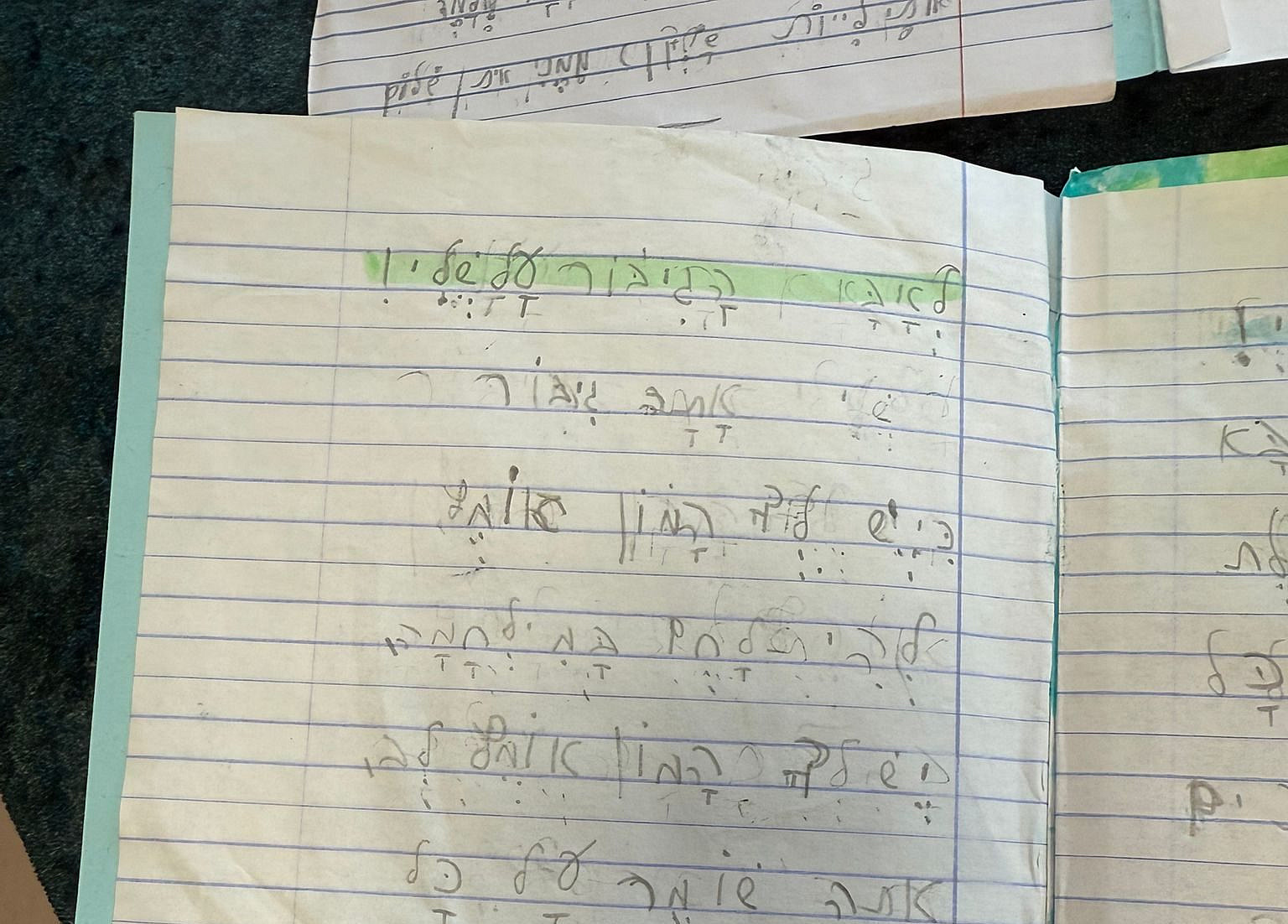
Letter from second-grade daughter to her reservist father. (courtesy)
I had just finished briefing my soldiers for their next shift when I heard the sound of a message on my phone. I have a special notification for messages from my wife, so I know to give them priority. I take the phone out of my vest and read the message. It’s Asifat Horim (parent-teacher conference) for our middle children at the local elementary school, scheduled for late afternoon. She offers to patch me in so I can participate and ends the message with, “Don’t need to if you’re busy.”
Before the war, I was the parent who attended every Asifat Horim. I was involved and even served on the PTA a couple of times. With miluim being so hectic, rarely being home and falling behind on the class WhatsApp group, I didn’t even realize it was today. I message her back, telling her that I am busy, but that I would still like her to patch me in.
I put the phone back into my vest and start planning how I can complete all my tasks while being available for the call. Most people struggle with work–life balance, but reservists face a work–life–army balance. I’ve tried to explain this to career soldiers, but they don’t fully grasp it because their work is the army. Balancing all three at once is something only those who have lived it truly understand.
I go about my day, completing tasks and repeatedly checking my watch to make sure I’ll be available for the first appointment. Just minutes before the scheduled time, one of my soldiers approaches me and needs my attention. It’s not something I can postpone, so I speak with him and resolve the issue. When I finish, I take out my phone and see a missed call from my wife. My phone had been on silent. I call her back, but she doesn’t answer, she’s already inside with the teacher.
One of the core responsibilities of an officer is to be there for their soldiers, to give them an address and someone who will fight for them. There were times in my life, and in the army, when I didn’t have that person fighting for me. That is why I make it my mission to fight for my soldiers. Sometimes, that comes at a price, like missing the chance to hear firsthand from your child’s teacher about how they’re doing.
My wife calls me back and tells me she’ll fill me in later. Based on my schedule and the growing backlog, I already know I won’t be available for the second appointment. It’s a deeply frustrating feeling. We are more than two years into this war. Most soldiers have gone home, yet my family is still paying the price of my absence.
At the beginning of the war, people were incredibly appreciative, offering free food, letting me cut in line, donating money or supplies to my unit. These days, the attitude from many is that I’m a sucker, that the war is over, accompanied by dismissive remarks or looks of pity. As a Zionist, I believe that when I am called upon to carry out a mission, I must step up.
Later that evening, I try to reach my wife for an update. She’s catching up on work after getting all four kids to bed and understandably doesn’t have time to talk. She tells me she’ll update me in the morning. I keep my head on base and focus on the tasks at hand as I make my rounds, visiting my soldiers at each post. Each of them carries their own story, and I do my best to keep them all going.
Most of my soldiers appreciate these rounds. Sometimes we talk about everyday things; other times, the conversations run much deeper. For the rest of the evening, I focus on their problems instead of my own.
The morning is busy for both me and my wife. It takes some time, and a bit of phone tag, before we finally connect. She gives me the report on how the kids are doing in school. At the end of the conversation, she tells me that my second-grade daughter wrote me a letter for the parent-teacher conference and sends me a picture.
Translated into English:
To my superhero dad!
You are a hero because you have a lot of courage to fight in the war.
You have a lot of bravery in your heart.
You protect all the people of Israel.
And I miss you so much,
A lot and a lot.
From me,
Gabby
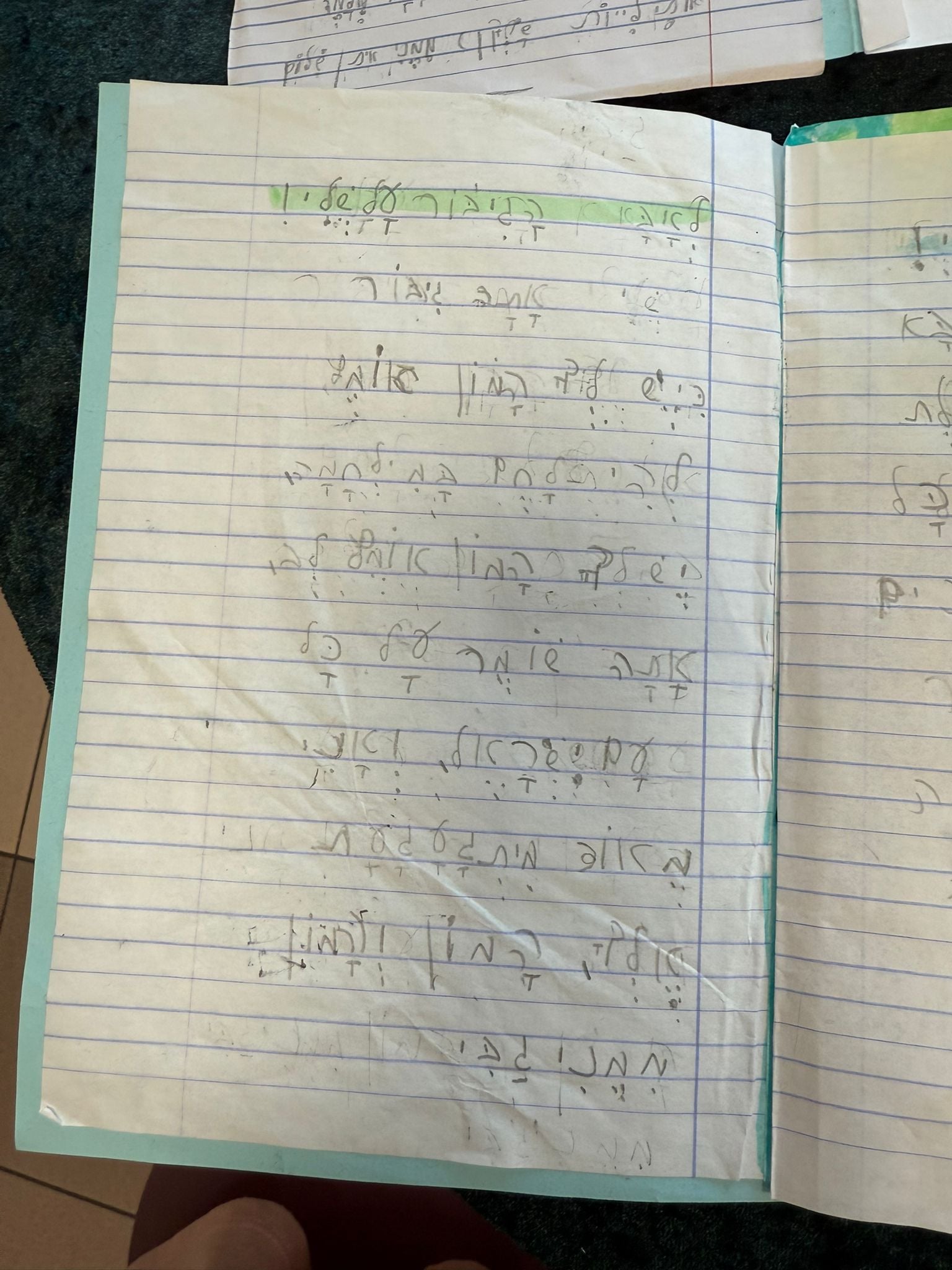
I saved Gabby’s letter on my phone and put it back into my vest. It is a reminder that Zionism is not an idea but a responsibility, carried by parents who leave home so their children can grow up in one.
I don’t know when the security situation will improve. I do know that I will continue to do my best to complete my missions and hold the fort until I can return home for good. Until then, I will keep showing up where I am called and do my part to hold the line.
The parent-teacher conference was last week, and I haven’t stopped thinking about it since. On Tuesday, during the fast of the 10th of Tevet, my wife told me that Gabby asked her if I was ever coming home. Then Wednesday, yesterday, the Knesset extended Tzav 8 (the emergency mobilization order) for another month.
Related Topics