
Justice, Integrity, and the Choices We Make
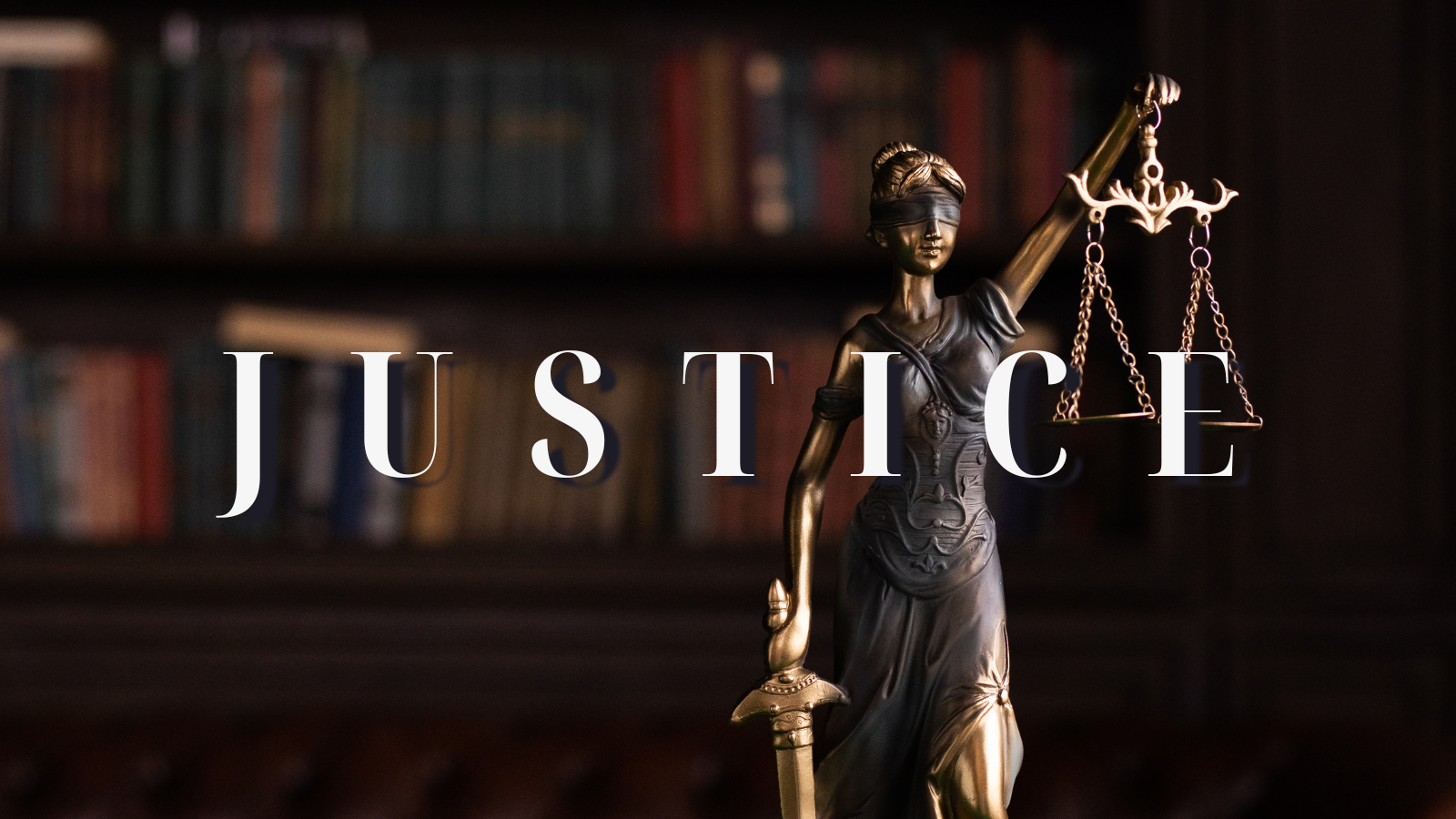
This week’s Torah portion, Parshat Shoftim (Deuteronomy 16:18–21:9), opens with the well-known command:
“You shall appoint judges and officers for your tribes… and they shall judge the people with righteous judgment. You shall not pervert justice. You shall not show favoritism. You shall not take a bribe, for a bribe blinds the eyes of the wise and perverts the words of the righteous. Justice, justice shall you pursue, that you may live and inherit the land that the Lord your God is giving you.” (Deut. 16:18–20)
The repetition of the word justice (tzedek, tzedek tirdof) has always resonated deeply with me. It reminds us that justice is not a one-time act or a lofty ideal — it is something we must actively pursue, over and over again, in our lives and in our communities.
As a survivor of domestic violence, these words carry a very personal meaning. Justice is not always something that comes easily, quickly, or neatly. For many survivors, the systems that are supposed to protect us don’t always feel just. But what I have learned is that tzedek, tzedek tirdof is also a personal charge: it is about reclaiming your voice, honoring your truth, and insisting on dignity and safety even when others may not see the full picture.
This parsha also introduces the concept of the cities of refuge — places where someone who caused accidental harm could flee to find protection until a fair judgment could be reached. On the surface, these cities were about law, but I see another layer: the need for safe spaces. For survivors, safety is not a luxury; it is the foundation from which healing begins. And in our world today, we know how crucial those spaces are — for survivors of violence, for members of the LGBTQ+ community seeking equality, for immigrants searching for safety, security, and dignity, for anyone who has been marginalized or silenced. Sometimes, the greatest act of justice we can pursue is creating refuge for ourselves and for others — spaces where we can breathe, regroup, and eventually rebuild.
And when I look at the world we live in today, the call of Shoftim feels even more urgent. We live in a time of division, fear, and too often, violence. We see injustice in our courts, in our communities, and in the ways vulnerable groups are treated. It can feel overwhelming. But the Torah does not say, “Justice shall be handed to you.” It says, “Justice, justice shall you pursue.” The pursuit is ours.
That means standing up when we see hate directed at the LGBTQ+ community. It means advocating for the safety and dignity of domestic violence survivors. It means welcoming immigrants with compassion instead of suspicion. It means refusing to be silent when we see systems that favor the powerful over the vulnerable.
The Torah reminds us that justice requires integrity, compassion, and persistence. It asks us not only to build fair systems but also to embody justice in our daily lives. For me, that means listening to others’ stories with compassion, standing beside those who feel unheard, and continuing to choose healing over silence.
Tzedek, tzedek tirdof — Justice, justice shall you pursue. May we each have the strength to chase justice, the courage to create safe and compassionate spaces for all who need refuge, and the determination to build a more just world in these challenging times.
For me, this work of pursuing justice is not only a spiritual teaching but a daily practice. Whether I am standing with a couple under the chuppah, guiding a family through a moment of loss, or simply holding space for someone’s story, I strive to create those “cities of refuge” — safe, sacred spaces where people can be heard, honored, and uplifted. This, I believe, is where true justice begins: in how we treat one another, moment by moment, with integrity, compassion, and love.