
October 7 changed my mind about Israelis voting from abroad
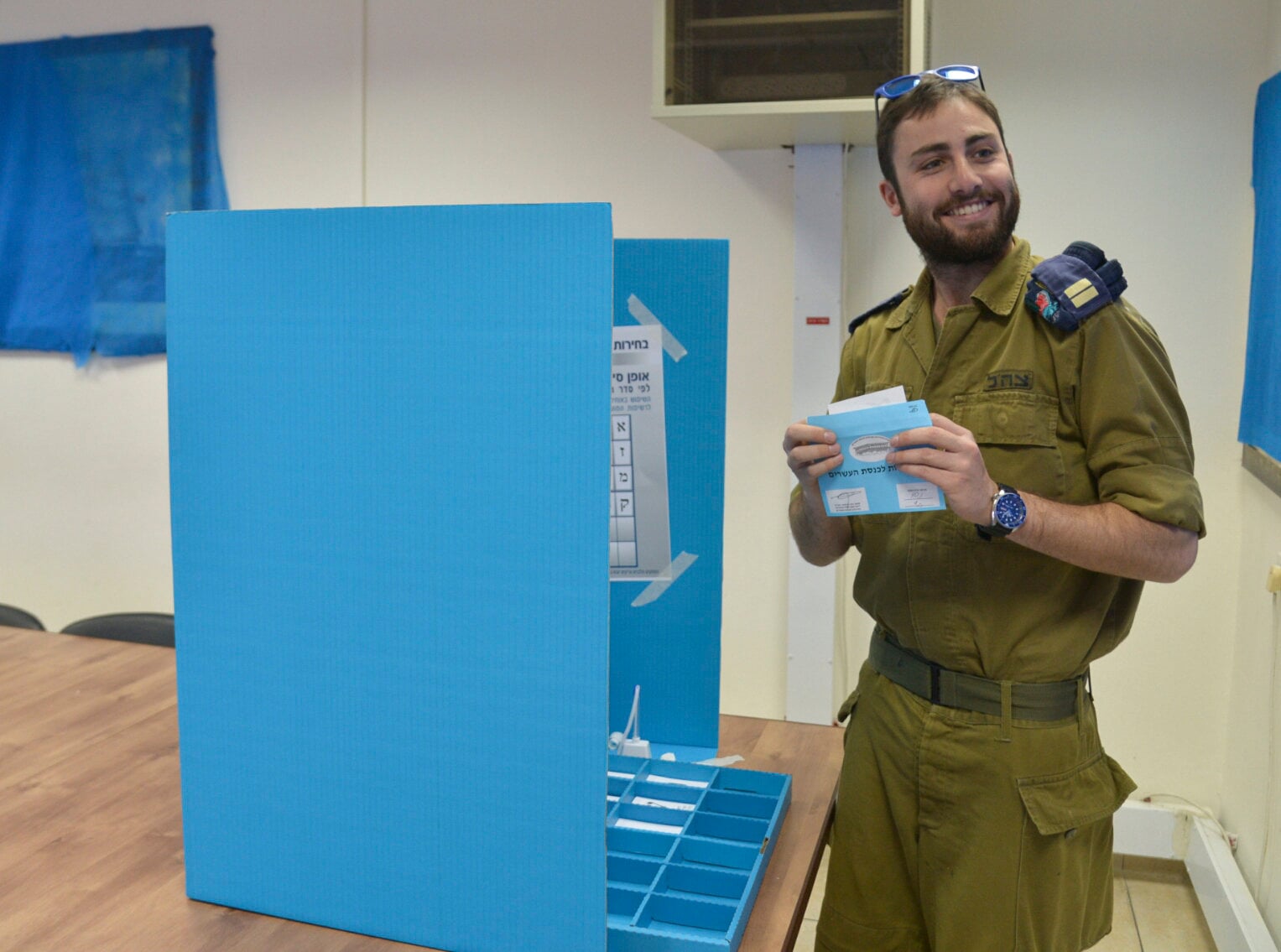
Nick is an Israeli citizen, a senior physician and a surgeon. He has lived in the United States for years. His life is there.
But since October 7, Nick has repeatedly packed a suitcase, boarded a plane, and flown to Israel. Not for a vacation. Not to visit family. He came to serve in the reserves as a doctor alongside IDF units fighting on the front lines.
I had the honor of serving with Nick during one of those reserve deployments. I watched him put on the IDF uniform and serve alongside Israeli soldiers. And it made me ask a simple question: Shouldn’t Nick be able to exercise his right to vote without having to buy yet another plane ticket to Israel?
And what about Israeli parents living in the United States, Canada or Europe whose children are serving as lone soldiers in the IDF? What about Israelis abroad who continue to pay taxes, own homes or businesses in Israel, serve in the reserves, support their families here, and remain deeply connected to the country?
For years, my answer was still no. As an Israeli citizen who spent years living abroad, I believed there should be a simple connection between voting and living with the consequences of your vote. If you choose to build your life outside Israel, I thought, you should have to come back to Israel if you want to participate in its elections.
Technically, Israelis abroad do not lose their right to vote. But in most cases, they can only exercise that right by physically returning to Israel on Election Day.
Until October 7, I thought that was reasonable. I no longer do. October 7 changed the relationship between Israel and Israelis living abroad in ways that are difficult to ignore. Israelis thousands of miles away were called up for reserve duty and flew home. Parents abroad sent their sons and daughters to fight. Jewish and Israeli communities around the world suddenly found themselves dealing with an explosion of antisemitism and hostility.
The line between “living abroad” and “being part of Israel” became much less clear. There is also a deeper question of responsibility. I used to believe that the right to influence Israel’s future should belong primarily to those who bear the consequences of the decisions made here. I still believe in that principle.
But October 7 forced me to ask what “bearing the consequences” actually means. If an Israeli living in New York flies to Israel to serve in Gaza or Lebanon, while another Israeli living in Jerusalem does not serve and does not send his children to serve, is geography really the best measure of who has earned a voice?
I don’t think it is.
Many democracies already allow their citizens abroad to vote. Israel does not have to copy any other country’s model. We can establish our own rules, perhaps based on citizenship, continued ties to Israel, or other reasonable criteria. But the current system also creates a basic inequality: Israelis abroad who can afford an expensive flight can vote. Those who cannot, cannot. The right technically exists for everyone, but in practice, exercising it can depend on the size of your bank account. That should bother us.
I’m not arguing that every Israeli who left the country decades ago should automatically have exactly the same voting arrangements as someone living in Tel Aviv or Sderot. There are legitimate questions about where to draw the line. But those questions are an argument for creating a thoughtful policy, not for refusing to have the conversation.
Today, I believe Israeli citizens who maintain a meaningful connection to this country should have a reasonable way to exercise their right to vote from Israeli embassies and consulates around the world.
Nick shouldn’t have to buy another plane ticket just to cast his ballot.